Chemistry for Sustainability and Future
Introduction to Sustainable Chemistry
Rethinking Chemistry
For a long time, chemistry has had a bit of a public relations problem. We often associate it with pollution, hazardous waste, and industrial accidents. While chemical processes have certainly contributed to environmental issues, they are also essential for solving them. This is where sustainable chemistry comes in.
Sustainable chemistry is a broad approach that aims to improve human health and the environment by using chemistry in a smarter, more responsible way. It challenges chemists to think about the entire lifecycle of a product, from the raw materials used to make it, to its use, and finally to its disposal.
The goal is simple: meet the needs of today without compromising the ability of future generations to meet their own.
The Rules of Green Chemistry
If sustainable chemistry is the overall goal, then green chemistry provides the playbook. It's a set of principles that guide chemists in designing safer, more efficient, and less wasteful products and processes. Think of it as a practical checklist for making chemistry more environmentally friendly.
Green chemistry—the design of chemical products and processes that reduce or eliminate hazardous substances—offers a vital solution.
There are 12 principles of green chemistry, but they can be grouped into a few core ideas. The most important one is prevention. It's better to avoid creating waste in the first place than to clean it up later. Other principles focus on maximizing the use of raw materials, designing less toxic chemicals, and using energy efficiently.
| Core Idea | What It Means |
|---|---|
| Prevent Waste | Design processes so that little to no waste is produced. |
| Maximize Atoms | Ensure most of the starting materials end up in the final product. |
| Design Safer Chemicals | Create products that are effective but have minimal toxicity. |
| Use Renewable Resources | Whenever possible, use raw materials that can be replenished. |
| Increase Energy Efficiency | Run chemical reactions at room temperature and pressure. |
| Design for Degradation | Make products that break down into harmless substances after use. |
Chemistry for a Better World
The principles of sustainable and green chemistry aren't just for the lab. They are powerful tools for addressing some of the world's biggest challenges, outlined in the United Nations Sustainable Development Goals (SDGs). These 17 goals are a blueprint for a more sustainable future for everyone, tackling issues like poverty, clean water, and climate change.
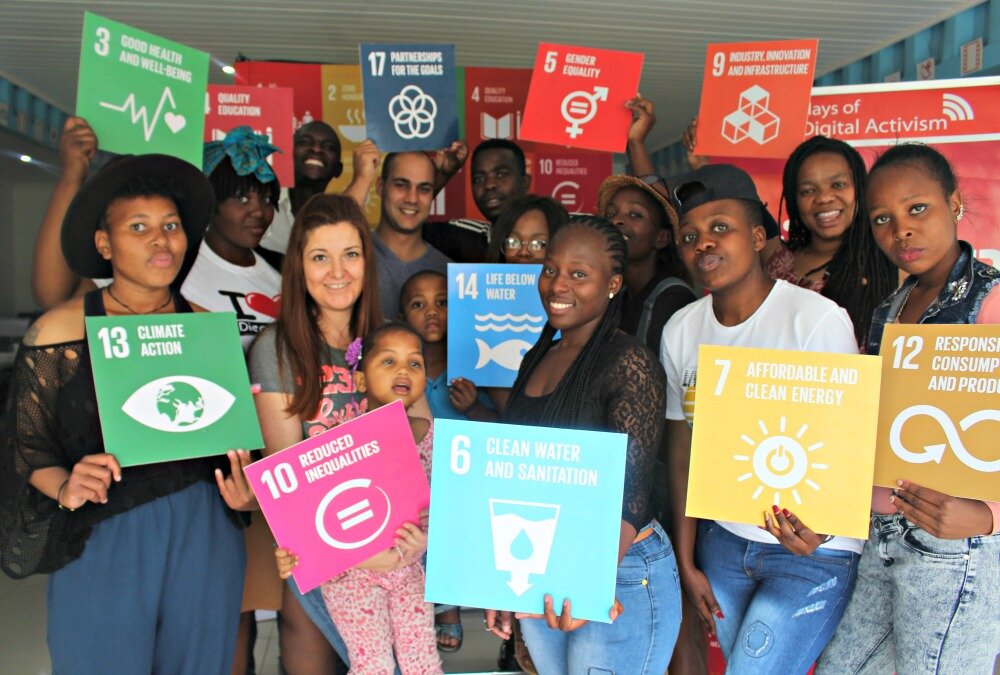
Chemistry is critical to achieving many of these goals. For instance:
-
SDG 6: Clean Water and Sanitation: Chemists are developing new technologies for water purification and desalination, making clean water more accessible.
-
SDG 7: Affordable and Clean Energy: Sustainable chemistry drives the innovation of more efficient solar panels, better batteries for energy storage, and biofuels made from renewable sources.
-
SDG 12: Responsible Consumption and Production: This goal is at the heart of green chemistry. By designing biodegradable plastics, developing safer pesticides, and creating circular economies for materials, chemistry helps us do more with less.
Caring for Our Materials
A key concept that ties all of this together is material stewardship. This is the idea that we have a responsibility to manage materials wisely throughout their entire lifecycle. It means thinking carefully about where our raw materials come from, how we use them, and what happens to them when we're done.
For a chemist, stewardship means choosing abundant, renewable, and non-toxic materials whenever possible. It involves designing products that are durable and easy to repair, reuse, or recycle. By acting as responsible stewards of the elements and compounds we use, we can ensure that these resources remain available for generations to come.
Ready to check your understanding?
What is the primary goal of sustainable chemistry?
How does green chemistry relate to sustainable chemistry?
By embracing these ideas, chemistry transforms from a potential source of environmental problems into a powerful force for creating a healthier and more sustainable world.