Chemistry Concepts Explained
Introduction to Chemistry
What is Chemistry?
Chemistry is the study of matter—everything around you that takes up space and has mass. It explores what things are made of, what their properties are, and how they change and interact with one another.
Think of it like cooking. A chef combines different ingredients (flour, eggs, sugar) to create something new (a cake). A chemist does something similar, but with the fundamental ingredients of the universe. They study how these basic ingredients combine and transform to create everything from the water we drink to the air we breathe and the technology we use.

The Scientific Method
How do scientists figure all this out? They use a process called the scientific method. It’s a systematic way of asking questions and finding answers. While it might sound formal, it’s a logical process you use all the time without realizing it.
Imagine your phone won't charge. You might guess the cable is broken. That's a hypothesis. You test it by trying a different cable. That's an experiment. If the phone charges, your hypothesis was correct. If not, you form a new hypothesis—maybe the outlet is the problem—and test again.
This cycle of observing, hypothesizing, and experimenting is the backbone of all scientific discovery. It ensures that conclusions are based on evidence, not just guesses.
The Building Blocks of Matter
All matter is composed of tiny particles. Understanding them is the key to understanding chemistry.
Atom
noun
The smallest unit of an element that maintains the properties of that element.
Atoms are the fundamental building blocks of everything. Imagine them as incredibly tiny LEGO bricks. Just as there are different kinds of LEGO bricks, there are different kinds of atoms.
Element
noun
A pure substance consisting of only one type of atom.
There are over 100 known elements, like oxygen, carbon, iron, and gold. Each one is unique. An atom of gold is different from an atom of oxygen. The periodic table is a chart that organizes all the known elements.
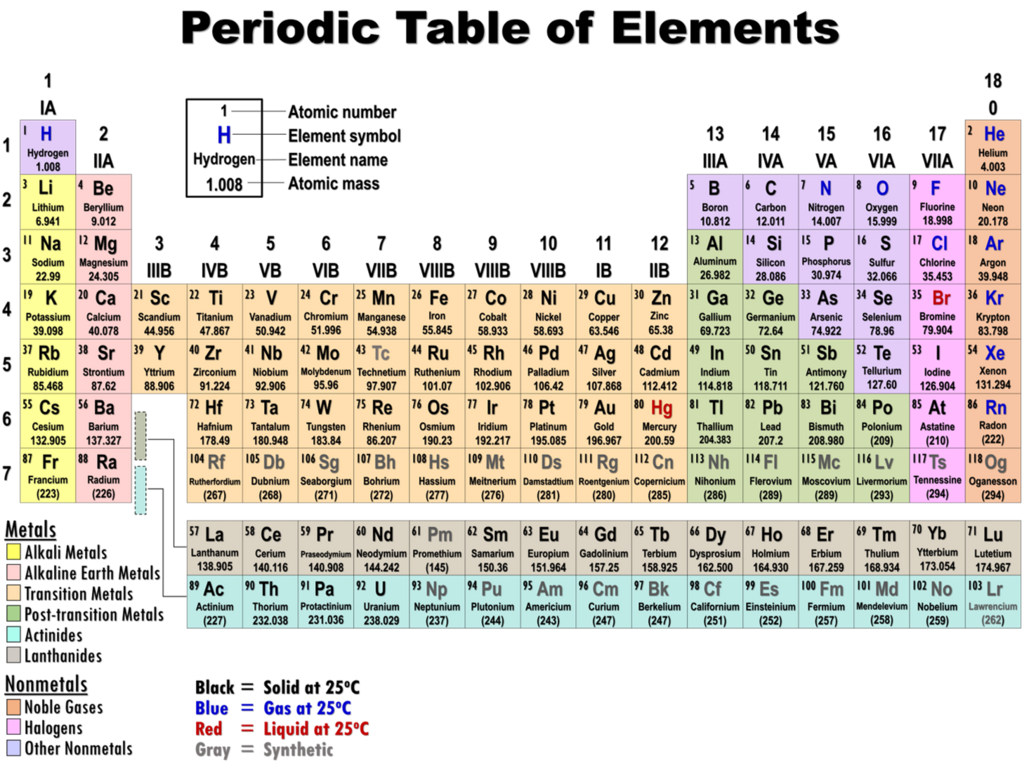
When different types of atoms join together, they form compounds.
Compound
noun
A substance formed when two or more different elements are chemically bonded together.
For example, water is a compound. A single particle of water, called a molecule, is made of two hydrogen atoms bonded to one oxygen atom. Its chemical formula shows this relationship.
A compound has properties that are completely different from its constituent elements. For instance, hydrogen and oxygen are both gases at room temperature, but when combined, they form liquid water.
States and Properties of Matter
We encounter matter in different forms, or states. The three most common states are solid, liquid, and gas. The state of a substance depends on how its particles are arranged and how much they move.
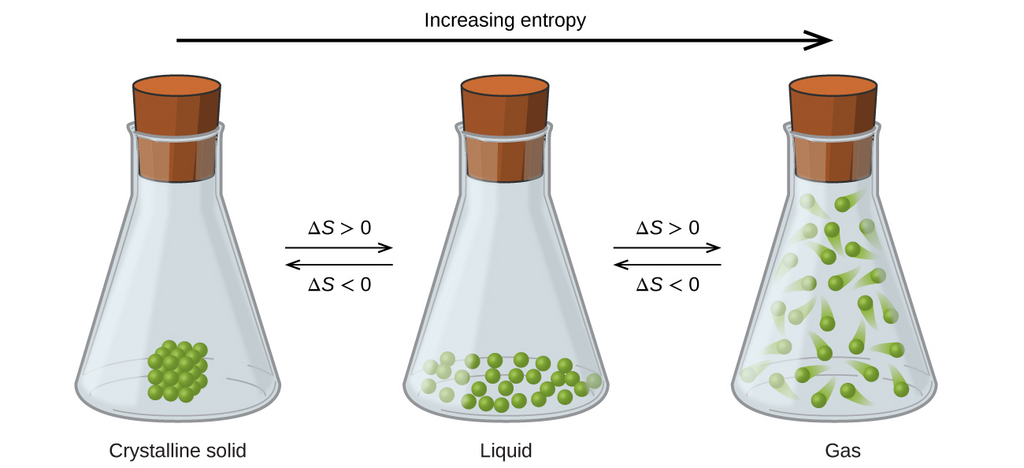
To describe matter, chemists look at its properties. These fall into two main categories: physical and chemical.
Physical properties are characteristics you can observe or measure without changing the substance's identity. Think of color, density, melting point, and hardness. A gold bar is yellow and dense whether it's a solid bar or melted into a liquid.
Chemical properties describe how a substance can change into a new substance. For example, flammability is a chemical property of wood. You can only observe it by burning the wood, which changes it into ash, carbon dioxide, and water. Rusting is another example—it's a chemical property of iron that describes its tendency to react with oxygen.
Understanding these fundamental ideas sets the stage for exploring the fascinating world of chemical reactions and the transformations of matter.