Chemical Weapons Convention Compliance for Chemical Plants
Introduction to the Chemical Weapons Convention
A Global Ban on Chemical Weapons
The Chemical Weapons Convention, or CWC, is a landmark international agreement. Its goal is simple and ambitious: to completely eliminate an entire category of weapons of mass destruction. Countries that join the CWC publicly agree to never develop, produce, stockpile, or use chemical weapons. They also pledge to destroy any chemical weapons they might possess.
This treaty is one of the most successful disarmament agreements in history. An overwhelming majority of countries have signed and ratified it, making its rules part of international law. The convention doesn't just look at weapons; it also monitors the chemicals that could be used to create them.
Chemical Weapon
noun
Any toxic chemical and its precursors, except when intended for purposes not prohibited by the CWC, as long as the types and quantities are consistent with such purposes. This also includes munitions and devices specifically designed to cause death or other harm through the toxic properties of those chemicals.
A Long Road to Disarmament
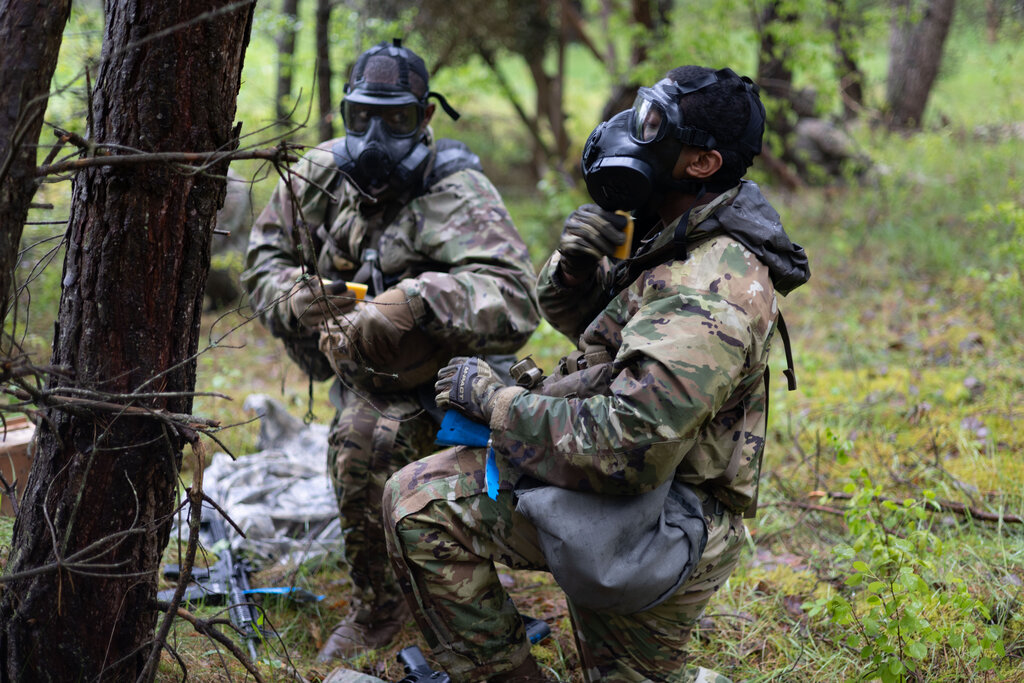
The push for a ban on chemical weapons grew from the horrific experiences of World War I. The widespread use of chlorine, phosgene, and mustard gas caused more than a million casualties and demonstrated the indiscriminate cruelty of this type of warfare.
An early attempt to control these weapons was the 1925 Geneva Protocol, which banned their use in war. However, it didn't prohibit countries from producing or stockpiling them. Many nations kept large reserves for retaliation, creating a constant, simmering threat. It took decades of negotiation to create a more comprehensive ban. The CWC was finally adopted in 1993 and officially entered into force on April 29, 1997.
The Global Watchdog
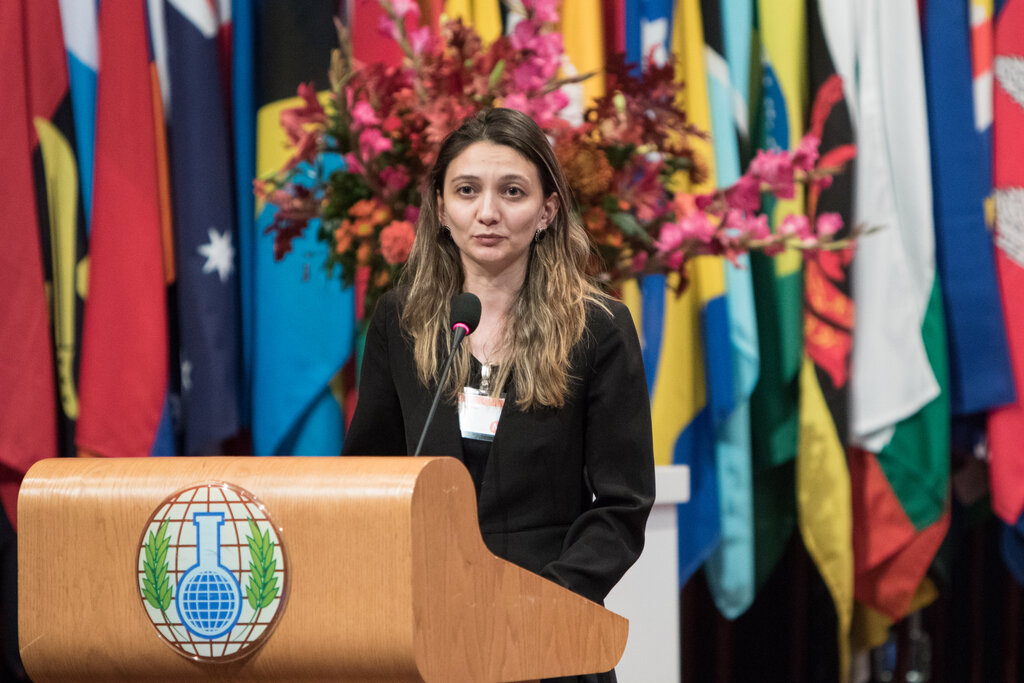
To make sure the treaty's rules are followed, the CWC established an independent, international organization: the Organization for the Prohibition of Chemical Weapons (OPCW), based in The Hague, Netherlands.
The OPCW acts as the global watchdog for the convention. Its primary roles include:
- Verifying destruction: OPCW inspectors witness and confirm the irreversible destruction of all declared chemical weapon stockpiles.
- Preventing re-emergence: They conduct routine inspections of chemical industrial facilities to ensure that toxic chemicals are not being diverted for prohibited purposes.
- Providing assistance: The OPCW can help countries protect themselves against chemical threats and offers a forum for international cooperation on peaceful chemistry.
Why It Matters for Industry
The CWC isn't just about military stockpiles. It also has significant relevance for the global chemical industry. Many chemicals that are essential for manufacturing everyday products—like plastics, fertilizers, pesticides, and pharmaceuticals—are considered "dual-use." This means that while they have legitimate, peaceful applications, they can also be used as precursors for making chemical weapons.
The treaty's goal is not to hinder economic or technological development, but to build confidence and transparency so that chemistry is used exclusively for the benefit of humankind.
Because of this dual-use nature, chemical manufacturing facilities that produce, process, or consume certain chemicals above specific quantity thresholds are subject to declarations and inspections by the OPCW. Understanding the CWC and its requirements is crucial for these companies to ensure they are operating in compliance with international law and contributing to a safer world, free of chemical weapons.
What is the primary and most ambitious goal of the Chemical Weapons Convention (CWC)?
What key limitation of the 1925 Geneva Protocol did the Chemical Weapons Convention successfully address?