Chemical Kinetics Explained
Introduction to Chemical Kinetics
The Need for Speed
Some chemical reactions are explosive, over in an instant. Others, like the rusting of an iron fence, take years. The study of why this happens—why some reactions are fast and others are slow—is called chemical kinetics.
At its heart, chemical kinetics is about the reaction rate. This is simply a measure of how quickly a reaction occurs. We can think of it as the change in the concentration of a reactant or a product over a certain period. For example, how many molecules of rust form on that fence per day?
Reaction Rate = (Change in Concentration) / (Change in Time)
The units for reaction rate are typically moles per liter per second, or . It’s the chemistry equivalent of measuring speed in miles per hour. Instead of distance over time, it’s concentration over time.
Kinetics vs. Thermodynamics
It’s easy to confuse kinetics with another big idea in chemistry: thermodynamics. They both describe reactions, but they answer different questions.
Thermodynamics tells us if a reaction is possible at all. It deals with stability, energy, and equilibrium. It might predict that a diamond will eventually turn into graphite because graphite is the more stable form of carbon. But it won't tell you how long it will take.
Kinetics, on the other hand, tells us how fast that reaction will happen. In the case of a diamond, the reaction is so incredibly slow that you'll never see it happen. Kinetics explains the path from reactants to products, while thermodynamics only cares about the start and end points.
| Question | Field |
|---|---|
| Will this reaction happen? | Thermodynamics |
| How much energy will be released? | Thermodynamics |
| How fast will this reaction happen? | Kinetics |
| What factors will change the speed? | Kinetics |
Why Kinetics Matters
Understanding reaction rates is crucial in many fields. In manufacturing, chemists need to speed up the production of useful substances like plastics or fertilizers. The famous Haber-Bosch process, which produces ammonia for fertilizers, was optimized by finding the right conditions to make the reaction happen at a practical rate.
In environmental science, kinetics helps us understand processes like the depletion of the ozone layer or the breakdown of pollutants in the atmosphere. The rates of these reactions determine their impact on our planet.
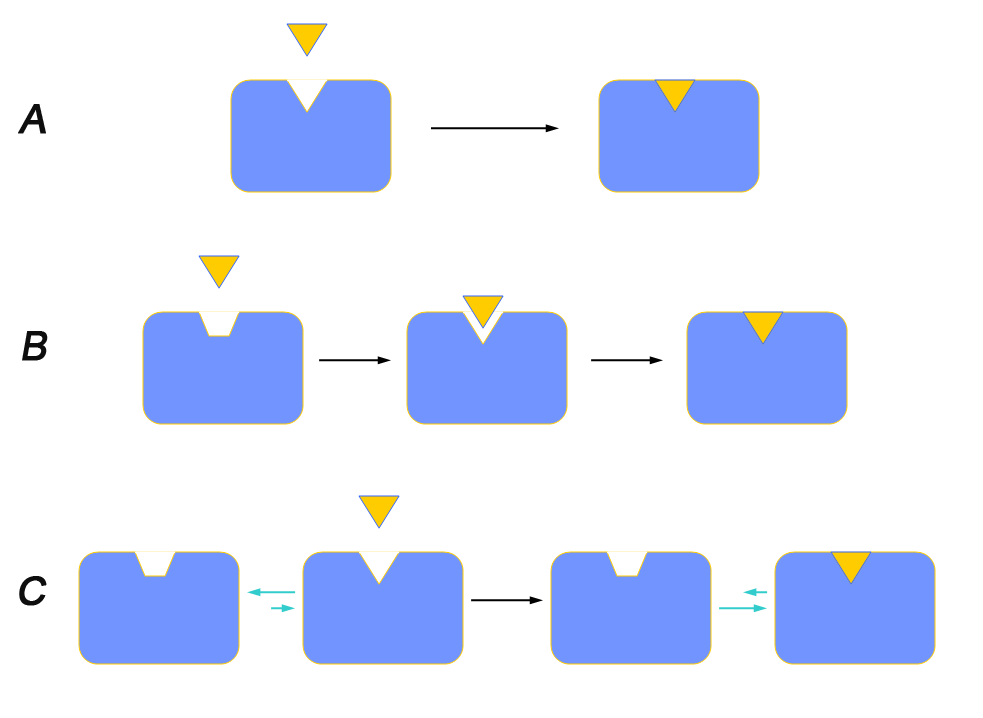
Kinetics is also fundamental to life itself. Your body relies on enzymes, which are biological catalysts. They speed up the chemical reactions needed for everything from digesting food to sending nerve signals. Without them, these essential reactions would happen too slowly to sustain life. The way an enzyme binds to a substrate to speed up a reaction is a classic example of kinetics in action.
So, while thermodynamics tells us what's possible, kinetics tells us what's practical. It's the study of time and change in the chemical world.
What is the primary focus of chemical kinetics?
Thermodynamics predicts that a diamond will eventually convert to graphite. What does kinetics tell us about this process?