Chatrapati Shivaji Maharaj The Maratha Warrior King
Early Life and Influences
The Making of a King
In the 17th century, the Indian subcontinent was a complex tapestry of power. The mighty Mughal Empire dominated the north, while the Deccan plateau, in the west, was controlled by the powerful Sultanates of Bijapur and Golconda. Local Maratha chieftains and warriors often served these larger powers, gaining influence and land but remaining vassals.
Into this world, on February 19, 1630, a child was born in the hill-fort of Shivneri. His name was Shivaji Bhosale. His father, Shahaji Bhosale, was a high-ranking Maratha general who served the Deccan Sultanates. His mother, Jijabai, was the daughter of a nobleman and a woman of immense piety and determination. While Shahaji was often away on military campaigns, Jijabai became the central figure in her son's life, raising him with a vision that would challenge the established order.
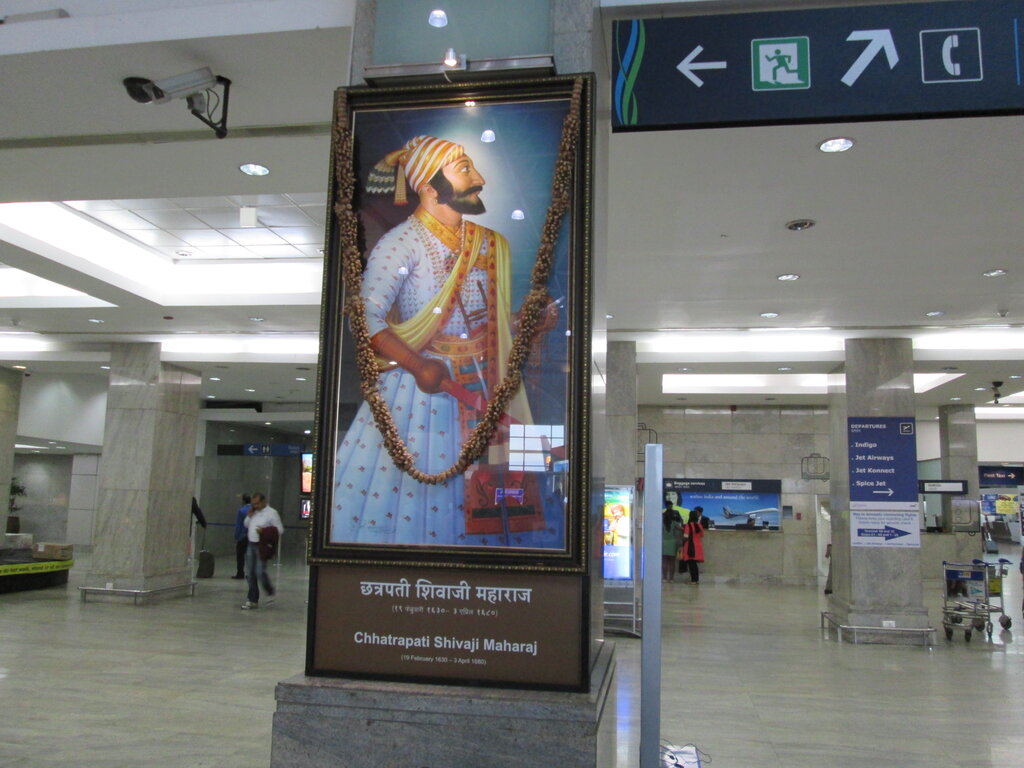
A Mother's Vision
Jijabai was more than a mother to Shivaji; she was his first teacher and his guiding star. Deeply religious and fiercely independent, she refused to accept the subservient status of her people. She filled young Shivaji’s mind with stories from the great Hindu epics, the Ramayana and the Mahabharata. Through these tales of heroes, duty, and justice, she instilled in him a powerful moral compass.
She taught him about his own lineage, nurturing a sense of self-respect and pride in his heritage. Living in the Pune region, away from the direct influence of the Bijapur court, Jijabai created an environment where Shivaji could grow up with a deep love for his land and an understanding of its people. Her dream was of Swaraj, or self-rule, a kingdom where people could live with dignity, free from foreign domination.
Jijabai, Shivaji’s mother, played a pivotal role in shaping his character and vision.
A Practical Education
While Jijabai molded Shivaji's character, his formal education was overseen by Dadoji Konddeo, a loyal and able administrator appointed by Shahaji to manage the family's land grant, or jagir, in Pune. Dadoji was a skilled administrator and a strict disciplinarian.
He taught Shivaji the arts of governance, finance, and law. He also trained him in the practical skills of warfare: horsemanship, swordsmanship, and archery. Under Dadoji's tutelage, Shivaji learned to manage land, dispense justice, and lead men. This practical training gave him the tools to turn his mother's vision of Swaraj into a tangible reality.
Swaraj
noun
Self-rule or independence. For Shivaji, it meant establishing a sovereign state for the Maratha people, free from the control of the Mughals and Deccan Sultanates.
This dual upbringing was unique. Jijabai provided the 'why'—the moral and spiritual purpose for his life's mission. Dadoji Konddeo provided the 'how'—the administrative and military skills needed to achieve it. Together, they forged a leader who was both a visionary and a pragmatist.
Surrounded by the rugged hills and valleys of the Sahyadri mountains, Shivaji also bonded with the local youths, known as the Mavalas. They were hardy, loyal, and knew the land intimately. They became his first followers and the bedrock of his future army. With the ideals of his mother in his heart and the skills from his tutor in his hands, a young Shivaji stood ready to carve out a new destiny for his people.
At the time of Shivaji's birth in the 17th century, which power dominated northern India?
What was the central ideal of Swaraj that Shivaji's mother, Jijabai, instilled in him?