ChatGPT vs Other LLMs Explained
Introduction to Large Language Models
What Are Large Language Models?
A large language model, or LLM, is a type of artificial intelligence designed to understand and generate human-like text. Think of it as a sophisticated pattern-matching system. It has been trained on a massive amount of text data from the internet, books, and other sources. By analyzing this data, it learns the relationships between words, sentences, and ideas.
This allows it to perform a wide range of tasks, from answering questions and summarizing long documents to writing emails and even creating computer code. The “large” in the name refers to two things: the enormous size of the dataset it was trained on and the huge number of parameters, or internal variables, the model uses to make predictions.
Large Language Model
noun
An artificial intelligence model trained on vast amounts of text data to understand, generate, and respond to human language.
A Brief History
The idea of teaching computers to understand language isn't new. Early attempts in the mid-20th century were based on strict rules of grammar. These systems were brittle and couldn't handle the messy, unpredictable nature of human language. If you've ever used an old automated phone system that couldn't understand you, you've experienced the limitations of this approach.
The shift toward modern LLMs began with statistical methods. Instead of hard-coded rules, models started learning from data, calculating the probability of one word following another. This was a major step forward. The real breakthrough, however, came with the development of a new architecture called the Transformer in 2017. This design allowed models to process text more efficiently and understand the context of words in a sentence much more effectively.
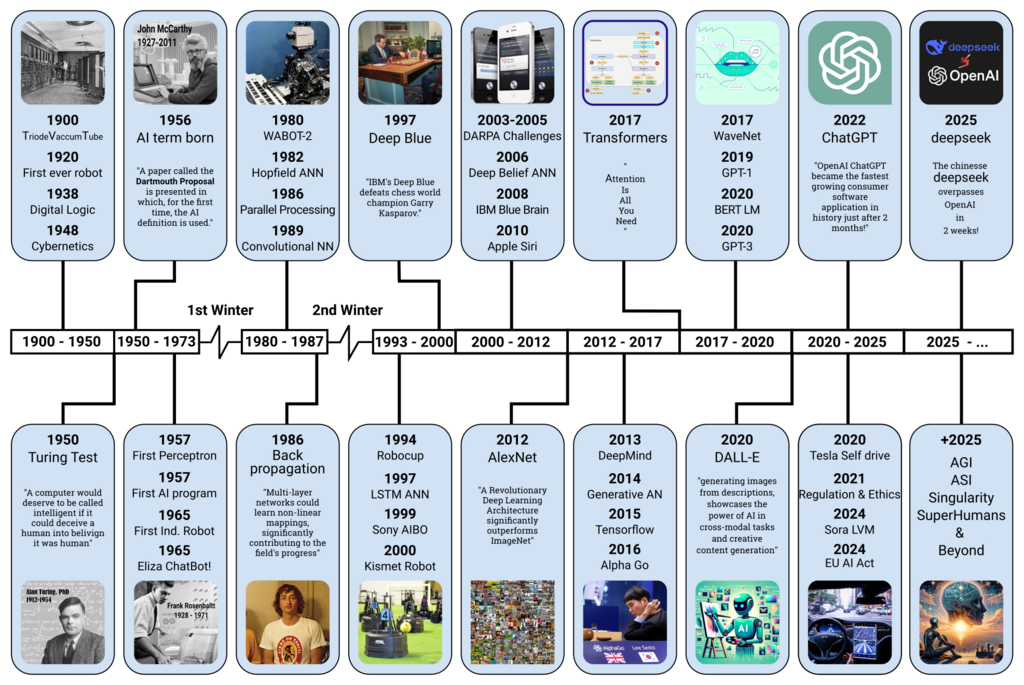
This innovation, combined with access to more powerful computers and bigger datasets, paved the way for models like OpenAI's GPT series, which dramatically increased the capabilities of AI in natural language tasks.
What Are They Used For?
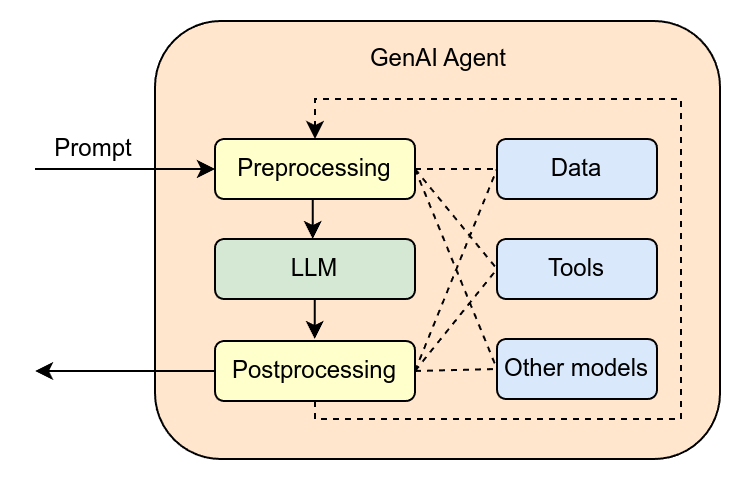
LLMs are incredibly versatile and have found their way into many applications we use every day. They are the technology behind advanced chatbots, search engines that provide direct answers, and tools that can write marketing copy or creative stories.
Common applications include content creation, information synthesis (summarizing), and conversational AI like customer support bots.
Developers use them to help write and debug code. Researchers use them to analyze large volumes of scientific papers, and businesses use them to understand customer feedback. They can translate languages with impressive accuracy and even help create personalized educational materials. Essentially, any task that involves understanding or generating text can be enhanced by an LLM.
Now that you have a foundational understanding, let's test your knowledge.
What is the primary function of a large language model (LLM)?
According to the text, what does the 'large' in Large Language Model primarily refer to?
This is just the beginning. The capabilities of these models are constantly evolving, changing how we interact with information and technology.