ChatGPT Prompt Engineering
Introduction to ChatGPT
Meet ChatGPT
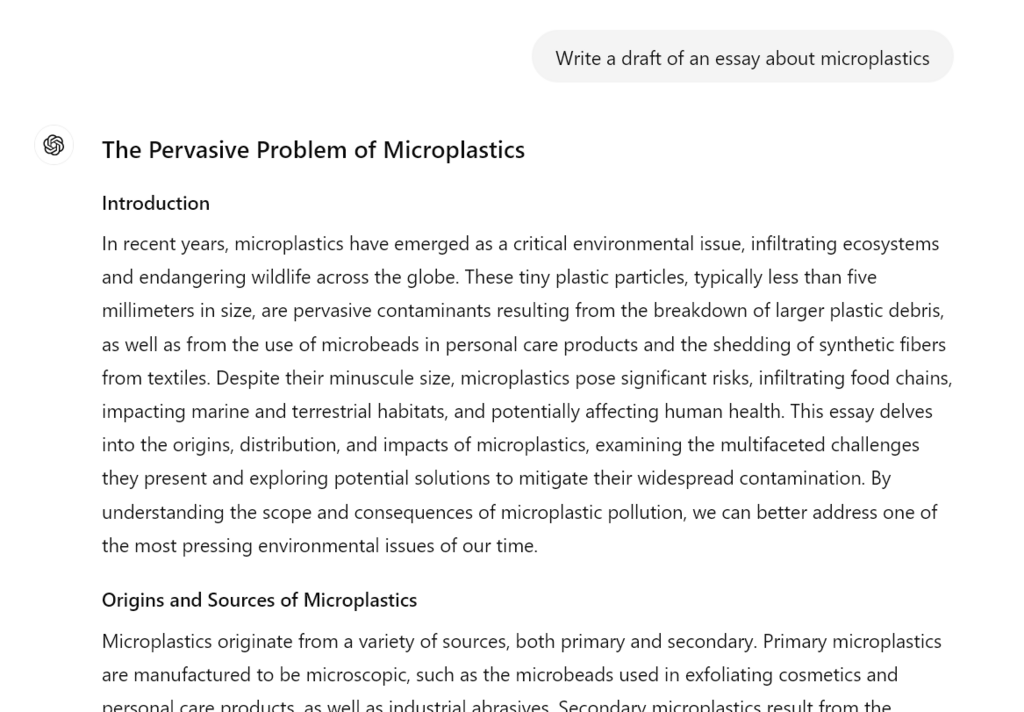
ChatGPT is a powerful AI tool created by a company called OpenAI. At its core, it's a chatbot. You type in a question or a request—called a prompt—and it types back a response. But it's far more advanced than the simple chatbots you might have encountered before. It can write essays, create poems, debug computer code, and even explain complex scientific concepts in simple terms.
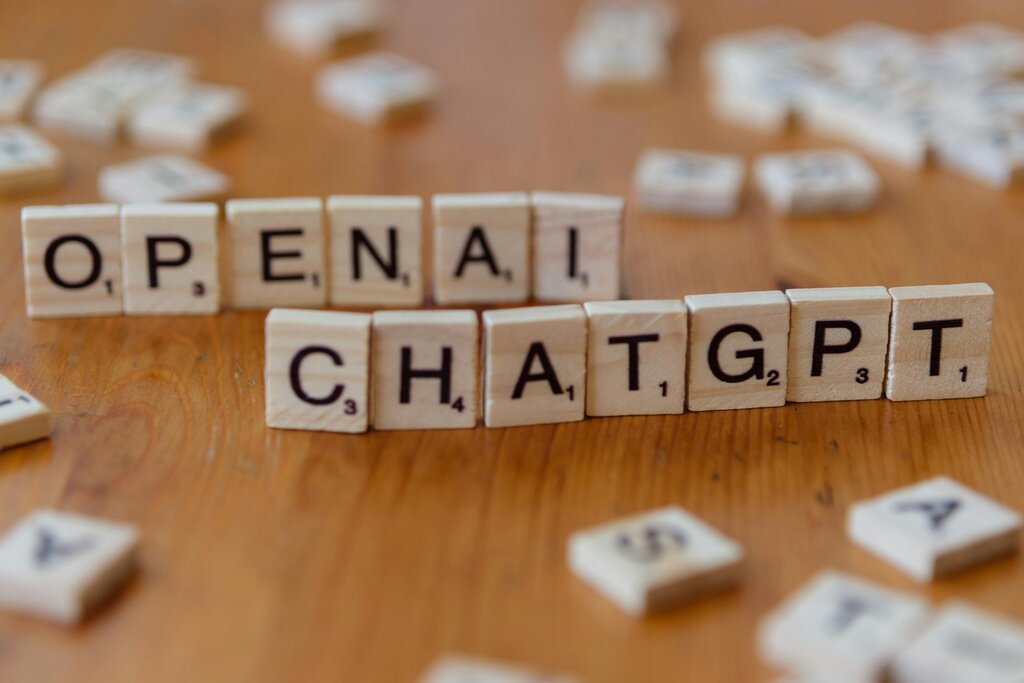
The technology that powers ChatGPT is a Large Language Model, or LLM. Think of an LLM as a massive brain that has been trained on an incredible amount of text and data from the internet. This training allows it to understand grammar, context, facts, reasoning, and different styles of writing.
Prompt
noun
The input, question, or instruction you give to an AI model like ChatGPT to get a response.
What It Can Do
ChatGPT is incredibly versatile. Its main ability is generating text that sounds like it was written by a human. This opens up a huge range of possibilities. People use it for brainstorming ideas, summarizing long articles, translating languages, and helping with homework. It can act as a creative partner for writers or a coding assistant for programmers.
ChatGPT is a specific application of OpenAI's Generative Pre-trained Transformer (GPT) models, fine-tuned for conversational dialogue.
Here are just a few examples of what you can ask ChatGPT to do.
| Category | Example Prompt |
|---|---|
| Creative Writing | "Write a short story about a detective who is also a ghost." |
| Information | "Explain the theory of relativity like I'm ten years old." |
| Practical Help | "Draft a professional email asking for a deadline extension." |
| Coding | "How do I write a 'for loop' in Python?" |
How It Thinks
So how does it actually work? ChatGPT doesn't "think" or "understand" in the human sense. Instead, it's a sophisticated pattern-matching system. When you give it a prompt, it analyzes your words and then predicts the most probable sequence of words to form a coherent response. It generates the answer one word at a time, with each new word being its best guess for what should come next based on the patterns it learned during its training.
Because it relies on patterns from its training data, ChatGPT doesn't have personal beliefs or consciousness. It's simply reflecting the vast information it was trained on. This is a key point to remember: while its responses can be incredibly accurate and helpful, they are generated based on probability, not true understanding.
What is the core technology that powers ChatGPT?
How does ChatGPT actually generate its responses?
Understanding these basics is the first step. You're now ready to start thinking about how to give the model the right kind of instructions to get the results you want.