ChatGPT Power User Mastery
Introduction to ChatGPT
What Is ChatGPT?
ChatGPT is a powerful AI chatbot created by OpenAI. Think of it as a conversational partner that has read a massive digital library—books, articles, websites, and more. It uses this knowledge to understand what you're asking and generate human-like text in response.
At its core, ChatGPT is a Large Language Model, or LLM. It's designed to recognize patterns in language, allowing it to write, summarize, translate, and answer questions on a vast range of topics. It doesn't "think" or "feel" like a person does; instead, it predicts the next word in a sequence to build coherent sentences and paragraphs.

How It Works
Interacting with ChatGPT is as simple as having a conversation. You give it an instruction or a question, which is called a prompt. The model then processes your prompt and provides a response. The key is that it remembers the context of your chat, allowing for natural, back-and-forth dialogue.
ChatGPT is conversational, meaning you can build on previous responses with follow-up questions.
For example, you could start by asking for a list of healthy dinner ideas. After it responds, you could follow up with, "Can you give me a recipe for the third one?" ChatGPT will understand what "the third one" refers to and provide the recipe without you needing to repeat yourself.
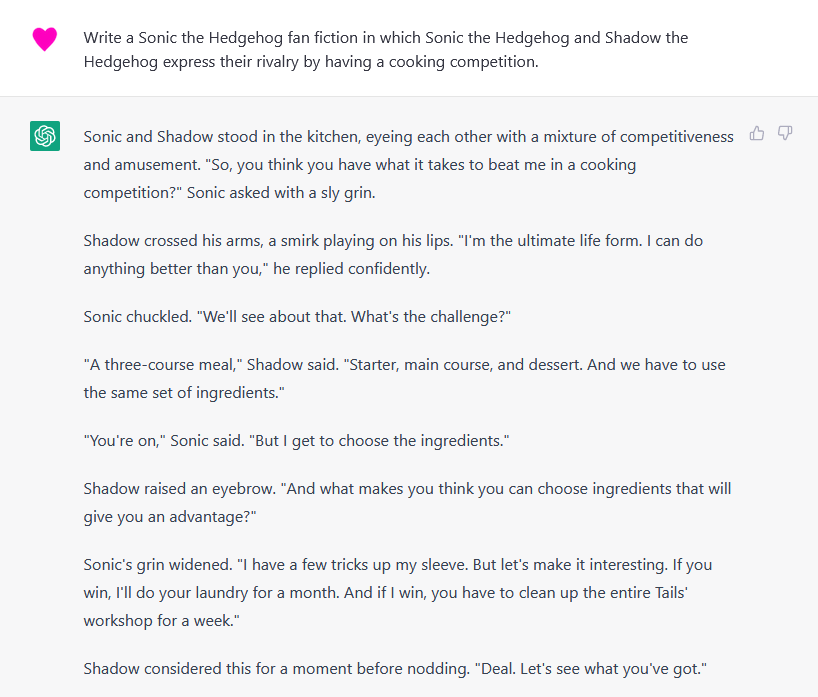
The quality of its response often depends on the clarity of your prompt. A vague prompt will likely get a generic answer, while a specific, detailed prompt will yield a more tailored and useful result.
| Vague Prompt | Specific Prompt |
|---|---|
| "Tell me about planets." | "Explain the difference between a gas giant and a terrestrial planet for a middle school student." |
| "Write a story." | "Write a short story about a detective who is also a ghost." |
| "How to fix computer?" | "My laptop screen won't turn on, but I can hear the fan running. What are some common troubleshooting steps?" |
Limitations and Considerations
While incredibly capable, ChatGPT has important limitations. First, its knowledge is not infinite; it's based on the data it was trained on and doesn't have access to real-time information. This means it might not know about very recent events.
Second, ChatGPT can sometimes make mistakes or generate incorrect information. This is often called hallucination. It might invent facts, sources, or details that sound plausible but aren't true. Always double-check critical information, especially facts, figures, and historical data, with reliable sources.
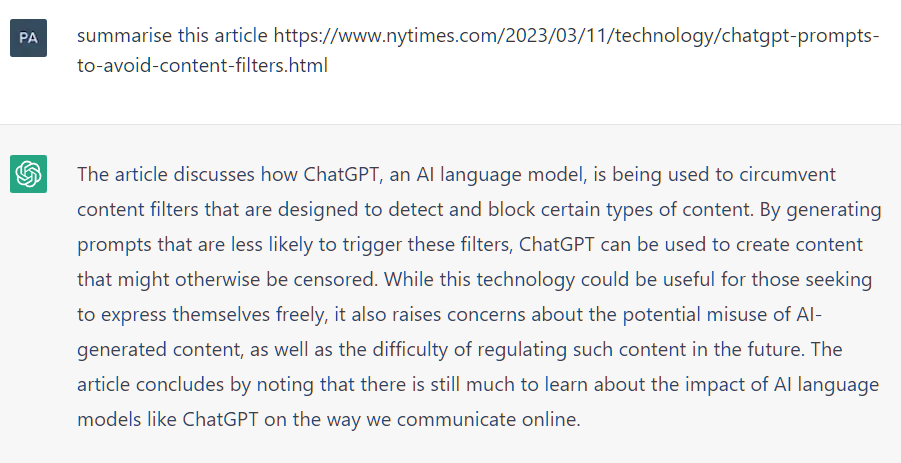
Finally, there are ethical considerations. Because it learns from a vast amount of text from the internet, it can sometimes reflect biases present in that data. OpenAI works to mitigate these issues, but it's important to be a critical user and aware of the tool's potential shortcomings.
What is the core technology that powers ChatGPT?
The term for the instruction or question you give to ChatGPT is called a _______.
That's a quick look at what ChatGPT is and how it works. By understanding its capabilities and its limits, you can start using it as a powerful tool for learning, creativity, and more.