ChatGPT Mastery for Productivity
Introduction to ChatGPT
What Is ChatGPT?
ChatGPT is an AI chatbot created by a company called OpenAI. Think of it as a conversation partner that can understand and generate text that sounds surprisingly human. You can ask it questions, have it write a story, summarize a long article, or even help you brainstorm ideas.
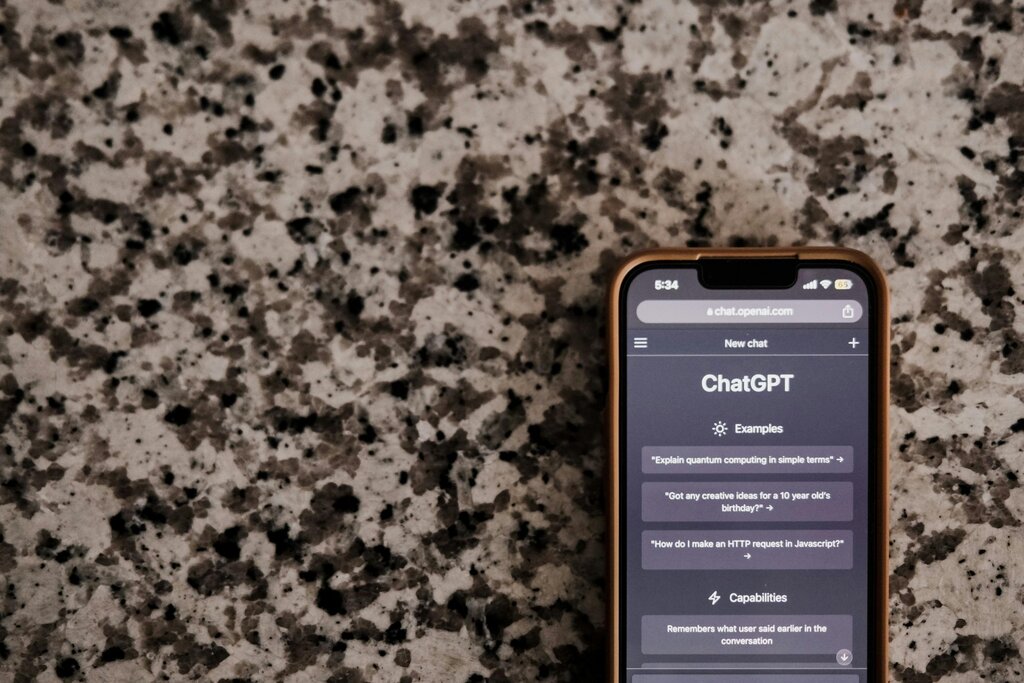
It’s designed to be versatile. Instead of being programmed for one specific task, like a calculator or a weather app, ChatGPT uses its training to handle a wide range of requests in a conversational way. This flexibility is what makes it so powerful and popular.
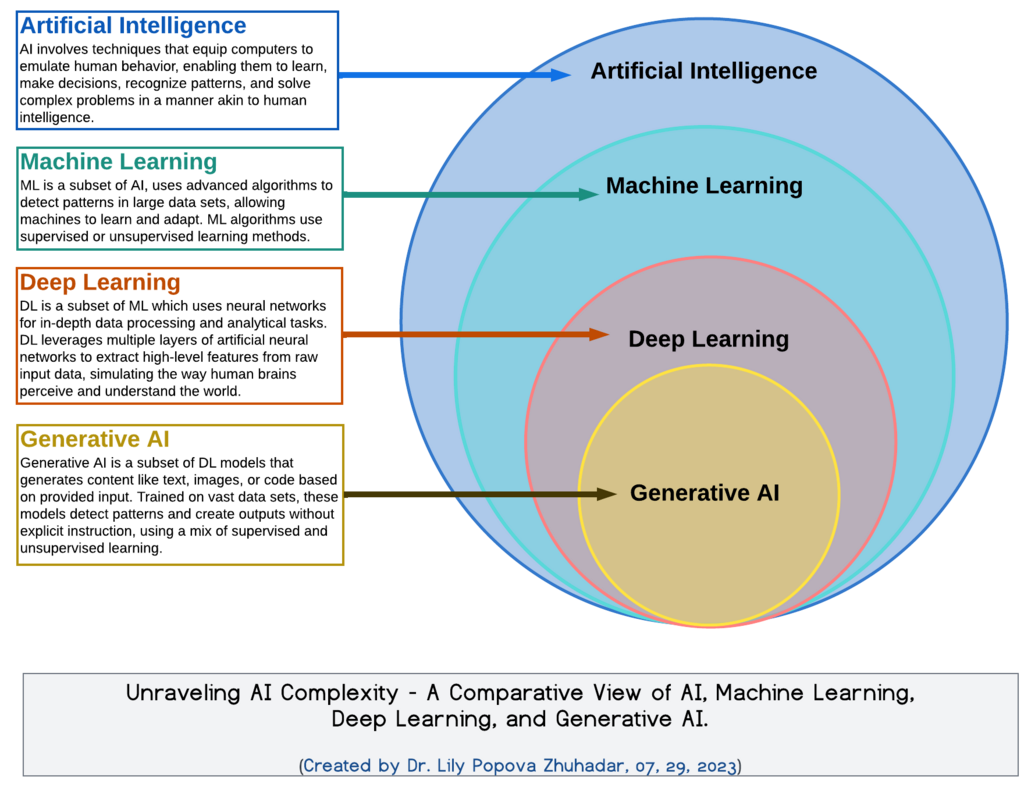
ChatGPT is an artificial intelligence (AI) chatbot built on top of OpenAI's foundational large language models (LLMs) like GPT-4 and its predecessors.
The Engine Inside: GPT
The technology that powers ChatGPT is called a Generative Pre-trained Transformer, or GPT for short. It's a type of large language model (LLM). Let's break down what each part of that name means.
Generative: It can create, or generate, new content—like text, code, or images—that didn't exist before. It's not just repeating information it has seen; it's combining patterns to form something original.
Pre-trained: Before you ever type a prompt, the model has already been trained on a massive amount of data from the internet. This pre-training process teaches it grammar, facts, reasoning abilities, and different styles of writing. It learns the patterns of language, much like how we learn to talk by listening to others.
Transformer: This is the key architectural innovation. A transformer is a type of neural network that's exceptionally good at understanding context. It weighs the importance of different words in a sentence, allowing it to grasp meaning and nuance far better than older models.
Imagine building with LEGOs. "Pre-trained" means you've spent years learning how all the bricks connect. "Generative" means you can now build a brand-new castle from scratch. The "Transformer" is your ability to understand that a certain blue brick is more important for the tower, while a small flat piece is crucial for the walkway.
From Text to Everything
When ChatGPT first launched, it was primarily a text expert. It could write emails, compose poems, and answer complex questions. But its abilities have grown significantly since then.
Modern versions of ChatGPT can now process more than just words. You can give them an image and ask questions about it. For instance, you could upload a picture of the inside of your refrigerator and ask for a recipe based on the ingredients you have. The AI can "see" the items and generate a relevant response.
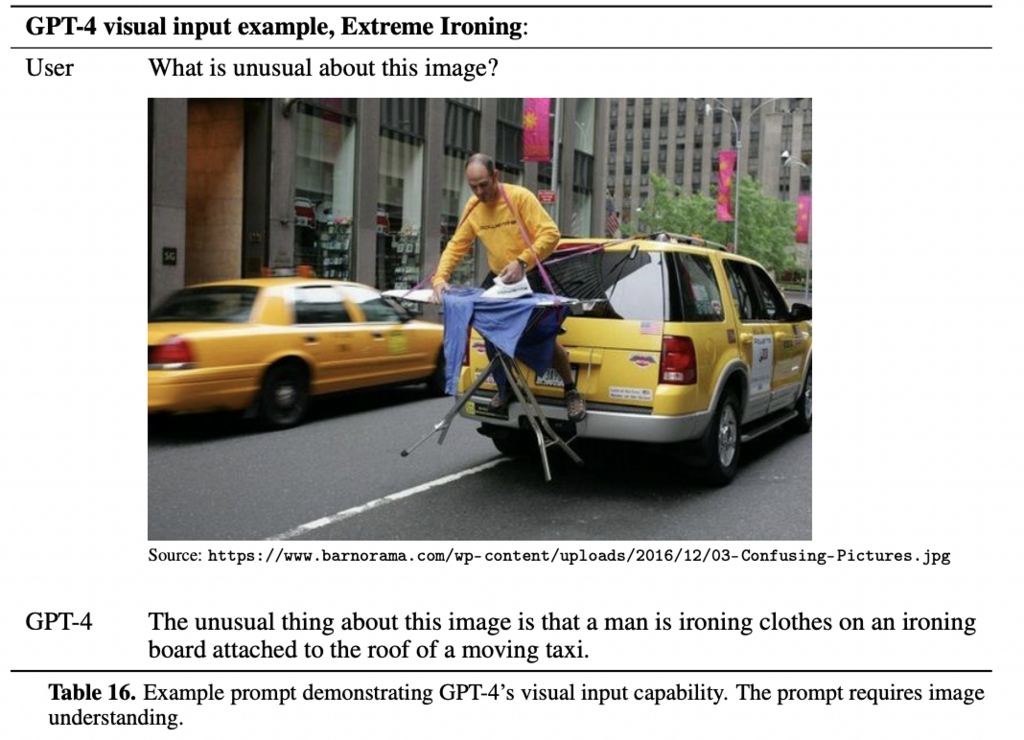
The model can also process audio. You can speak your prompts directly to the app and listen to its responses in a natural-sounding voice. This evolution from a text-only tool to a multi-modal assistant makes it more versatile, capable of handling a much wider array of tasks.
A Quick History
ChatGPT didn't appear overnight. It's the result of years of research and development by OpenAI, built on a series of increasingly powerful GPT models. Each new version became significantly better at understanding and generating language.
The public release of ChatGPT in late 2022, powered by a model from the GPT-3.5 series, was a milestone. It made this powerful technology accessible to millions of people for the first time. Since then, OpenAI has released even more capable models.
| Model Version | Key Characteristic |
|---|---|
| GPT-3 | Showed incredible text generation abilities, setting a new standard for LLMs. |
| GPT-3.5 | Fine-tuned for dialogue; the model that powered the initial public release of ChatGPT. |
| GPT-4 | A major leap forward, introducing multi-modal capabilities (text and image input). |
| GPT-4o | Optimized for speed and real-time voice and vision interactions. |
This rapid evolution is a core part of the AI landscape. Each new model builds upon the last, expanding what's possible and integrating more deeply into our digital tools.
Now, let's test your understanding of these core concepts.
What does the 'G' in GPT, the technology behind ChatGPT, stand for?
Which statement best describes the 'Pre-trained' aspect of a Large Language Model like ChatGPT?