ChatGPT for Professionals
Introduction to ChatGPT
What is ChatGPT?
ChatGPT is a conversational AI created by OpenAI. Think of it as an incredibly versatile assistant. You can ask it questions, and it will give you answers in a clear, human-like way. It's designed to understand and respond to you as if you were talking to a person.
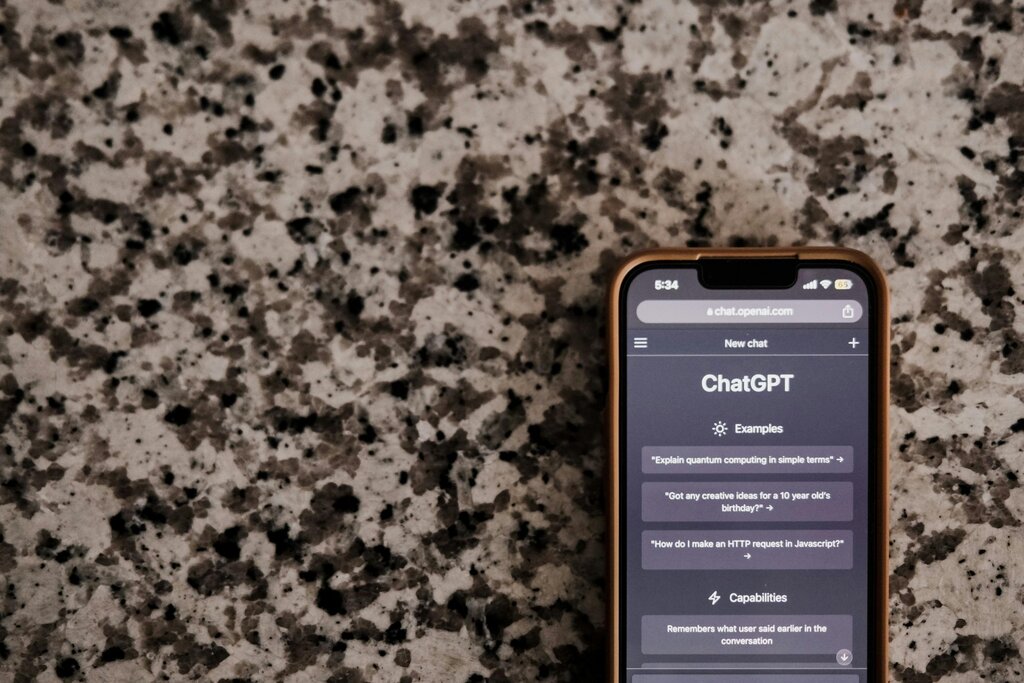
Its core capabilities are broad. It can:
- Answer questions on almost any topic.
- Draft content like emails, essays, and articles.
- Provide creative suggestions, from brainstorming story ideas to planning a trip.
- Solve problems by explaining complex topics or walking through logical steps.
- Translate languages and even help with learning them.
Essentially, you give it a text instruction, called a prompt, and it generates a response based on what you asked.
The Technology Behind the Chat
ChatGPT is powered by a technology called a Generative Pre-trained Transformer, or GPT. Let's break that down:
- Generative: It creates, or generates, new text that hasn't been written before. It's not just copying and pasting from a database.
- Pre-trained: The model was trained on a massive dataset of text and code from the internet. This is where it gets its vast knowledge.
- Transformer: This refers to a specific type of AI architecture developed in 2017. It's exceptionally good at understanding context and the relationships between words in a sentence.
Because it's "pre-trained," its knowledge has a cutoff date. It doesn't know about events that happened after its training was completed, unless it's a version with live internet access.
The transformer architecture allows the model to weigh the importance of different words in a prompt. This helps it grasp nuance, context, and complex instructions, leading to more relevant and coherent responses.
Constant Evolution
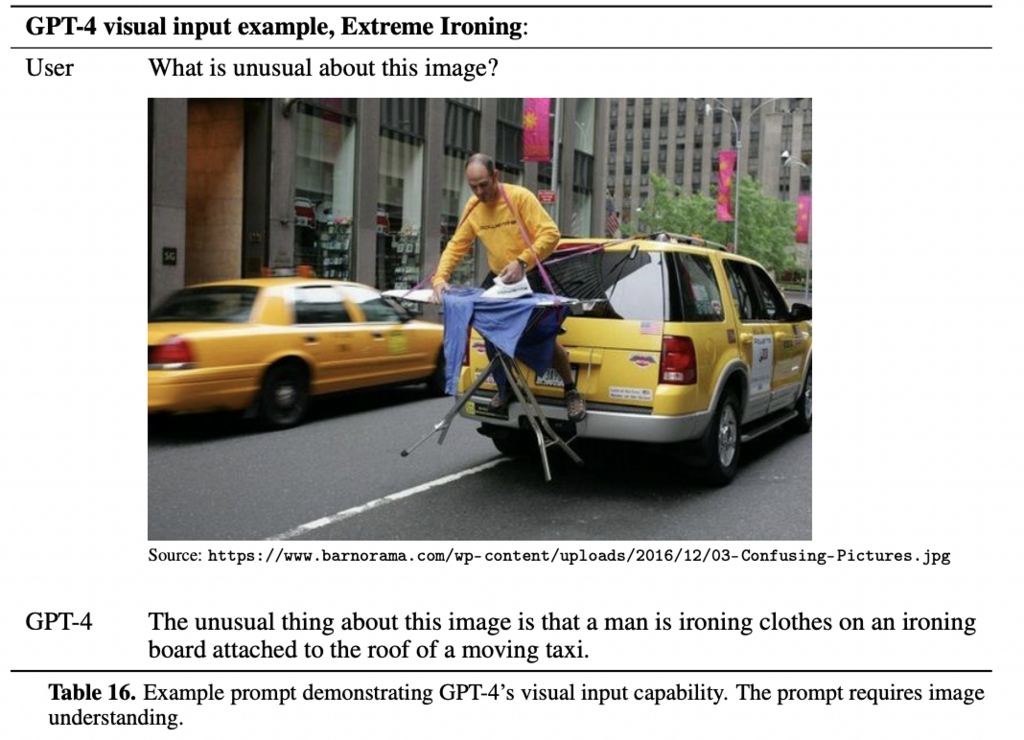
ChatGPT is not a static tool. OpenAI is constantly releasing new, more powerful versions. A major leap forward was the release of GPT-4o, a model that is "multimodal." This means it can process and generate not just text, but also images and audio. You can show it a picture and ask questions about it, or have a spoken conversation.
Beyond improving the core model, the technology is also being adapted for more specialized tasks. These specialized versions are sometimes called agents. For example, OpenAI has demonstrated agents like Operator, which can interact with websites on your behalf to complete tasks, and Codex, a version fine-tuned to understand and write computer code.
ChatGPT’s evolution from a text-based chatbot to an all-purpose productivity tool marks a major shift in how we interact with AI.
This evolution points to a future where AI assistants can handle more complex, multi-step tasks that require interacting with different types of information and digital tools.
What is the primary purpose of ChatGPT?
The 'T' in GPT stands for Transformer. What key ability does this architecture give the model?