ChatGPT for Creative Ads
Introduction to ChatGPT
What is ChatGPT?
ChatGPT is a conversational AI created by a company called OpenAI. You can have a conversation with it, ask it questions, and give it instructions. It understands and generates text that sounds remarkably human.
At its core, ChatGPT is powered by something called a Large Language Model, or LLM. Think of an LLM as a massive, complex brain that has been trained on a huge amount of text and code from the internet. This training allows it to recognize patterns, context, and nuances in language, making it skilled at communication.
ChatGPT is an artificial intelligence (AI) chatbot built on top of OpenAI's foundational large language models (LLMs) like GPT-4 and its predecessors.
When you type a prompt, ChatGPT uses its training to predict what the most likely and helpful response should be. It's not thinking or feeling; it's performing a sophisticated pattern-matching exercise to construct sentences word by word.

What Can It Do?
The main capability of ChatGPT is generating text. But that simple description covers a huge range of tasks. It can write an email to your boss, explain a complex scientific concept in simple terms, debug a piece of computer code, or even write a poem.
For creative professionals, it's like a brainstorming partner that never gets tired. It can generate dozens of ad slogans, outline a blog post, or suggest different angles for a marketing campaign. You provide the creative direction, and it provides the raw material to work with.
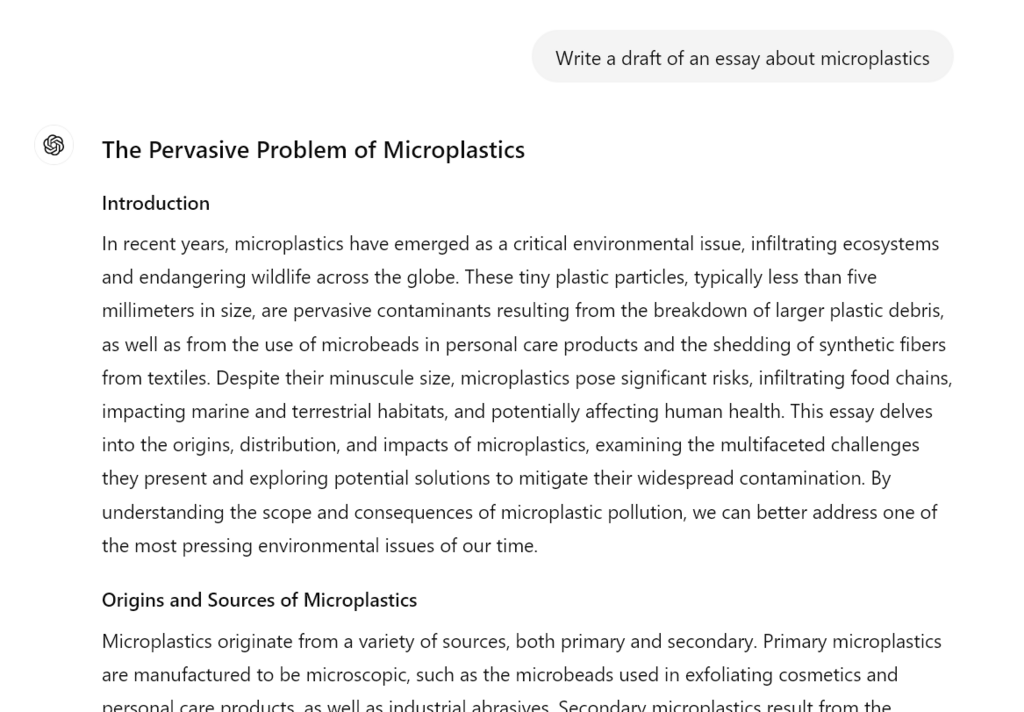
Here's a simple example. You could ask it: "Write three taglines for a new brand of coffee that's organic and sustainably sourced." Within seconds, you'd have options to start with.
Strengths and Weaknesses
ChatGPT's biggest strengths are its speed and versatility. It can produce a large volume of text on almost any topic instantly. This makes it a powerful tool for overcoming writer's block and quickly creating first drafts.
However, it has significant limitations. The most important one to remember is that ChatGPT does not understand truth. It's designed to generate plausible-sounding text, not factually accurate statements. Sometimes, it makes up facts, sources, or details in a phenomenon known as "hallucination."
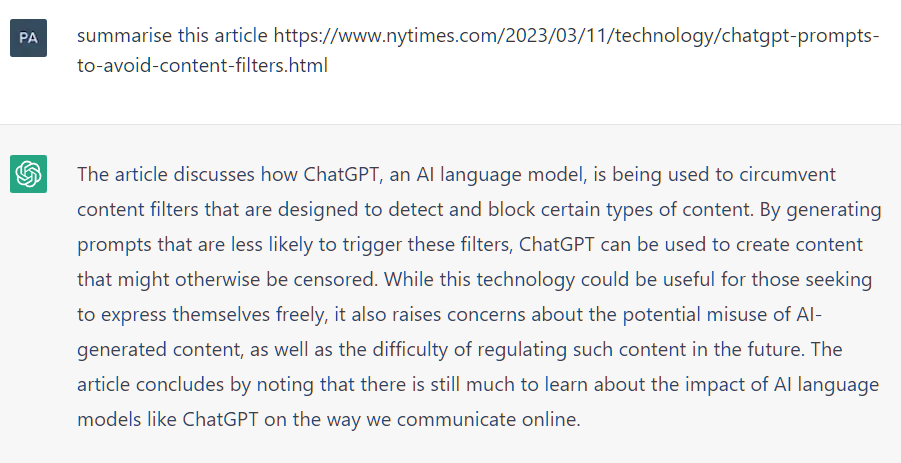
Because it learns from a snapshot of the internet, its knowledge is not current, and it can reflect the biases present in its training data. It's also crucial to consider the ethical implications. Using AI-generated text without proper oversight can lead to the spread of misinformation or be flagged as plagiarism.
Think of it as a very knowledgeable, very fast, but sometimes unreliable assistant. You must always check its work.
Treat ChatGPT as a starting point rather than a definitive source.
Now that you have a basic understanding of what ChatGPT is and its core capabilities, let's test your knowledge.
What is the core technology that powers ChatGPT?
When ChatGPT generates a response, what is it primarily doing?
Understanding these fundamentals is the first step. By knowing what the tool is good at and where it falls short, you can begin to use it effectively and responsibly in your own creative work.