ChatGPT Explained
Introduction to ChatGPT
Meet ChatGPT
You’ve likely heard its name, but what exactly is ChatGPT? At its core, it's a conversational AI created by the research lab OpenAI. You can type a question or a command, and it will respond with human-like text. It can write an email, draft a poem, explain a complex topic, or even generate computer code.

Think of it as a highly advanced chatbot. But instead of being programmed with a limited set of answers, it uses a powerful type of AI called a Large Language Model (LLM) to understand language and generate original responses on the fly. This allows it to handle a vast range of topics and tasks.
ChatGPT is an artificial intelligence (AI) chatbot built on top of OpenAI's foundational large language models (LLMs) like GPT-4 and its predecessors.
A Quick History
ChatGPT didn't appear out of nowhere. It's the result of years of research and development, built upon a series of models known as Generative Pre-trained Transformers, or GPTs. The first version, GPT-1, was a significant step, but each new model brought massive improvements.
GPT-2, released in 2019, was so good at generating believable text that its creators initially worried about potential misuse. Then came GPT-3, which was an even bigger leap forward in its ability to understand and generate nuanced language. ChatGPT was first released in late 2022, built on an improved version of the GPT-3 model, and was specifically fine-tuned for conversation.
Each generation of the GPT models became exponentially more capable, learning from vast amounts of text from the internet to better understand grammar, facts, reasoning abilities, and conversational style.
Since its debut, ChatGPT has continued to evolve. Newer versions, powered by even more advanced models like GPT-4, have expanded its capabilities to include understanding images and performing more complex reasoning tasks. This rapid progression is a hallmark of the current pace of AI development.
Why It Matters
The arrival of ChatGPT marked a turning point for artificial intelligence. For the first time, a powerful and versatile AI tool was made available to the general public through a simple, easy-to-use interface. Millions of people began experimenting with it, discovering new ways to use AI in their daily lives, from drafting business plans to helping with homework.
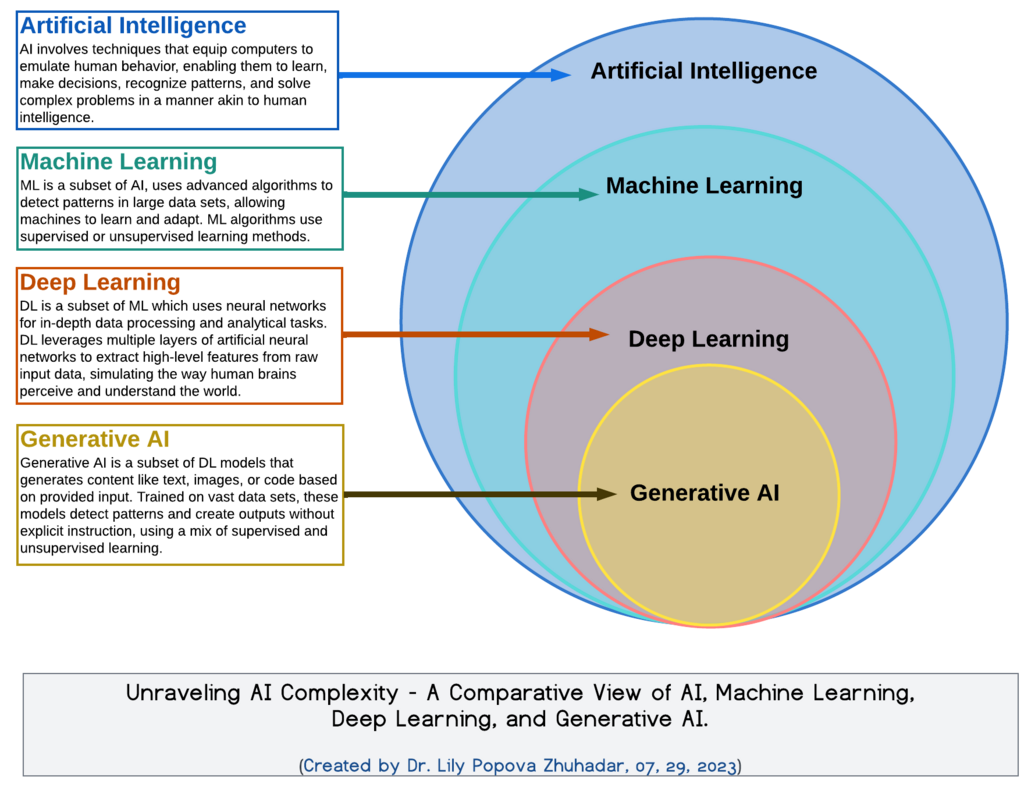
Its significance goes beyond just being a handy tool. ChatGPT demonstrated the immense potential of large language models and sparked a global conversation about the future of AI. It accelerated research, prompted major tech companies to release their own competing models, and raised important questions about the role of AI in society, creativity, and the workforce.
The advent of ChatGPT and similar large language models (LLMs) has revolutionized the human-AI interaction and information-seeking process.
By making advanced AI accessible, ChatGPT has become a catalyst for innovation across countless fields. Developers are building applications on top of its technology, businesses are integrating it into their workflows, and educators are exploring its potential in the classroom. It has fundamentally changed how many of us interact with information and technology.
What is the core type of artificial intelligence technology that powers ChatGPT?
The acronym GPT, as in the GPT-4 model, stands for: