ChatGPT Explained
Introduction to Large Language Models
What Are Large Language Models?
At its core, a large language model (LLM) is an AI program trained to understand and generate human language. Think of it as a super-powered version of the autocomplete on your phone. While your phone might suggest the next word in a text, an LLM can write entire paragraphs, answer complex questions, and even translate languages.
large language model
noun
An artificial intelligence model trained on vast amounts of text data to understand, generate, and interact with human language.
The “large” in the name refers to two things: the immense size of the model itself (billions of parameters, which are like internal knobs the AI can tune) and the massive amount of text data it was trained on. This data can include books, articles, websites, and more, giving the model a broad understanding of how humans use language—its grammar, facts, reasoning styles, and even its nuances.
A Large Language Model (LLM) is a type of artificial intelligence program designed to understand, generate, and work with human language.
Its fundamental task is simple: predict the next word in a sequence. By repeating this process over and over, an LLM can generate coherent and contextually relevant sentences, paragraphs, and entire documents.
A Brief History
The idea of teaching machines to understand language isn't new. Early attempts in the mid-20th century relied on hand-coded rules of grammar. This approach was brittle and couldn't handle the endless exceptions and complexities of human language. In the late 1980s and 1990s, statistical methods became more popular. These models learned patterns from data, which was a significant step forward.
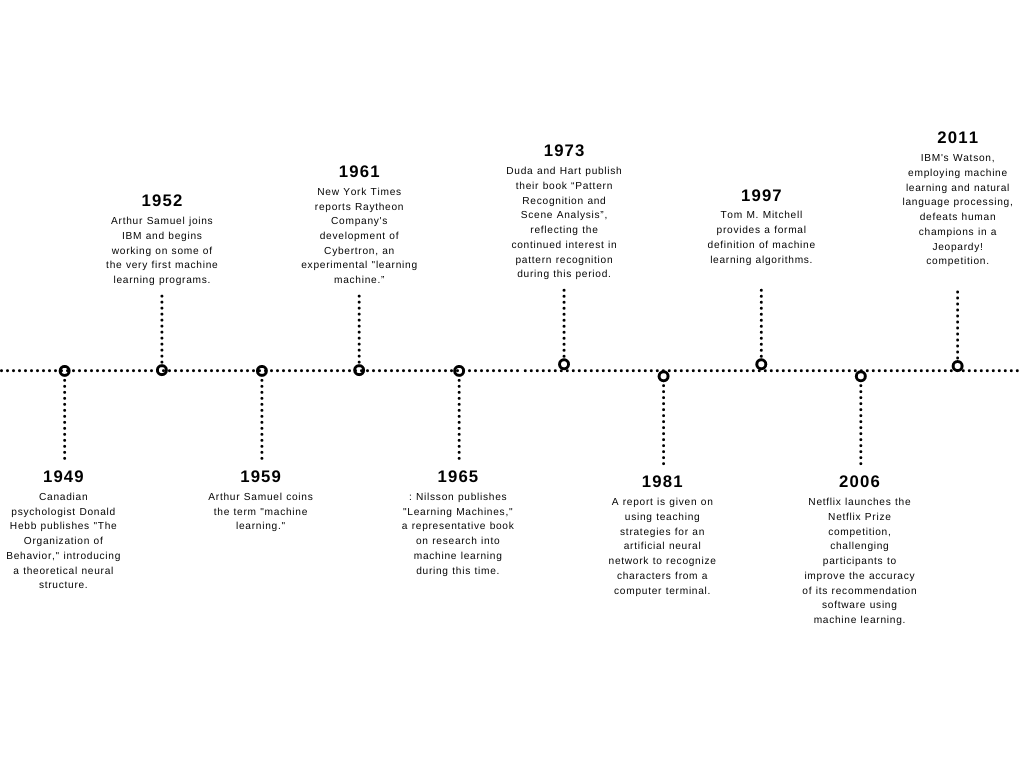
The real breakthrough came with the rise of deep learning and neural networks, which are inspired by the structure of the human brain. The invention of a specific architecture called the Transformer in 2017 was a turning point. It allowed models to process language more effectively and efficiently, enabling them to scale to the massive sizes we see today. This innovation is the foundation for almost all modern LLMs, including models like GPT-4.
What Can LLMs Do?
Large language models are transforming how we interact with information and technology. Their ability to process and generate text has opened up a wide range of applications.
LLMs excel at tasks that require a deep understanding of language context, nuance, and style.
Here are just a few examples:
- Content Creation: Writing emails, articles, marketing copy, and even creative stories.
- Information Synthesis: Summarizing long documents, research papers, or news articles to provide the key takeaways.
- Question Answering: Acting as sophisticated search engines that provide direct, conversational answers to complex questions.
- Translation: Translating text between different languages with increasing accuracy and fluency.
- Coding Assistance: Generating code snippets, debugging existing code, and explaining what a piece of code does in plain English.
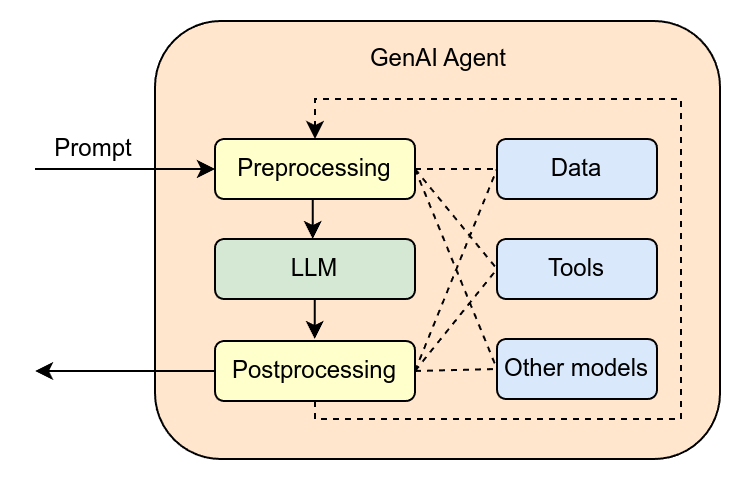
As these models continue to improve, their applications are expanding into nearly every industry, from customer service chatbots to tools that help scientists analyze research data.
Ready to test your knowledge?
What is the fundamental task of a large language model (LLM)?
The "large" in Large Language Model refers to the massive amount of text data it was trained on and what other factor?
LLMs represent a major leap in artificial intelligence. By learning from vast quantities of text, they have developed a remarkable ability to work with human language, setting the stage for even more advanced AI in the future.