ChatGPT Enterprise for R&D Engineers
Introduction to ChatGPT Enterprise
Enterprise-Grade AI
You’re likely familiar with ChatGPT, but the Enterprise version is a different beast, built specifically for professional environments. Think of it as the industrial-grade version of the AI you already know. The key difference isn't just about generating text or code; it's about doing so with the security, speed, and scale that a business, especially one focused on R&D, requires.
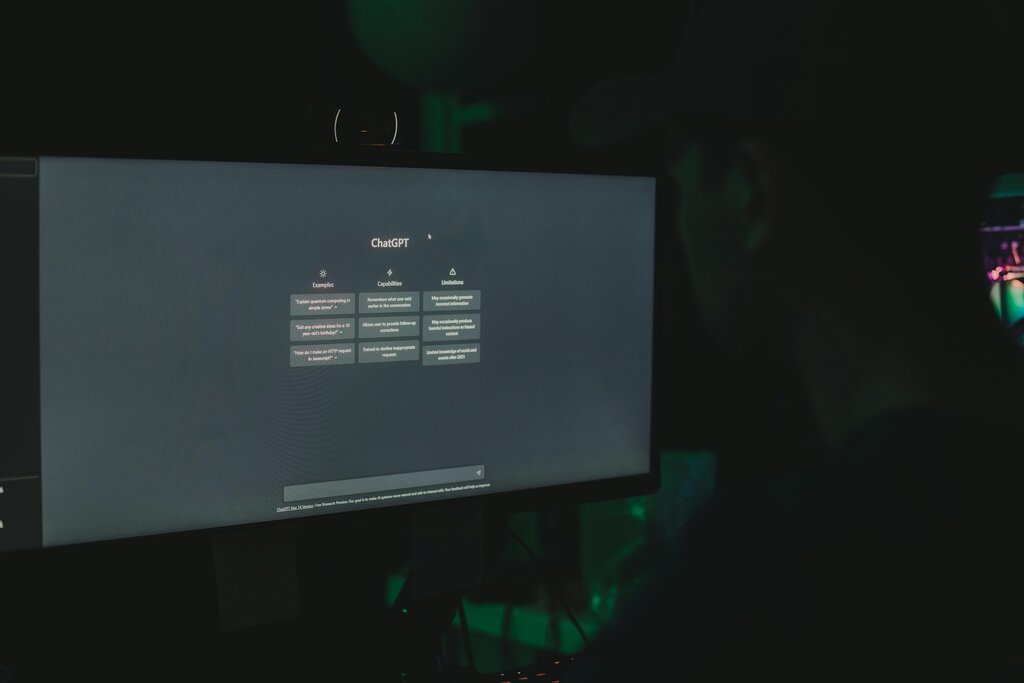
For R&D teams, this is critical. Your proprietary data, experimental results, and internal code are your most valuable assets. ChatGPT Enterprise ensures that your conversations are not used to train OpenAI's models, providing a level of data privacy that the public version doesn't. It also offers significantly faster response times and larger context windows, meaning you can analyze longer documents, more complex codebases, or extensive datasets without hitting the limitations of the consumer-facing tool.
Key Differences
While many AI tools can generate text, ChatGPT Enterprise is tailored for organizational use. This means features that matter to teams, not just individuals. An administrative dashboard allows a company to manage its users, and single sign-on (SSO) integration simplifies access. The model performance is also prioritized for enterprise users, giving you faster access to the most capable models available.
| Feature | ChatGPT (Free) | ChatGPT Plus | ChatGPT Enterprise |
|---|---|---|---|
| Performance | Standard | Faster | Highest Speed |
| Model Access | Standard models | Priority access | Priority access to latest models |
| Data Privacy | Used for training | Not used for training | Not used for training |
| Context Window | Standard | Larger | Largest available |
| Admin Tools | None | None | User management, SSO |
| Security | Standard | Standard | Enterprise-grade encryption |
OpenAI’s ChatGPT Enterprise offers a versatile solution for startups, acting as an on-demand strategist capable of drafting investor decks, refining code snippets, and scripting customer support interactions.
Applications in R&D
So, how does this translate to your day-to-day work as an R&D engineer? The applications are broad and can significantly accelerate the innovation cycle.
Accelerated Literature Review: Instead of manually sifting through dozens of academic papers, you can use the large context window to upload and summarize multiple documents at once. You can ask it to identify key themes, compare methodologies, or find gaps in existing research.
Code Generation and Debugging: It excels at writing boilerplate code, generating unit tests, or translating code from one language to another. When you're stuck on a bug, you can paste the problematic snippet and ask for potential fixes or explanations of the error.
Data Analysis: You can feed it raw data or statistical outputs and ask for interpretations. It can help generate scripts in Python or R for data visualization or statistical analysis, saving you time on routine tasks.
Hypothesis and Idea Generation: Use it as a brainstorming partner. Describe a problem you're trying to solve, and ask it to generate novel hypotheses, suggest alternative experimental designs, or identify potential applications for a new technology.
ChatGPT Enterprise acts as an intelligent assistant, augmenting your skills to help you work faster and more creatively, not replace your core expertise.
Now, let's test your understanding of these core concepts.
What is the primary data privacy guarantee offered by ChatGPT Enterprise that is not available in the public version?
An R&D team wants to analyze twenty lengthy research papers to identify gaps in the current literature. Which feature of ChatGPT Enterprise is most directly beneficial for this task?
By leveraging these capabilities within a secure framework, R&D teams can streamline workflows and focus more on innovation.