ChatGPT Automation Unleashed
Introduction to ChatGPT
What is ChatGPT?
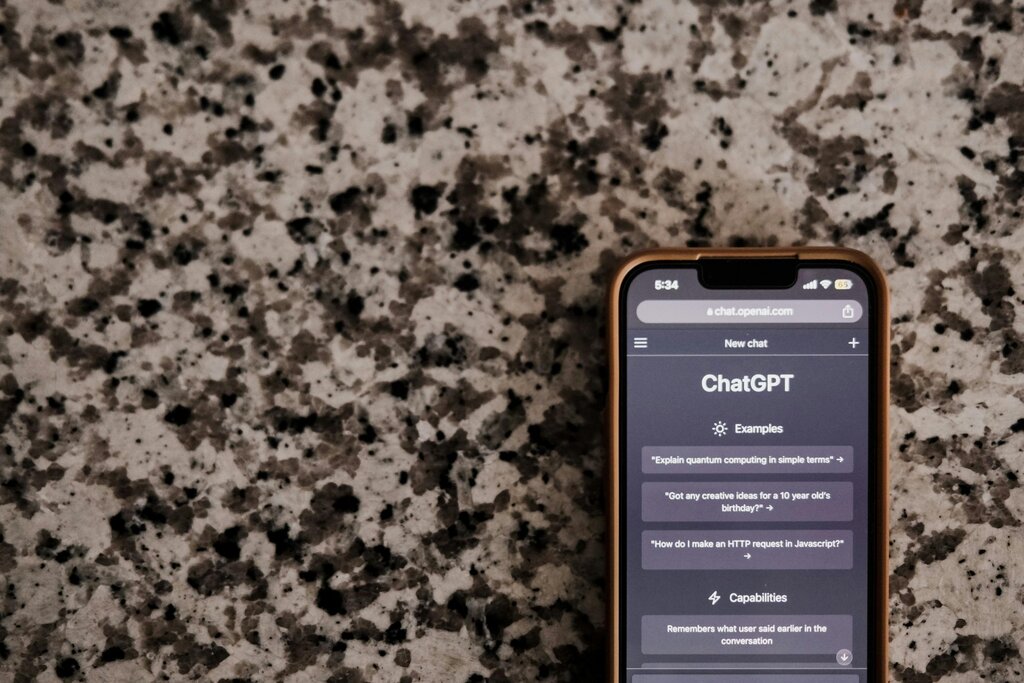
ChatGPT is a powerful AI chatbot created by a company called OpenAI. Think of it as a conversational partner that can understand what you type and generate surprisingly human-like text in response. It can answer questions, write essays, summarize articles, and even create computer code.
ChatGPT is an artificial intelligence (AI) chatbot built on top of OpenAI's foundational large language models (LLMs) like GPT-4 and its predecessors.
At its core, ChatGPT is powered by a Large Language Model, or LLM. An LLM is a type of artificial intelligence that has been trained on a massive amount of text and data from the internet. This training allows it to recognize patterns, context, and nuances in language, much like how we learn to speak and write. It's not truly thinking or understanding in the human sense, but it's incredibly good at predicting the next most logical word in a sentence, which allows it to construct coherent and relevant responses.
Capabilities and Applications
The range of what ChatGPT can do is vast. Its main strength lies in processing and generating text for all sorts of tasks. You can ask it to draft an email to your boss, brainstorm ideas for a birthday party, explain a complex scientific concept in simple terms, or even write a poem.
Because of its versatility, it has many applications for boosting productivity. Instead of starting from a blank page, you can ask ChatGPT to create a first draft of a report, a marketing slogan, or a social media post. This can save a significant amount of time and mental energy, allowing you to focus on refining and perfecting the final product.
Use ChatGPT as your personal assistant for drafting emails, creating outlines, summarizing long documents, or even helping you learn a new skill by asking it to explain things.
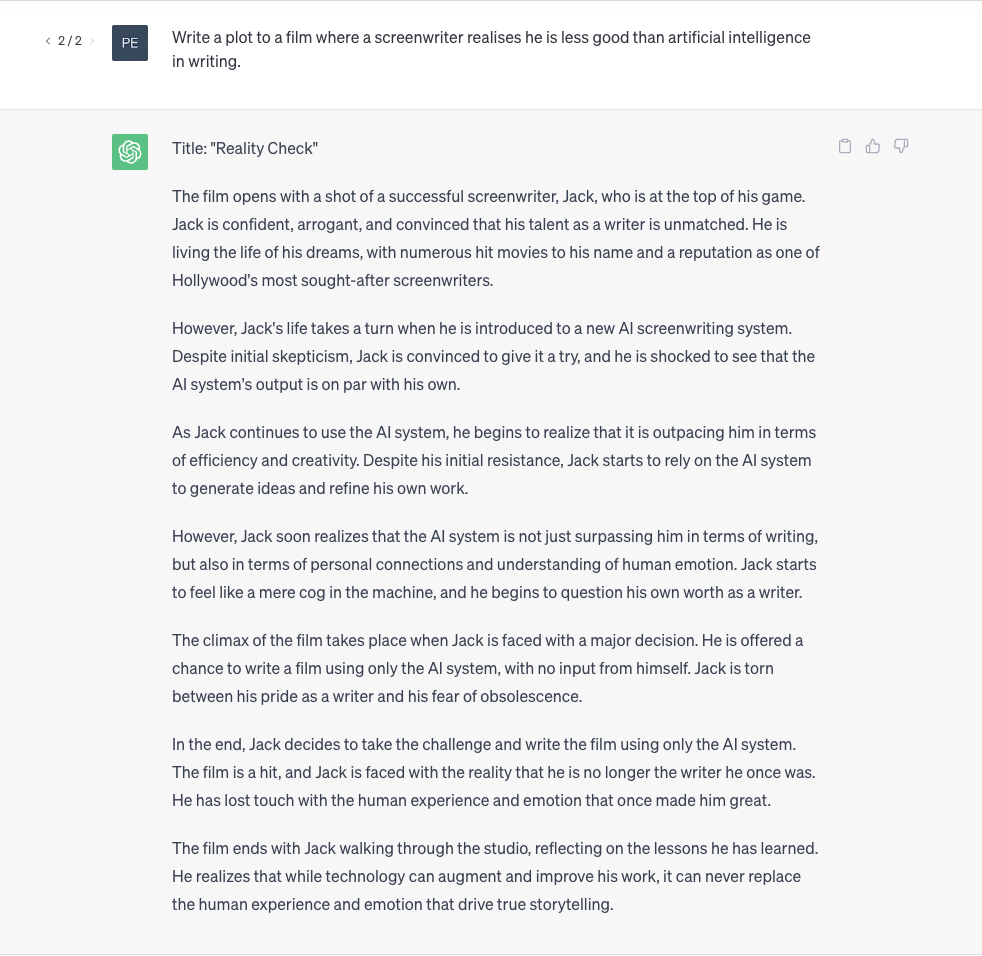
It can also be a powerful tool for learning and creativity. For example, programmers use it to help write and debug code, while writers use it to overcome writer's block by generating plot ideas or character descriptions.
Strengths and Limitations
Like any tool, ChatGPT has its strengths and weaknesses. Its greatest strength is its speed and ability to generate fluent, well-written text on almost any topic imaginable. It can process information and produce content far faster than a human ever could.
However, it's crucial to be aware of its limitations. ChatGPT does not possess true understanding or consciousness. Its knowledge is based on the data it was trained on, which has a cutoff point, so it may not be aware of very recent events. More importantly, it can sometimes be confidently wrong.
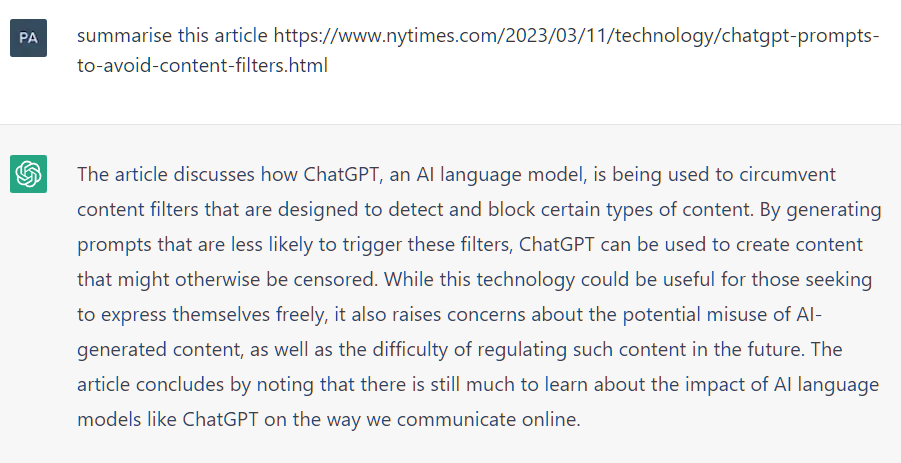
This tendency to generate plausible but incorrect or nonsensical information is often called "hallucination." The AI isn't lying; it's simply generating text that seems statistically likely based on its training data, even if it's factually inaccurate.
Because of this, you should always verify any critical information, like facts, figures, or historical dates, that ChatGPT provides. It's a fantastic starting point, but it's not an infallible source of truth.
| Strengths | Limitations |
|---|---|
| Generates text quickly | Can produce inaccurate information (hallucinate) |
| Covers a vast range of topics | Knowledge isn't always up-to-date |
| Can help brainstorm and be creative | Lacks true understanding and common sense |
| Useful for summarizing and rephrasing | May show biases present in its training data |
Understanding these boundaries is key to using the tool effectively and responsibly.
What is the core technology that powers ChatGPT?
According to the text, what is a primary benefit of using ChatGPT for productivity?
By understanding what ChatGPT is, what it can do, and where it falls short, you can begin to leverage it as a powerful tool to streamline your work and enhance your productivity.