Chatbot Fundamentals
Introduction to Chatbots
What Are Chatbots?
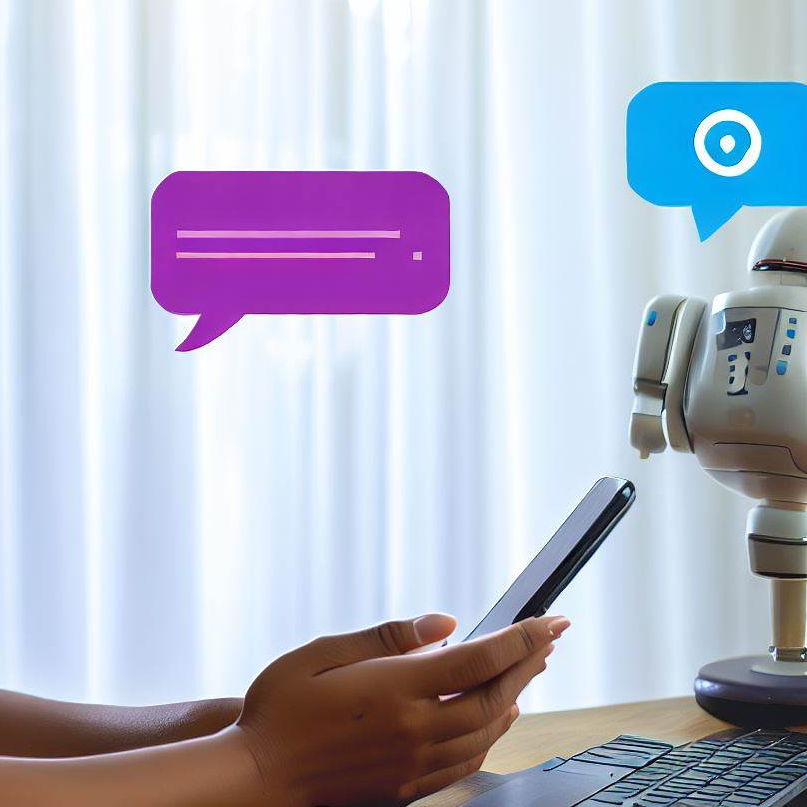
At its core, a chatbot is a computer program designed to simulate human conversation. You've likely interacted with one already, whether asking for a shipping update on a retail website or getting a quick answer from a banking app. Their goal is to understand what you're asking and provide a relevant, helpful response, all through text or voice.
Think of them as automated assistants. Instead of searching through a website's frequently asked questions, you can just ask your question directly. This makes getting information faster and often more intuitive. The chatbot acts as a conversational bridge between you and a company's database or services.
A Quick Trip Through Time
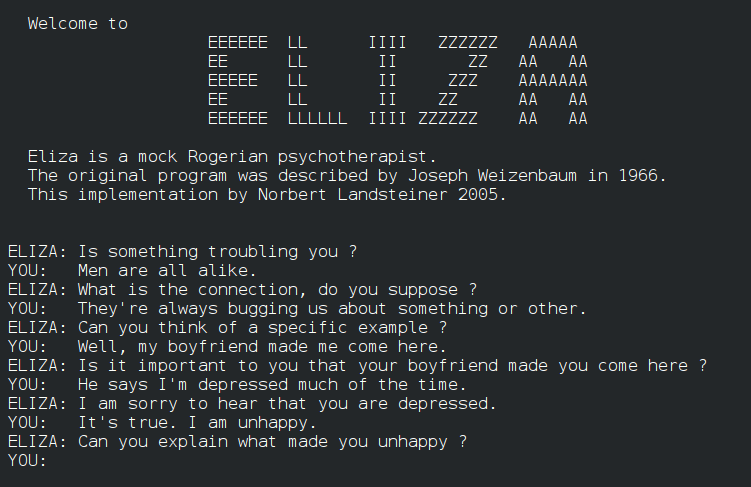
The idea of talking to a machine is not new. The journey began in the 1960s with a program named ELIZA. Created at MIT, ELIZA acted like a psychotherapist by recognizing keywords in a user's typed sentences and reflecting them back as questions. It didn't understand the conversation; it just followed simple rules and scripts. Still, it was a fascinating first step.
For decades, most chatbots were similar to ELIZA: strictly rule-based. They could only respond to specific commands and were easily confused by typos or unusual phrasing. But with the rise of the internet and huge advancements in artificial intelligence, chatbots began to evolve. Modern chatbots can learn from vast amounts of data, allowing them to understand context, handle complex queries, and sound much more natural.
The Core Components
Though modern chatbots can seem complex, they generally rely on a few key components working together. Understanding these parts helps demystify how they operate.
First is the User Interface (UI). This is the chat window where you type your message. It’s the visual front end that you interact with.
Next, your message is sent to the Natural Language Processing (NLP) engine. This is the chatbot's brain. NLP technology allows the bot to read your text, identify the intent behind your words, and extract important pieces of information. It's how the bot understands that "What's the weather like in Boston?" is a request for a weather forecast for a specific city.
Finally, the Dialogue Management system takes over. This component decides what the chatbot should do with the information it has understood. It might look up the weather, ask a clarifying question if needed, or admit it doesn't understand. It crafts a response and sends it back to the UI for you to see.
Chatbots in the Wild
Chatbots are no longer a novelty; they're a standard tool across many industries. Their ability to provide instant, 24/7 support makes them incredibly valuable.
Customer Service: Chatbots handle common questions, track orders, and process returns, freeing up human agents to solve more complex problems.
Healthcare: They can help patients book appointments, get medication reminders, and answer basic health questions.
Education: In online learning, chatbots act as tutors, guiding students through lessons and quizzing them on material.
From helping you order a pizza to providing mental health support, the applications are vast and growing. As the underlying AI technology continues to improve, chatbots will become even more integrated into our daily digital lives.
Now, let's test what you've learned about the fundamentals of chatbots.
What is the primary purpose of a chatbot?
Which component of a chatbot is considered its 'brain', responsible for understanding the user's text?
That's a quick look at what chatbots are, where they came from, and how they're changing the way we interact with technology.