Chatbot Creation for Beginners
Introduction to Chatbots
What Is a Chatbot?
A chatbot is a computer program designed to simulate human conversation through text or voice. Think of it as a digital assistant you can talk to. You've probably used one without even realizing it when you asked for your bank account balance on a website, ordered a pizza through an app, or got a weather update from your smart speaker.
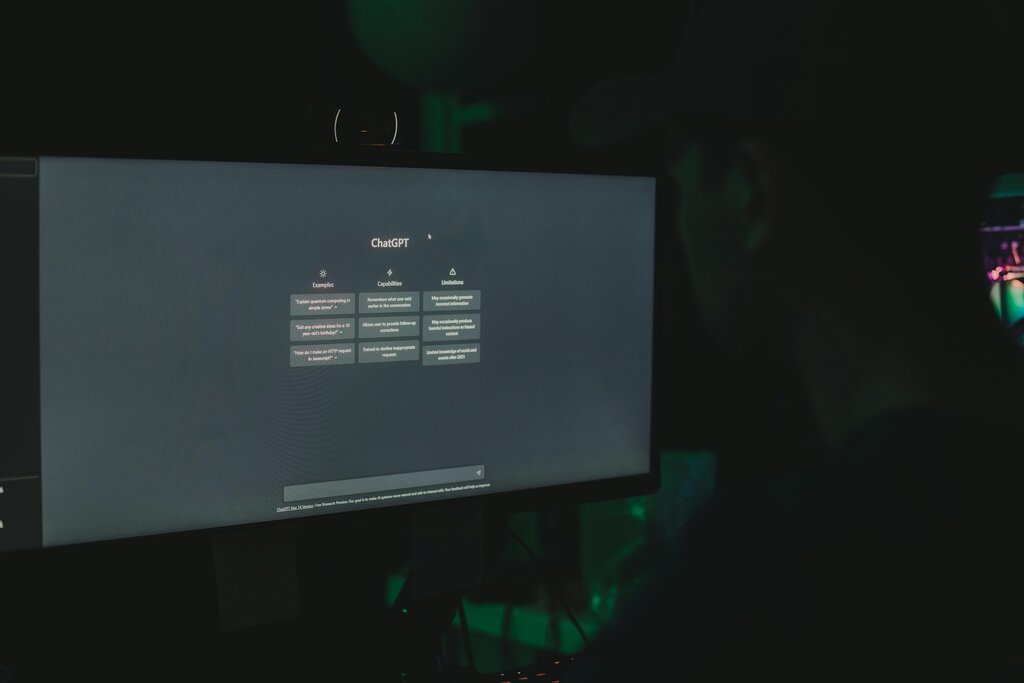
At their core, chatbots are all about interaction. They answer questions, complete tasks, and can even offer recommendations. The goal is to make it feel like you're communicating with a person, not a machine. This makes technology more accessible and user-friendly.
A Brief History
The idea of talking to computers isn't new. The first chatbot, named ELIZA, was created back in 1966 at MIT. ELIZA was simple. It worked by recognizing keywords in a user's typed sentences and responding with scripted phrases. For example, if you mentioned your mother, ELIZA might ask, "Tell me more about your family."
Surprisingly, many people who interacted with ELIZA felt a real emotional connection to the program, even though they knew it was just a machine.
For decades, chatbots remained fairly basic, following predefined rules and scripts. The big leap forward came with the rise of artificial intelligence (AI) and machine learning. Modern chatbots can now understand context, learn from past conversations, and provide much more sophisticated and natural-sounding responses. The development of Large Language Models (LLMs) like the one that powers ChatGPT marked a huge turning point, making chatbots more powerful than ever.
How They Work
So, how does a chatbot understand what you're saying and figure out how to reply? The process involves a field of AI called Natural Language Processing (NLP).
Natural Language Processing
noun
A branch of artificial intelligence that helps computers understand, interpret, and generate human language.
NLP allows a chatbot to break down your message into manageable parts. It identifies your core request, or "intent," and pulls out key pieces of information, called "entities." If you ask, "What's the weather like in London tomorrow?" the chatbot identifies your intent (get a weather forecast) and the entities (London, tomorrow).
Once the chatbot understands your request, it can take action. This might mean searching a database for an answer, integrating with another app (like a weather service), or just providing a pre-written response. This ability to understand language and perform tasks makes chatbots incredibly versatile.
Chatbots in the Wild
Chatbots are used in almost every industry imaginable. Their applications are constantly growing, but here are some of the most common uses.
| Industry | Common Use Cases |
|---|---|
| Customer Service | Answering frequently asked questions 24/7, tracking orders, processing returns. |
| Healthcare | Scheduling appointments, reminding patients to take medication, answering health questions. |
| E-commerce | Recommending products, helping users find items, completing purchases. |
| Education | Tutoring students, answering course-related questions, providing learning resources. |
| Finance | Checking account balances, transferring money, providing stock quotes. |
You can implement NLP to develop intelligent tutoring systems and chatbots that engage your users in interactive dialogues, answering their questions and providing personalized guidance.
The main benefit across all these areas is efficiency. Chatbots can handle many routine tasks simultaneously, freeing up human agents to focus on more complex problems. They provide instant support to users, improving satisfaction and engagement. As AI technology continues to advance, the roles and capabilities of chatbots will only expand.
Ready to check your understanding? Let's see what you've learned about the basics of chatbots.
What is the primary goal of a chatbot?
What was the name of the first chatbot, created at MIT in 1966?
From simple scripted responders to sophisticated AI assistants, chatbots have become a fundamental part of our digital lives, changing how we interact with technology.