Charlotte Non-Profits Making a Difference
Introduction to Non-Profit Organizations
What Makes a Non-Profit?
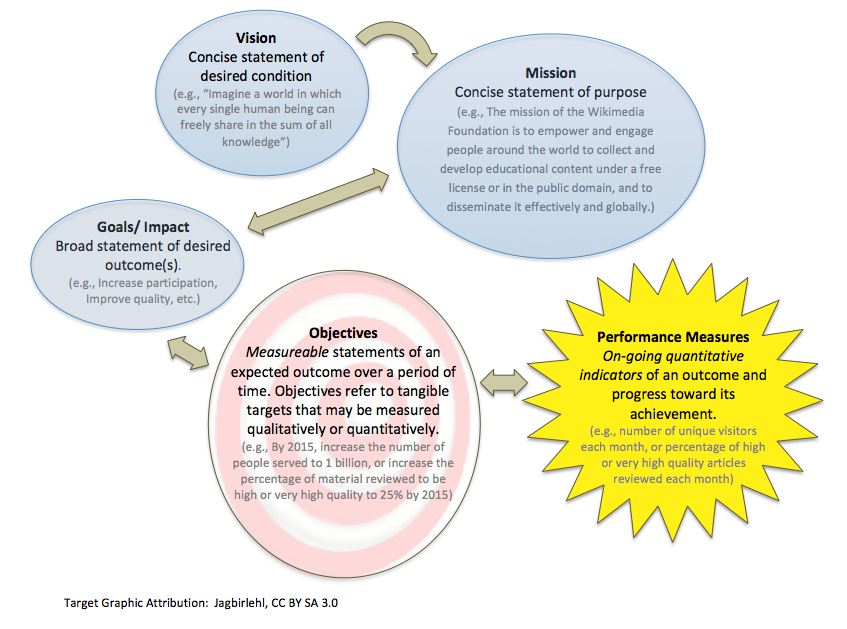
At its core, a non-profit organization (NPO) is a group organized for a collective, public, or social benefit, rather than for financial gain. While for-profit businesses aim to make money for their owners, non-profits funnel any surplus revenue back into their mission. Think of it this way: a coffee shop's goal is to sell coffee and generate profit. A non-profit that runs a coffee shop uses the sales to fund its work, like job training programs or community art projects.
non-profit
noun
An organization that uses its surplus revenues to further achieve its purpose or mission, rather than distributing its surplus income to the organization's shareholders (or owners).
This mission-driven focus is the key characteristic. The organization exists to address a need in society, whether it's feeding the hungry, protecting the environment, or advancing the arts. All its activities, from fundraising to program delivery, are guided by this central purpose.
A Spectrum of Purpose
The term "non-profit" covers a wide range of organizations, each with a different structure and focus. While there are many official classifications, they generally fall into a few key categories.
| Type | Primary Goal | Common Examples |
|---|---|---|
| Public Charity | Provides direct services to the public. | Food banks, homeless shelters, museums, hospitals. |
| Private Foundation | Funds other non-profits through grants. | The Bill & Melinda Gates Foundation, Ford Foundation. |
| Social Advocacy Group | Influences public policy and opinion on specific issues. | Environmental protection groups, civil liberties unions. |
| Mutual Benefit Organization | Serves its own members. | Social clubs, veterans' organizations, labor unions. |
Each type plays a different role. Public charities are often the most visible, doing hands-on work in communities. Foundations act as financial engines, supporting the work of many different charities. Advocacy groups work to change the systems and structures that create societal problems in the first place.
Following the Money
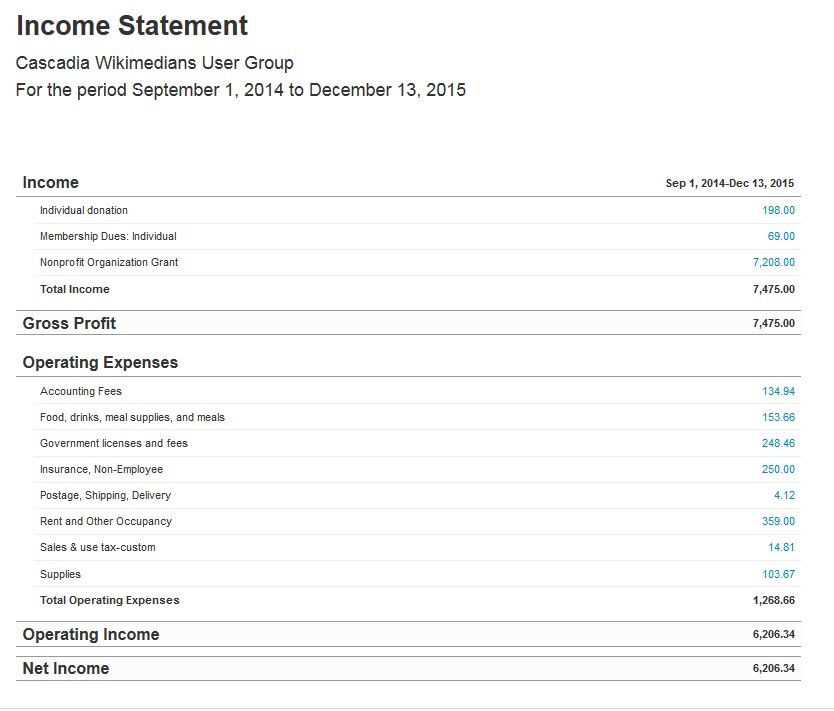
If non-profits aren't selling products to make a profit, how do they keep the lights on and deliver on their missions? They rely on a mix of funding sources.
A diverse funding stream is a sign of a healthy non-profit. Relying on a single source of income can be risky if that source suddenly dries up.
Common funding sources include:
- Individual Donations: Contributions from the general public, from small online gifts to large bequests.
- Grants: Competitive awards of money from foundations, corporations, or government agencies to fund specific projects.
- Corporate Sponsorships: Businesses provide funding in exchange for public recognition of their support.
- Earned Income: Revenue from services that align with the mission. Examples include a hospital's patient fees, a university's tuition, or a thrift store's sales.
Legal and Tax Rules
To operate as a non-profit, an organization must follow a specific set of legal and financial rules. In the United States, many charities are classified by the IRS as 501(c)(3) organizations. This designation grants them tax-exempt status, meaning they don't pay federal income tax on the money they raise for their charitable activities.
This special status comes with responsibilities. A non-profit must be governed by a board of directors who oversee its mission and finances. Its earnings cannot personally enrich any individual, and it must file annual financial reports with the IRS that are available to the public. This transparency ensures that the organization is using its resources to serve the public good.
The mission, board and finances of a non-profit can lend invaluable guidance to donors considering offering their support.
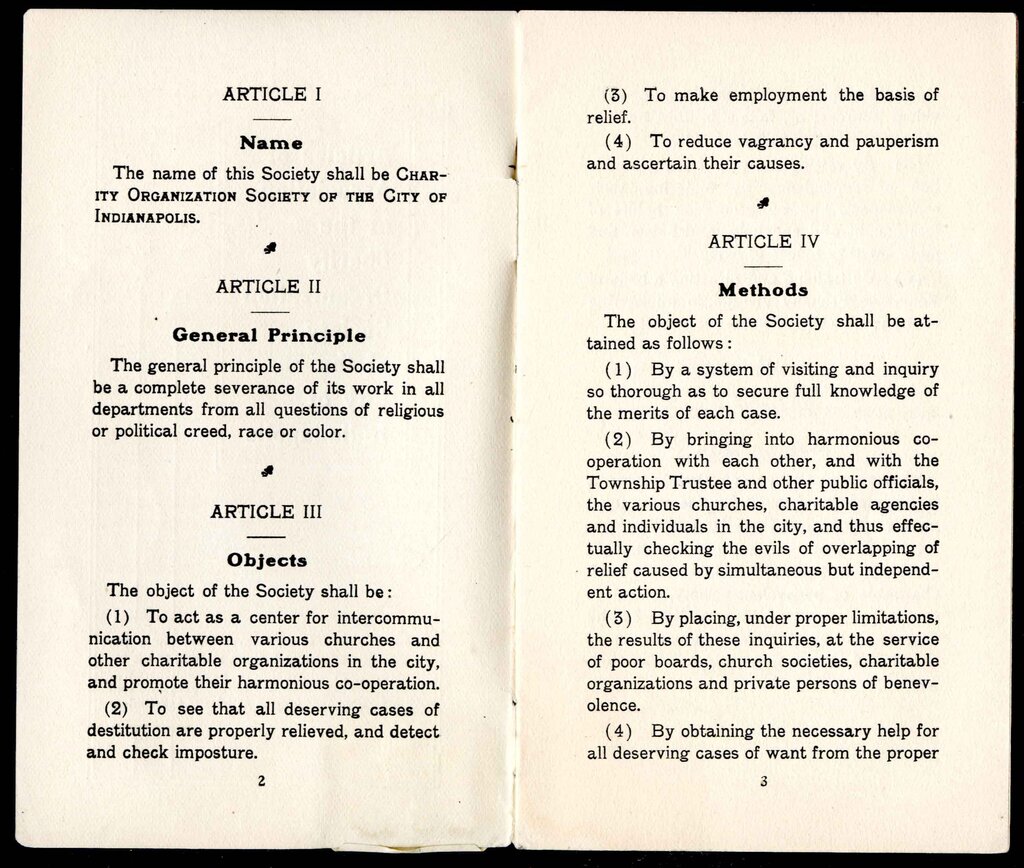
These foundational documents and governing principles are what establish a non-profit and guide its operations from the very beginning.
Now that you have a grasp of the fundamentals, let's test your knowledge.
What is the primary purpose of a non-profit organization (NPO)?
If a non-profit organization generates surplus revenue, what must it do with the money?
Understanding these core concepts—what a non-profit is, the different forms it can take, how it's funded, and the rules it follows—is the first step to appreciating the vital role these organizations play in our communities.