Charlie Munger's Mental Models
Introduction to Multidisciplinary Thinking
Beyond a Single Viewpoint
Most people are trained in one discipline. An economist sees the world through supply and demand. An engineer thinks in terms of systems and structures. A psychologist looks for motivations and cognitive patterns. While expertise is valuable, relying on a single perspective can be like trying to describe an elephant while only touching its tail. You get one part of the picture, but you miss the whole animal.
This is where multidisciplinary thinking comes in. It’s the art of using insights from different fields to build a more complete and accurate understanding of the world. Instead of using just one tool, you build a versatile toolkit for tackling problems and making decisions.
“You must know the big ideas in the big disciplines and use the routinely — all of them, not just a few. Most people are trained in one model — economics, for example — and try to solve all problems in one way. You know the old saying: ‘To the man with a hammer, the world looks like a nail.’ This is a dumb way of handling problems.”
This idea was championed by investor Charlie Munger. He argued that to make consistently good decisions, especially in complex fields like business and investing, you can't be a one-trick pony. You need to borrow the most powerful concepts from a wide range of subjects.
Seeing the Whole Picture
Multidisciplinary thinking isn't about becoming an expert in everything. That’s impossible. It's about learning the fundamental principles from different fields and applying them where they fit. Think of it as collecting different pairs of glasses. One pair (economics) helps you see costs and incentives. Another (psychology) reveals human behavior and biases. A third (history) shows you patterns that repeat over time.
By switching between these glasses, you can analyze a situation from multiple angles. This prevents you from falling into the trap of using your favorite tool for every job, whether it's appropriate or not.
Each discipline gives you a model for thinking about the world. When you combine them, your understanding becomes more robust and less prone to error.
A Practical Example
Imagine a city is considering implementing a new public transportation system. How would different disciplines approach this?
- An urban planner would look at population density, zoning laws, and how the system integrates with existing infrastructure.
- An economist would analyze the cost-benefit ratio, funding models, ticket pricing, and the potential impact on local businesses.
- A sociologist might study how the system would affect different communities, social equity, and daily life.
- An environmentalist would assess the impact on air quality, carbon emissions, and green space.
Using only one of these perspectives would lead to a flawed plan. A system that is economically sound but socially inequitable will fail. A plan that is environmentally friendly but poorly designed for urban flow will go unused. A truly successful solution requires integrating the insights from all these fields.
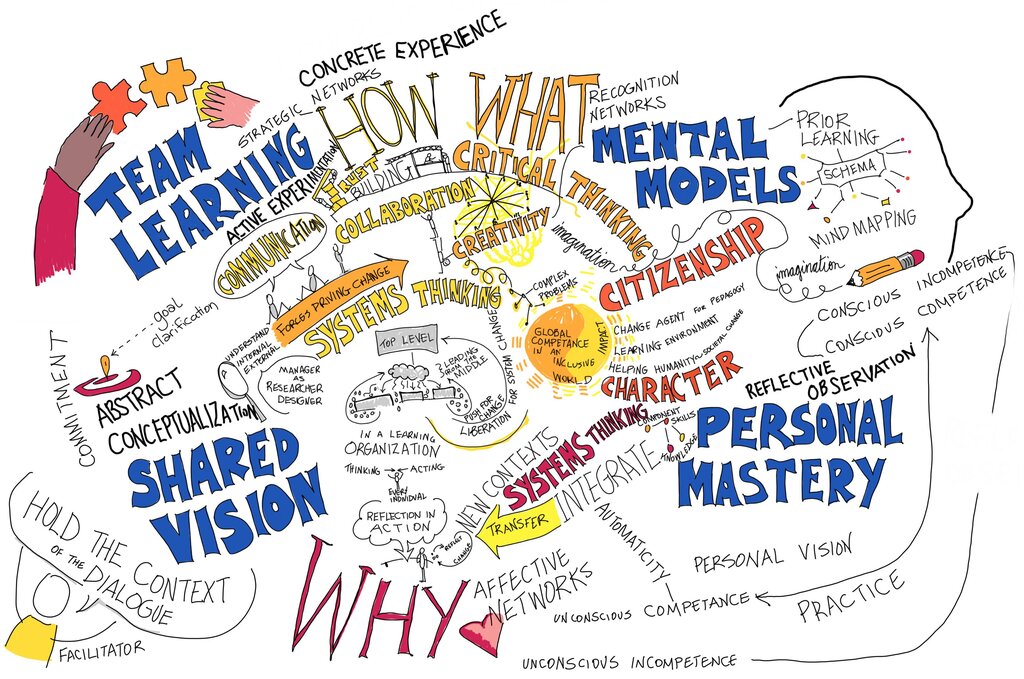
This approach isn't just for big public projects. You can apply it to business strategy, career choices, or even personal relationships. By asking questions from different disciplines, you uncover hidden risks, find creative solutions, and make more informed decisions.
Complex problems rarely have simple, one-dimensional causes. A multidisciplinary approach helps you appreciate that complexity instead of ignoring it.
Now, let's test your understanding of these core concepts.
What is the core principle of multidisciplinary thinking?
According to the text, what is the main risk of relying solely on a single discipline to understand a complex problem?
Building this way of thinking is a journey. It requires curiosity and a willingness to step outside your comfort zone. But the payoff is a clearer, more comprehensive view of the world.