Charleston Realtor Client Building
Understanding Charleston's Real Estate Market
The Charleston Market Pulse
Charleston's real estate market is a unique blend of historic charm and modern growth. It's consistently ranked as a top city in the U.S., which fuels a steady demand for housing. This isn't just a local market; it attracts buyers from across the country and the world, drawn by the city's culture, history, and coastal lifestyle.
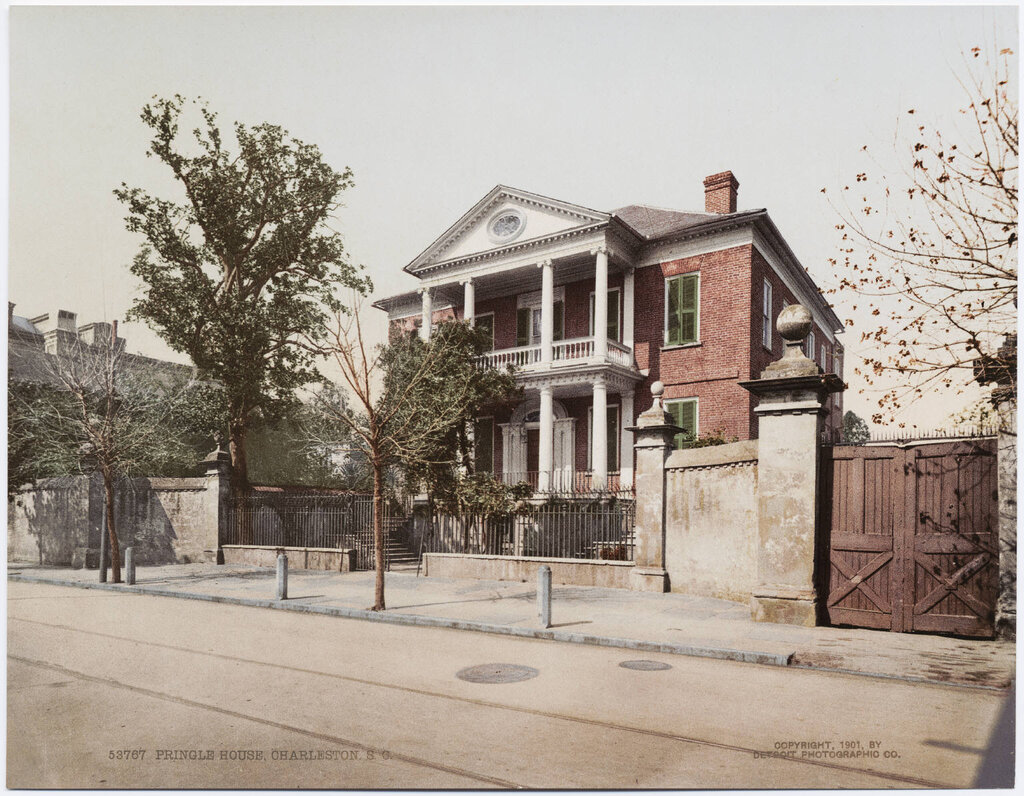
Currently, the market is characterized by strong demand and relatively limited inventory, especially for well-preserved historic homes. While new construction is booming in surrounding areas, the downtown peninsula has finite space, which keeps property values high. Properties that are priced correctly and show well tend to sell quickly.
Another key trend is the rise of the luxury market. High-net-worth individuals are increasingly looking to Charleston for second homes or primary residences, pushing prices up in desirable areas. At the same time, there's a growing need for more moderately priced housing to accommodate the city's expanding workforce.
Key takeaway: Charleston is a competitive market driven by strong national interest and limited inventory in its most historic districts.
Key Neighborhoods
To succeed in Charleston, you need to know its distinct neighborhoods. Each one offers a different lifestyle and price point. Understanding these nuances will help you match clients with their perfect location.
| Neighborhood | Characteristics | Price Point |
|---|---|---|
| South of Broad | Historic, prestigious, cobblestone streets, grand single-family homes. | Luxury ($2M+) |
| Mount Pleasant | Suburban, family-friendly, excellent schools, mix of new and old homes. | Mid-to-High ($700k+) |
| West Ashley | Established suburbs, more affordable, diverse housing stock from brick ranches to new builds. | Entry-to-Mid ($400k+) |
| Daniel Island | Master-planned community, resort-style amenities, modern homes, strong community feel. | High ($900k+) |
| James Island | Close to Folly Beach, relaxed vibe, popular with young professionals and families. | Mid-Range ($500k+) |
These are just a few examples. Areas like Johns Island offer a more rural feel with larger lots, while North Charleston is an epicenter of commercial and industrial growth, offering more affordable housing options.
Who's Buying in Charleston
Understanding buyer demographics is essential. Charleston's buyers aren't a monolith. They come from different backgrounds with diverse needs.
Young Professionals: Drawn by the growing tech and healthcare sectors, this group often looks for homes in West Ashley, James Island, or North Charleston. They value proximity to work, restaurants, and social activities. Condos and townhomes are popular starting points.
Families: Schools are a major driver for this segment. They gravitate towards areas like Mount Pleasant and Daniel Island, seeking safe neighborhoods, community amenities, and larger homes with yards.
Retirees and Second-Home Buyers: This affluent group is a significant force in the market. They are often looking for luxury properties downtown (South of Broad), on Daniel Island, or in coastal communities like Kiawah and Seabrook Islands. They prioritize lifestyle, amenities, and low-maintenance living.

A growing number of buyers are relocating from higher-cost areas like the Northeast and California. These clients often have substantial equity and are looking to improve their quality of life. They are typically well-researched but rely on local experts to navigate the specifics of the Charleston market.
What is a primary factor contributing to high property values on the downtown Charleston peninsula?
A family with school-aged children is relocating to Charleston and their top priority is a safe neighborhood with good schools and community amenities. Which area would be the most suitable recommendation for them?
By understanding these market dynamics, neighborhoods, and buyer profiles, you can provide more targeted, effective service to your clients in the Charleston area.