Charity Vetting for Maximum Impact
Understanding Charitable Organizations
More Than Just Doing Good
When we think of a charity, we often picture volunteers helping people in need. That's a big part of it, but there's a formal structure behind the goodwill. A charitable organization is a type of nonprofit specifically set up to serve public interests. Their purpose isn't to make money for owners or shareholders; it's to advance a specific mission, whether that's feeding the hungry, protecting the environment, or funding the arts.
These organizations operate under a special set of rules. In the United States, the Internal Revenue Service (IRS) grants them tax-exempt status. This means the charity itself doesn't pay federal income tax on the money it raises or earns in relation to its mission. This status is crucial. It allows more of their resources to go directly toward their programs, rather than to taxes.
The Tax Code Classifies Charities
The tax code has different classifications for nonprofits, and the details matter for both the organization and its donors. The most common type of charity is the 501(c)(3).
An organization with 501(c)(3) status is what most people think of as a public charity or a private foundation. They are organized for purposes like religion, education, science, or preventing cruelty to animals. The biggest benefit for donors is that contributions to these organizations are typically tax-deductible. However, 501(c)(3) organizations face strict limits on political activity and lobbying.
Another common type is the 501(c)(4), often called a social welfare organization. These groups work to promote the common good and general welfare of the community. Think of a volunteer fire department or a civic league. While they are tax-exempt, donations to 501(c)(4) organizations are generally not tax-deductible. In return for that trade-off, they are allowed to engage in more political lobbying than their 501(c)(3) counterparts.
| Feature | 501(c)(3) | 501(c)(4) |
|---|---|---|
| Primary Purpose | Charitable, religious, educational, scientific | Social welfare |
| Donations | Tax-deductible | Generally not tax-deductible |
| Political Lobbying | Strictly limited | Can be a primary activity |
| Examples | Red Cross, universities, museums | ACLU, NRA, civic leagues |
How Charities Are Governed
A charity doesn't run itself. It needs a clear governance structure to guide its mission and manage its resources responsibly. At the top of this structure is a Board of Directors or Board of Trustees.
The board is a group of volunteers who have the ultimate legal responsibility for the organization. They aren't involved in the day-to-day work. Instead, they provide oversight and strategic direction. Their key duties include hiring and managing the CEO or Executive Director, approving the annual budget, and ensuring the organization stays true to its mission. This is often called their fiduciary duty, which means they must act in the best interests of the charity.
Day-to-day operations are handled by paid staff, led by the Executive Director. This person is responsible for executing the strategy set by the board, managing programs, and leading the staff.
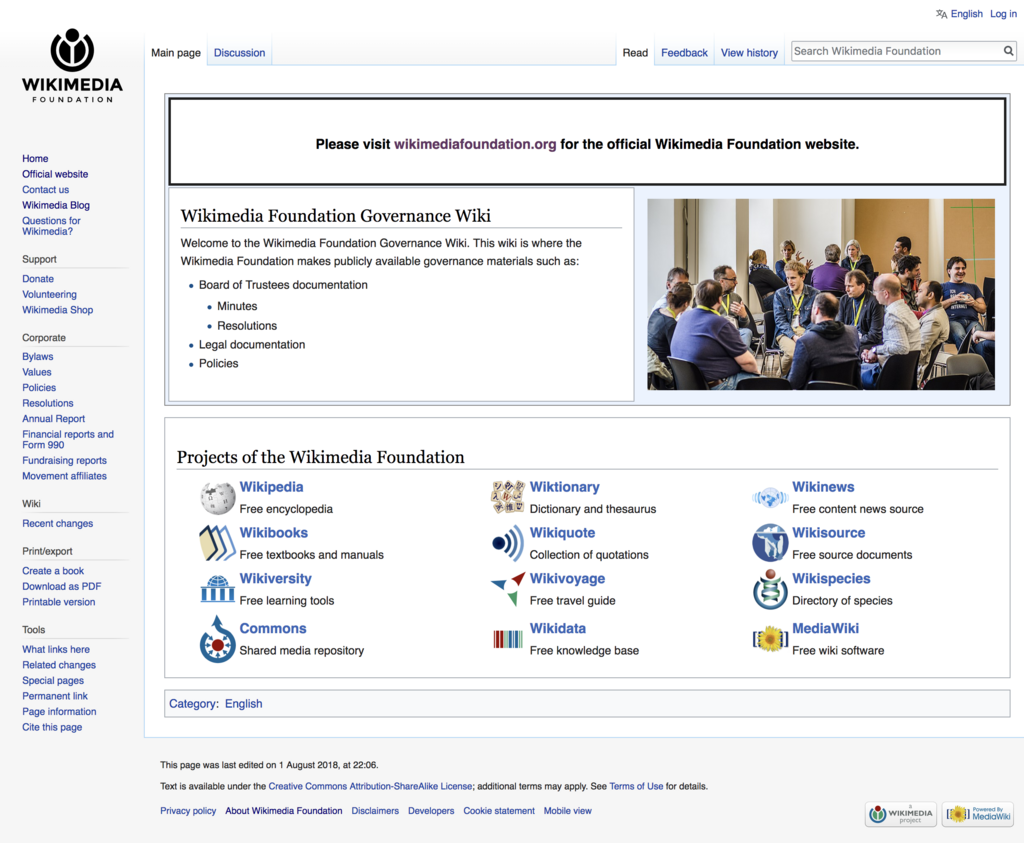
This separation of duties between the board (governance) and staff (management) is a hallmark of a well-run organization. It creates a system of checks and balances that helps prevent mismanagement.
Why Transparency Matters
Because charities receive special tax treatment and rely on public support, they have a high obligation to be transparent and accountable. Transparency means being open about how the organization operates, where its money comes from, and how it's spent. Accountability means taking responsibility for its actions and results.
Most registered charities are required to file an annual information return with the IRS, known as the Form 990. This document provides a detailed public snapshot of the organization's finances, programs, and governance. It lists the salaries of top executives and describes the charity's accomplishments for the year.
By making this information public, charities build trust with donors and the community. It shows they are stewarding their resources wisely and are committed to their mission. This foundational knowledge about a charity's purpose, legal status, and structure is the first step in making informed giving decisions.