Charity Vetting for Maximum Impact
Understanding Charitable Organizations
The World of Charities
When we hear the word “charity,” we often think of organizations that help people, animals, or the environment. That's true, but there's a more formal side to it. A charity, or nonprofit organization, is a group organized for a public or social benefit, and it operates under a special legal status that exempts it from paying certain taxes. This status isn't just handed out; it comes with specific rules and responsibilities.
The nonprofit sector is a diverse ecosystem. These organizations fill gaps that the government and private businesses can't or don't, addressing everything from local community needs to global challenges.
Three Flavors of Nonprofits
Not all charities are structured the same way. The most common type is the public charity. Think of organizations like the American Red Cross, your local food bank, or a public university. They get their funding from a wide range of sources, including the general public, government grants, and private foundations. This broad base of support is what makes them “public.”
Next are private foundations. These are typically controlled and funded by a single source, like a family, an individual, or a corporation. The Bill & Melinda Gates Foundation is a famous example. While they often support the work of public charities by giving them grants, their funding structure is narrow and private. Because of this, they face stricter operating rules.
Finally, there are social welfare organizations and advocacy groups. These are also tax-exempt, but they have more freedom to participate in political lobbying and advocacy to advance their missions. While a public charity can do some lobbying, it can't be its main activity. For a social welfare organization, influencing legislation might be its core purpose.
| Organization Type | Primary Funding Source | Political Activity |
|---|---|---|
| Public Charity | The general public, government | Limited |
| Private Foundation | A single individual, family, or corporation | Highly restricted |
| Social Welfare Organization | Varies; often member dues or contributions | Can be a primary focus |
Becoming Official
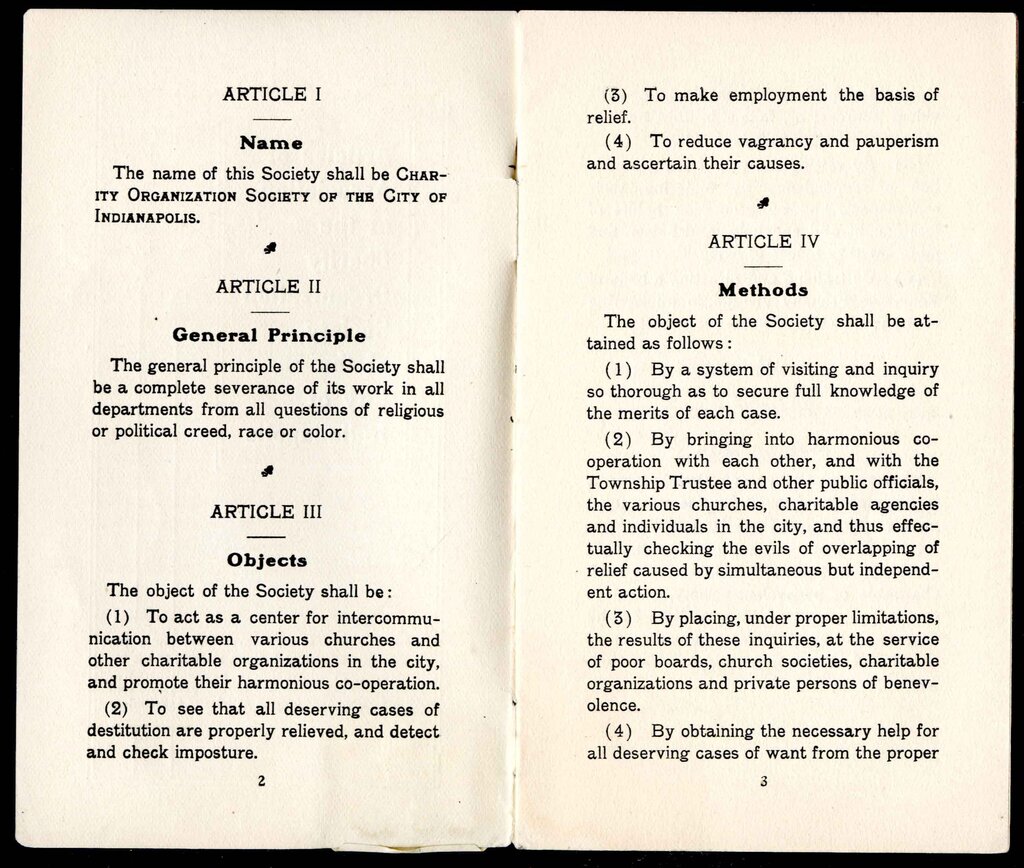
An organization doesn't just decide to be a charity. It has to be legally formed and recognized by the government. The first step is usually incorporating at the state level, which involves creating governing documents like articles of incorporation and bylaws. These documents lay out the organization's purpose, structure, and rules of operation.
After incorporating, the organization typically applies to the IRS for tax-exempt status. For most public charities and private foundations, this means becoming a 501(c)(3) organization, a reference to the section of the U.S. tax code that grants the exemption. This is a crucial step, as it's what makes donations to the charity tax-deductible for the donor.
Getting 501(c)(3) status is just the beginning. Charities must follow strict rules to keep it, including filing an annual information return with the IRS.
Compliance doesn't end with the IRS. Most states also require charities to register before they can solicit donations from the public. These state-level regulations are designed to protect donors from fraudulent organizations. Charities that operate in multiple states often have to register in each one, creating a complex web of compliance they must navigate to do their work.
What is the main difference between a public charity and a private foundation?
An organization that wants to make influencing legislation its primary activity would most likely be formed as a ______.