Charity Vetting for Impact
Understanding Charitable Organizations
What Makes an Organization Charitable?
At its core, a charitable organization exists to serve a public good. Instead of making a profit for owners or shareholders, it uses its resources to advance a specific mission. That mission could be anything from providing disaster relief and funding medical research to supporting the arts or protecting the environment.
These groups are often called nonprofits, but that term can be a bit misleading. Charities can and do make a profit, or what's more accurately called a surplus. The key difference is what they do with that money. Any surplus is reinvested back into the organization's mission, not distributed to private individuals.
Charitable Organization
noun
A nonprofit, non-governmental entity organized for purposes beneficial to the public interest.
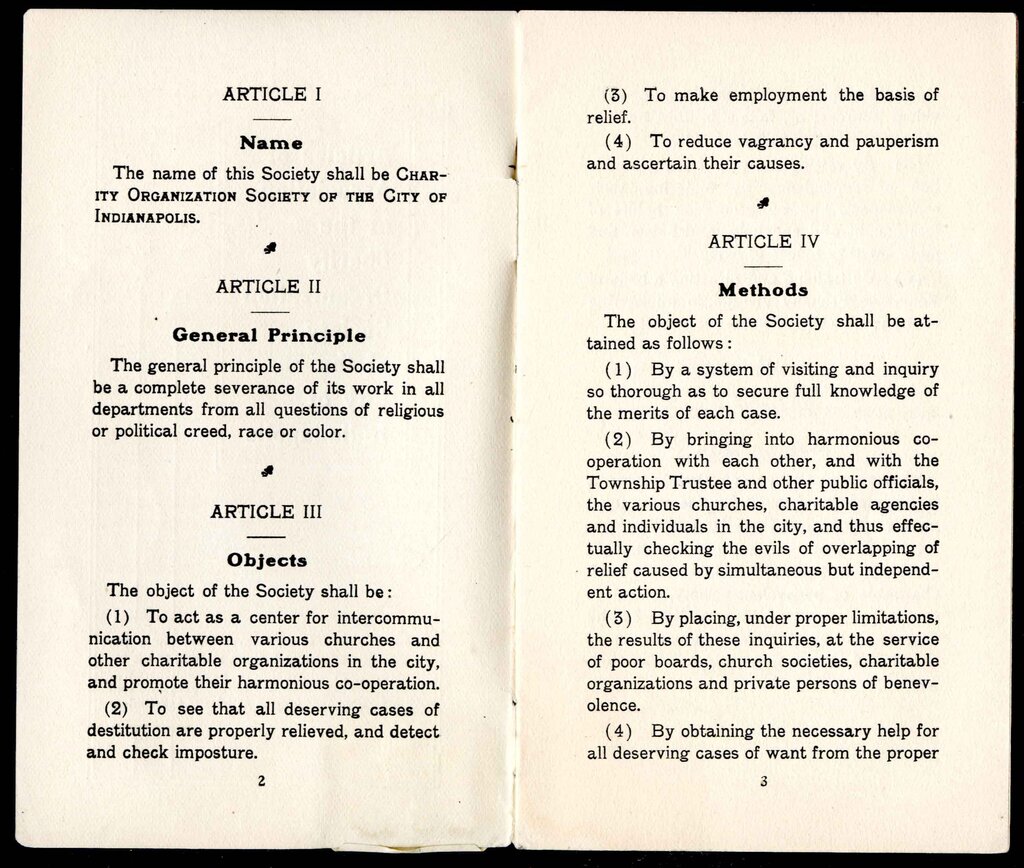
The goals of a charity are laid out in its founding documents. These papers define the organization's purpose, how it will be governed, and how it will operate to achieve its aims. They serve as a roadmap for the organization and a promise to the public about its intentions.
Public vs. Private Charities
Not all charities operate in the same way. The two most common types are public charities and private foundations, and the main difference between them is where they get their money.
A public charity gets a significant portion of its funding from the general public, the government, or a combination of many different sources. Think of organizations like Doctors Without Borders, your local food bank, or a public university. They have broad public support and are directly engaged in charitable work.
A private foundation, on the other hand, usually gets its money from a single source, like an individual, a family, or a corporation. The Bill & Melinda Gates Foundation is a well-known example. These foundations often fulfill their mission by making grants to public charities rather than running their own programs directly.
| Feature | Public Charity | Private Foundation |
|---|---|---|
| Primary Funding | Broad public, government | Single individual, family, or company |
| Main Activity | Runs its own charitable programs | Makes grants to public charities |
| Examples | American Red Cross, Habitat for Humanity | Ford Foundation, Rockefeller Foundation |
The Legal Side
For an organization to be officially recognized as a charity and receive certain benefits, it needs to have a specific legal status. In the United States, the most common designation for charitable nonprofits is 501(c)(3) status.
This term refers to a section of the U.S. Internal Revenue Code. Earning this status means the organization is exempt from paying federal income tax. It also means that donations made to the organization are typically tax-deductible for the donor, which is a major incentive for people to give.
Achieving 501(c)(3) status is a critical step for a charity. It provides financial benefits and signals to the public that the organization has met specific legal requirements for its charitable purpose and structure.
This legal framework ensures that charitable organizations are accountable and operate for the public benefit rather than private gain. Now, let's check your understanding of these core concepts.
When a charitable organization generates more revenue than it spends in a year, this financial gain is called a surplus. What is required to happen with this surplus?
What is the primary factor that distinguishes a public charity from a private foundation?