Charity Evaluation for Impact
Understanding Charitable Organizations
What Makes a Charity a Charity?
At its heart, a charitable organization is a group dedicated to a public good. Instead of operating to make money for owners or shareholders, it exists to fulfill a specific mission, whether that's feeding the hungry, protecting the environment, or supporting the arts. All the money it raises or earns goes back into running its programs and pursuing that mission.
This is the core idea behind the term "non-profit." The organization isn't designed for private financial gain.
To be officially recognized, these organizations must meet legal standards set by the government. This legal status is important. It's what separates a formal charity from an informal group of people trying to do good. This recognition comes with specific rules and responsibilities about how they operate, how they're governed, and how they handle their finances.
The Alphabet Soup of Legal Status
In the United States, when people talk about charities, they're usually referring to 501(c)(3) organizations. This is a section of the U.S. tax code, and it's the most common designation for public charities and private foundations.
What does it mean? In short, it means the government has granted the organization tax-exempt status. Because the charity is serving a public function, it doesn't have to pay taxes on its income. This allows more of its resources to go directly toward its mission.
For donors, this status is crucial. It means that donations made to a 501(c)(3) organization are generally tax-deductible. This encourages public giving and is a key way that governments support the work of the charitable sector. While there are other types of non-profits, the 501(c)(3) is the one most people encounter.
Who's in Charge?
A charity isn't a free-for-all. It has a formal governance structure to ensure it stays on track and uses its resources responsibly. The ultimate authority rests with a Board of Directors or a Board of Trustees.
Board members are typically unpaid volunteers who have a legal and ethical duty to steer the organization. They hire and oversee the executive staff, set the overall strategy, and monitor the charity's financial health. They act as guardians of the mission on behalf of the public.
The day-to-day work is carried out by paid staff, led by an Executive Director or CEO, who manage programs, raise funds, and handle administrative tasks. This structure creates a system of checks and balances.
The Importance of Being Open
Because charities receive public support and tax benefits, they have a special obligation to be transparent and accountable. Transparency means operating in an open way, so that anyone can see how the organization is run and how it uses its money. Accountability means taking responsibility for its actions and results.
This is more than just a nice idea; it's a legal requirement. In the U.S., for example, most tax-exempt non-profits must file an annual information return with the IRS called the Form 990. This document provides a detailed public snapshot of the organization's mission, programs, and finances, including how much its top executives are paid. Many charities also publish annual reports or post financial statements on their websites.
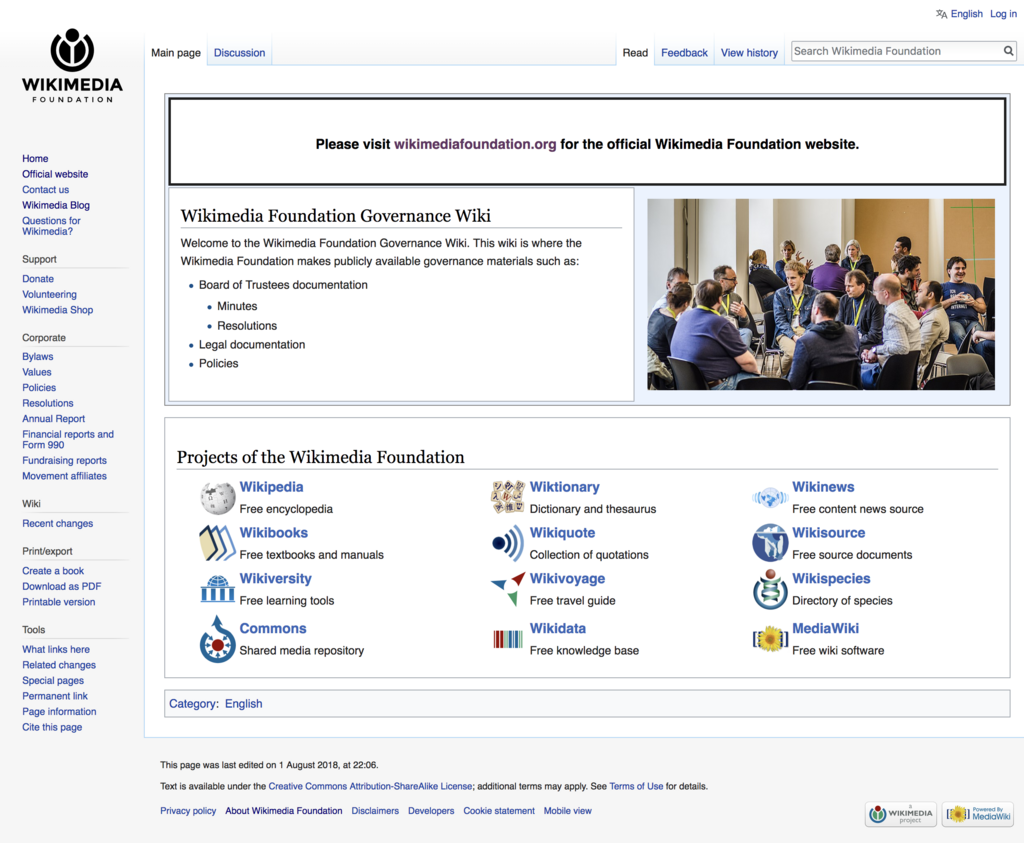
This commitment to openness is the bedrock of donor trust. Without it, there's no way to know if a charity is truly serving its mission or just taking advantage of public generosity. Understanding this foundation of governance and transparency is the first step in making informed decisions about where to give.