Chariots and Conspiracies of Thailand
Ayutthaya Strategic Collapse
The Unbreakable Siege
For centuries, the city of Ayutthaya seemed impregnable. Built on an island at the confluence of three rivers, its defence was bolstered by annual monsoons. When invaders came, the city would simply wait. The rising waters would swamp enemy camps, ruin their supplies, and force a retreat. This “wait for the flood” doctrine was central to Ayutthaya’s military thinking.
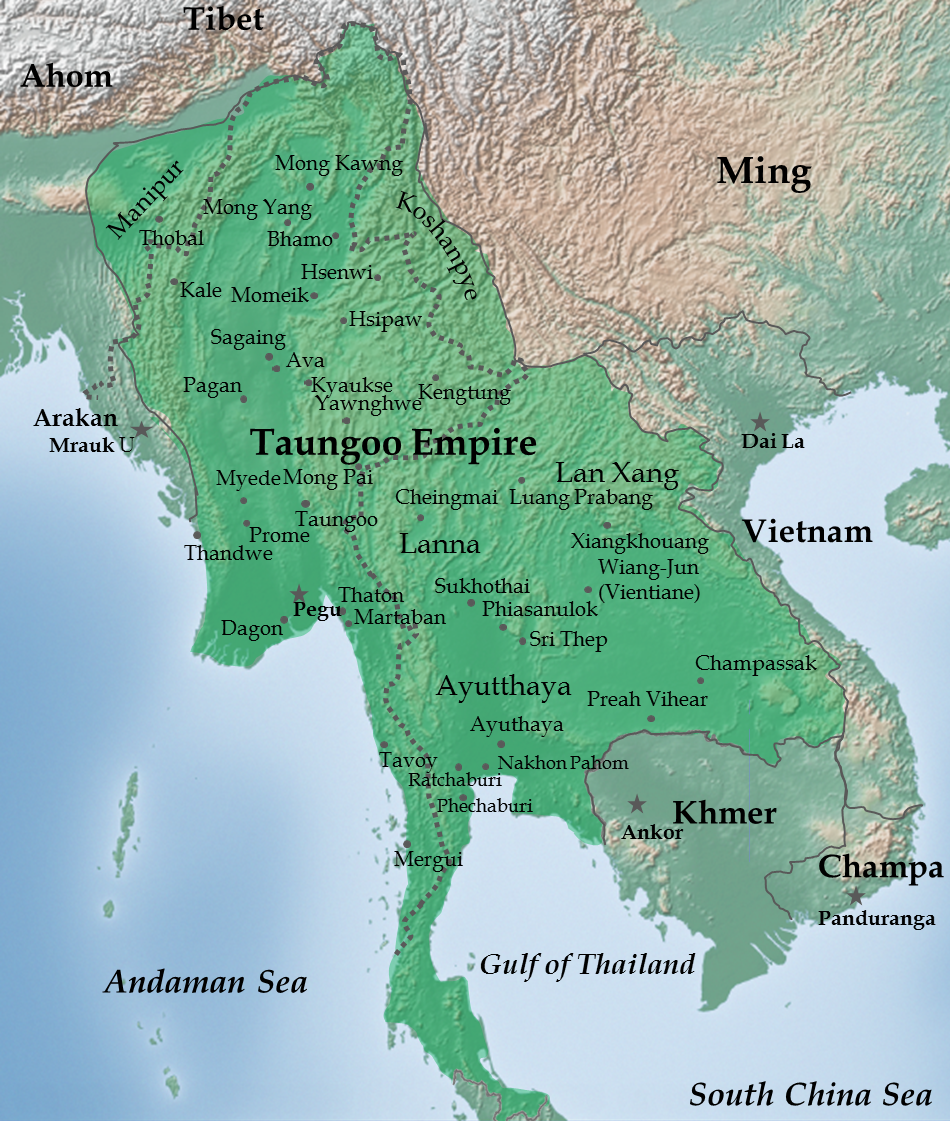
This strategy was underpinned by a political structure known as the , a web of tributary states and vassals that created a deep buffer zone around the capital. An enemy would have to fight its way through these peripheral territories long before reaching the heart of the kingdom. But in the mid-18th century, a new power arose in Burma: the aggressive and highly centralised . They were not interested in playing by the old rules.
The Pincer Closes
In 1765, the Burmese launched a campaign of unprecedented scale and sophistication. Instead of a single, predictable line of attack through the buffer states, they employed a two-pronged pincer movement. One army advanced from the north, and another from the south, converging on the capital.
This strategy completely bypassed Ayutthaya’s traditional defences. The tributary states, long neglected and militarily weak, were unable to offer meaningful resistance. The two Burmese armies swept through the provinces, brushing aside the fractured local forces and preventing them from mobilising to aid the capital. The kingdom’s hyper-centralised defensive strategy, which relied on the power of the core, now proved to be its greatest weakness.
By attacking from two directions at once, the Burmese prevented Ayutthaya from concentrating its forces and effectively neutralised the Mandala buffer system.
When the Burmese armies reached Ayutthaya, they did something unthinkable: they didn't leave. As the monsoon season arrived, the Ayutthayan court waited for the floods to work their magic. But the Burmese forces were prepared. They had established high-ground camps, built supply depots, and were fully equipped for a prolonged siege. The logistical superiority of the Burmese shattered Ayutthaya's centuries-old defensive doctrine. The floodwaters rose, but the enemy remained.
Rot from Within
As the siege tightened, the political decay within Ayutthaya became fatally apparent. Decades of internal factionalism and power struggles among the nobility had weakened the court and eroded military readiness. Provincial lords, who were supposed to send levies to defend the capital, were either unable or unwilling to break through the Burmese encirclement.
The chain of command was in disarray. The hyper-centralised system meant that without clear direction from a unified court, the vast resources of the kingdom could not be brought to bear. The capital, once the source of all power, was now isolated and left to fend for itself.
The fall of Ayutthaya marked a pivotal moment in the history of ancient Thai civilizations, signalling the end of a thriving kingdom that once wielded extensive influence in Southeast Asia.
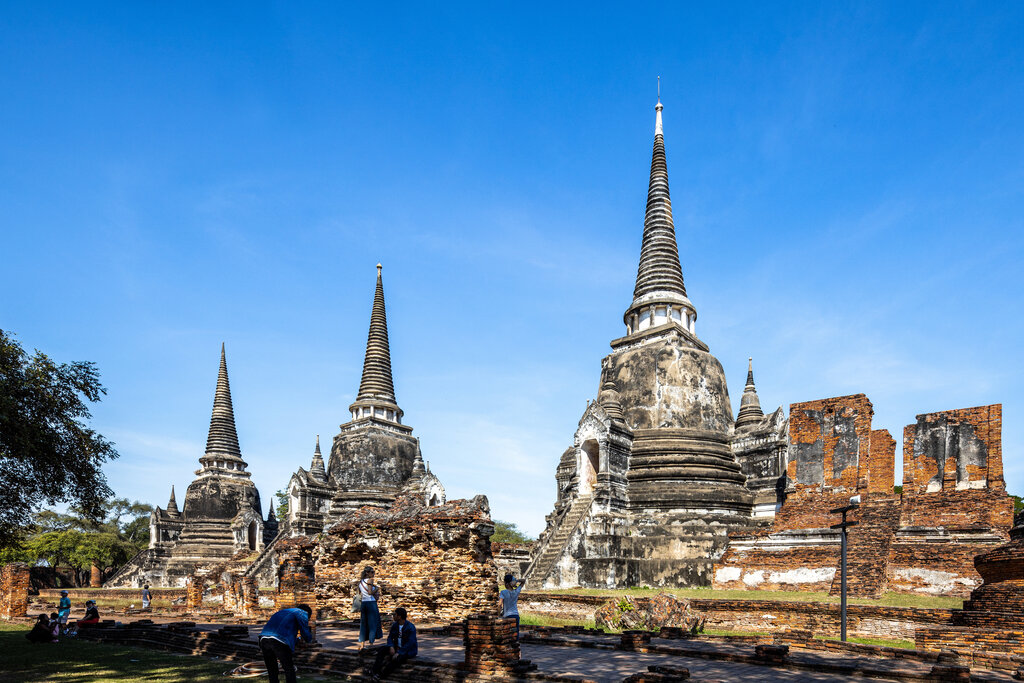
After a 14-month siege, the city's formidable walls were breached in April 1767. The Burmese forces poured in, and the result was the total destruction of one of Southeast Asia's most magnificent cities. The strategic complacency of relying on geography, combined with the political decay of its ruling class, had led to a catastrophic and complete collapse.
Now, let's test your understanding of these strategic failures.
What was the cornerstone of Ayutthaya's traditional military defence strategy?
How did the Konbaung dynasty's military strategy neutralise Ayutthaya's 'Mandala system' of defence?