Changing a Flat Tire
Understanding Tire Basics
More Than Just Rubber
At a glance, a tire seems simple. It's a black, rubber donut that holds air. But it's actually a complex piece of engineering, built from layers of rubber, steel, and fabric. Understanding its basic parts helps you understand how it works and what can go wrong.
Here’s a quick rundown of the main components:
- Tread: This is the part that grips the road. Its grooves and patterns are designed to channel water, snow, and mud away, maintaining traction.
- Sidewall: The side of the tire. It provides stability and contains important information like tire size and type.
- Bead: A high-strength steel cable coated in rubber. It creates an airtight seal between the tire and the wheel rim.
- Inner Liner: The innermost layer of a modern tubeless tire. It's a special rubber that holds the air in, acting like a built-in inner tube.
The Right Tire for the Job
Not all tires are created equal. Different vehicles and climates demand different types of tires. Using the right one is crucial for safety, performance, and fuel efficiency. The three most common types are all-season, winter, and performance.
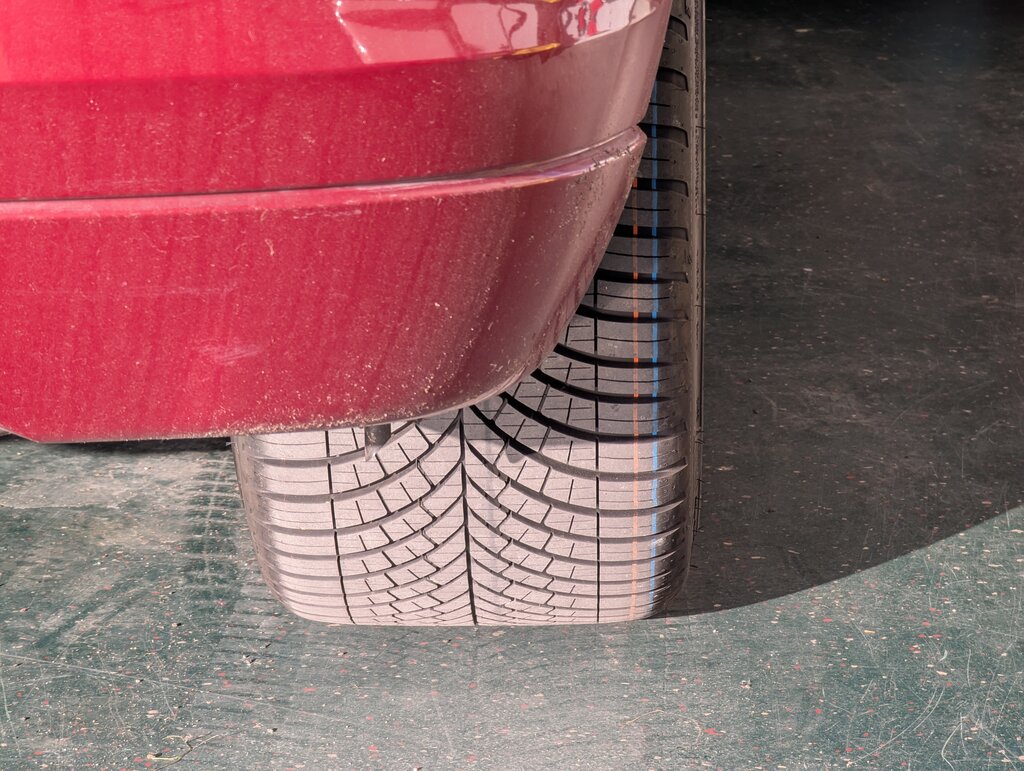
Each type uses a different rubber compound and tread pattern to excel in specific conditions.
| Tire Type | Best For | Key Feature |
|---|---|---|
| All-Season | General year-round use | Moderate tread depth, versatile rubber |
| Winter | Snow and ice | Deep treads and soft rubber that stays flexible in the cold |
| Performance | Sporty handling in dry/wet conditions | Softer rubber for better grip, wider profile for stability |
Choosing the right tire depends on where you live and how you drive. All-season tires are a good compromise for most people in moderate climates. If you face harsh winters, dedicated winter tires are a much safer choice. Performance tires are typically for drivers who prioritize handling and speed in fair weather.
Essential Maintenance
Maintaining proper tire inflation is an essential part of general car maintenance.
Your tires need regular attention to perform their best. Two simple checks can save you a lot of trouble: monitoring air pressure and tread depth.
Tire pressure is measured in pounds per square inch, or PSI. Both over-inflation and under-inflation are bad. An under-inflated tire flexes too much, building up heat and wearing out unevenly. An over-inflated tire has a smaller contact patch with the road, reducing traction and creating a harsher ride.
Your vehicle has a recommended PSI, which you can find on a sticker inside the driver's side door jamb. Check your tire pressure at least once a month when the tires are cold (before you've driven).
Tread depth is just as important. The tread is what gives your tire its grip. As it wears down, its ability to channel water diminishes, increasing the risk of hydroplaning on wet roads. In most places, the minimum legal tread depth is 2/32 of an inch.
A simple way to check this is with a penny. Insert it into a tread groove with Lincoln's head upside down. If you can see all of his head, your tread is worn and the tire needs to be replaced.
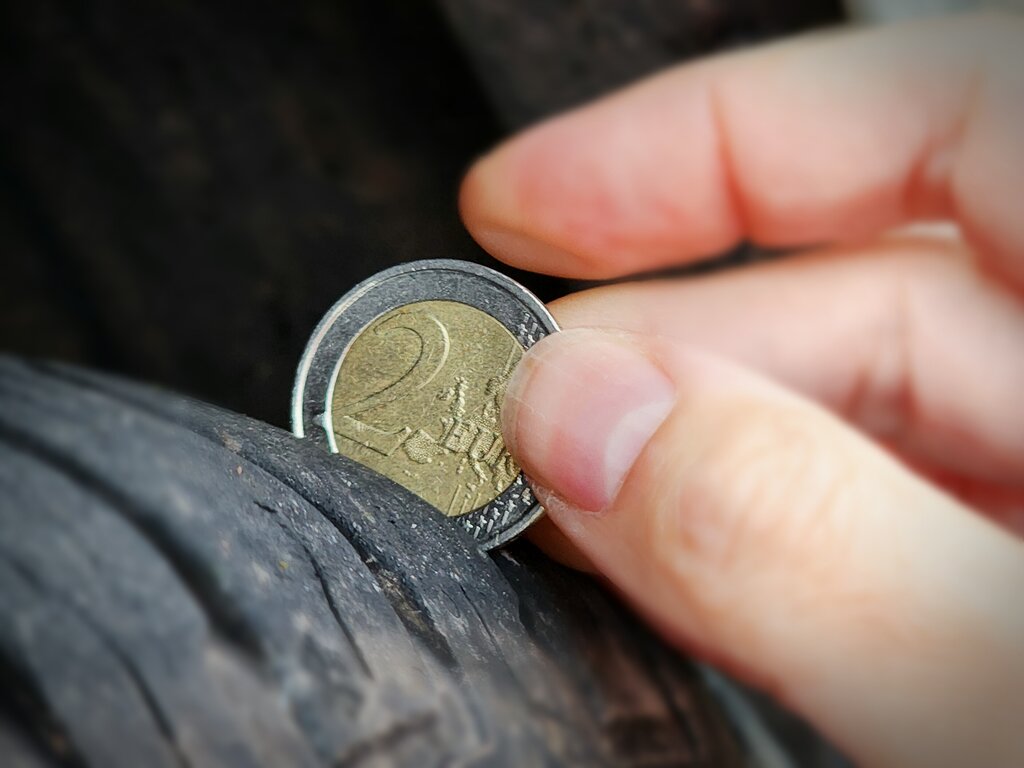
A little bit of attention goes a long way. Keeping your tires properly inflated and replacing them when the tread is worn are two of the most important safety checks you can perform on your vehicle.
Ready to test your knowledge?
Which part of the tire is primarily responsible for creating an airtight seal against the wheel rim?
A driver who prioritizes high-speed handling and cornering in dry, summer conditions would be best served by which type of tire?
Knowing these basics sets you up for handling tire issues with confidence.