CFM56-7B Engine Operations
Introduction to Turbofan Engines
How a Turbofan Works
A turbofan engine is a type of jet engine that powers most modern airliners. At its core, it's a gas turbine, but with a giant fan at the front. This fan is the key to its success.
The basic principle is often described as "suck, squeeze, bang, blow." The engine sucks in air, compresses it, ignites it with fuel, and then blows the hot gas out the back. But the magic of the turbofan is that it does this in two different ways at the same time.
Most of the air pulled in by the giant fan doesn't even enter the engine core. It bypasses it, flowing through a duct around the outside. This cooler, slower-moving air is responsible for the majority of the engine's thrust.
The rest of the air enters the core, where the real heat is generated. Let's follow its path.
A Journey Through the Core
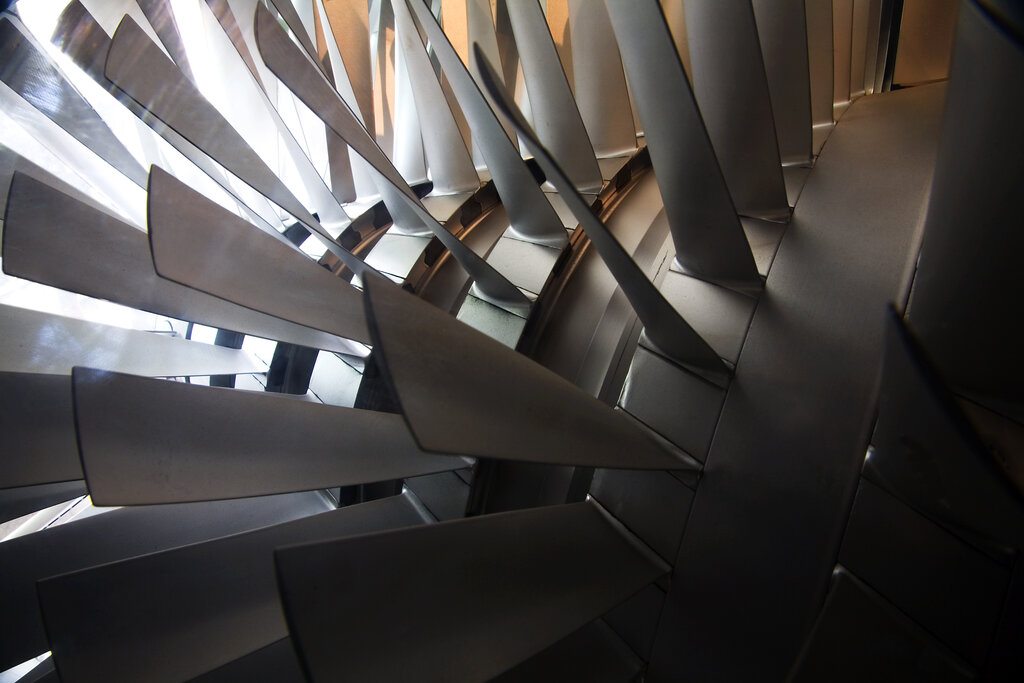
First, the air is squeezed by a series of spinning blades in the compressor sections. There are typically two: a low-pressure compressor followed by a high-pressure one. Compressing the air raises its pressure and temperature, packing more oxygen molecules into a smaller space. This makes the fuel burn more efficiently later on.
Next, this highly compressed air enters the combustor. Here, it's mixed with a fine mist of jet fuel and ignited. This isn't a series of explosions like in a car engine; it's a continuous, controlled burn, creating a torrent of hot, high-pressure gas that needs to escape.
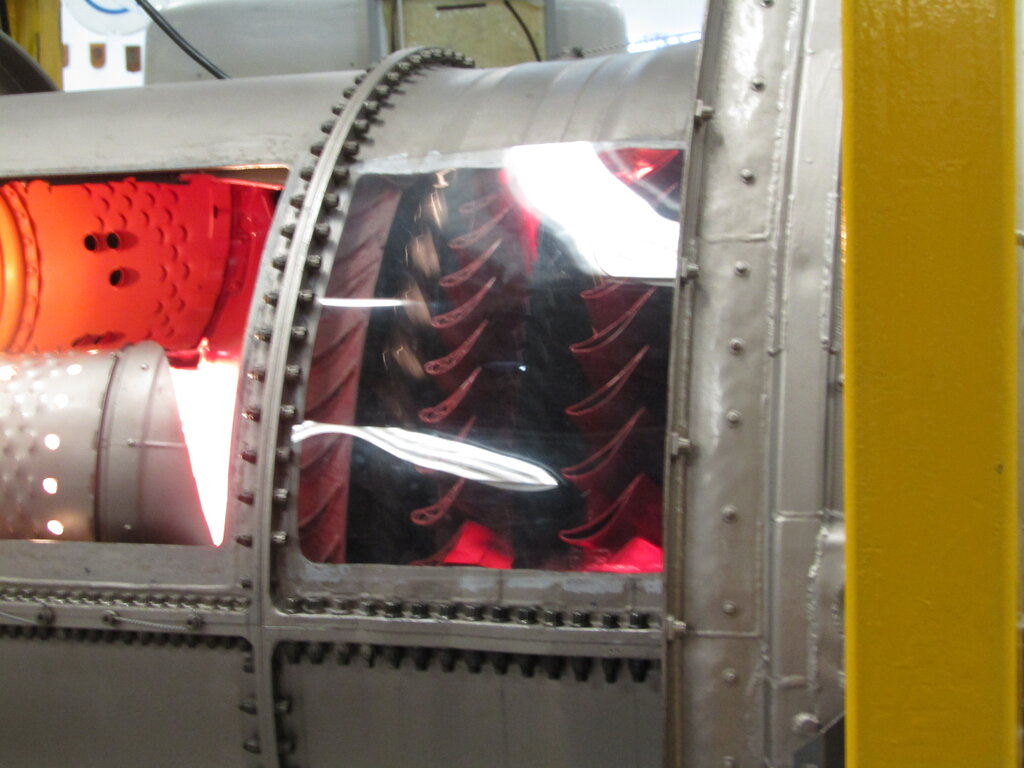
The only way out is through the back, past another series of bladed wheels called turbines. The rushing gas spins these turbines like a pinwheel in the wind. This is the crucial energy transfer: the turbines are connected by shafts to the compressors and the fan at the front, providing the power to keep the whole cycle going.
Finally, the hot gas exits through the exhaust nozzle at a very high speed, providing the last bit of thrust.
The Power of Bypass
So why go to all the trouble of sending most of the air around the core?
It comes down to physics. To generate thrust, you have to throw mass backward. You can either throw a small amount of mass very fast (like a pure turbojet) or a large amount of mass more slowly. For the speeds commercial airliners fly, the second option is far more fuel-efficient.
The bypass air, while slower, has much more mass than the hot gas from the core. This massive column of bypassed air produces up to 80% of a modern turbofan's thrust.
This design has another major advantage: noise reduction. The jet blast from a pure turbojet is incredibly loud. In a turbofan, the cooler, slower bypass air acts like a blanket, mixing with and muffling the roar of the hot exhaust from the core. This makes turbofans significantly quieter, which is a huge benefit for airports and the communities around them.
What is the primary source of thrust in a modern high-bypass turbofan engine?
In the common description of a jet engine's operation, "suck, squeeze, bang, blow," which component is responsible for the "squeeze" stage?
By moving a large volume of air, turbofans achieve a blend of power, efficiency, and quiet operation that makes them ideal for modern aviation.