Cervicogenic Dizziness Explained
Introduction to Cervicogenic Dizziness
What is Cervicogenic Dizziness?
Cervicogenic dizziness is a feeling of disorientation or unsteadiness that comes from a problem in your neck. The term “cervicogenic” simply means “originating from the cervical spine.” Unlike other types of dizziness that stem from issues with the inner ear or brain, this particular kind is directly linked to neck pain and stiffness.
Essentially, when your neck isn't functioning correctly, it can send faulty signals to your brain, leading to a sense of dizziness.
A Look at Your Neck's Anatomy
Your neck, or cervical spine, is a complex and vital structure. It’s made up of seven small bones called vertebrae, stacked on top of each other and labeled C1 through C7. C1, the uppermost vertebra, is called the atlas and supports the skull. C2, the axis, allows your head to turn from side to side.
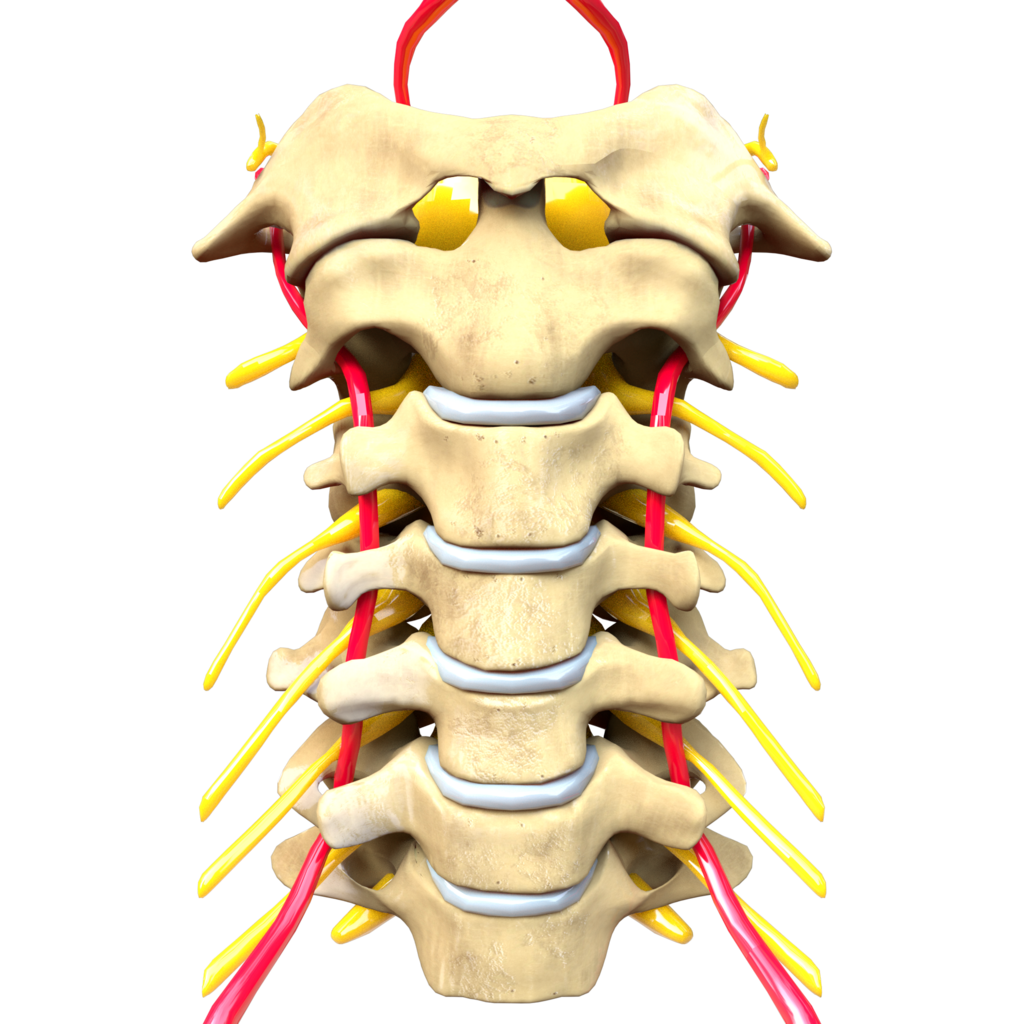
Between these vertebrae are soft, gel-like discs that act as shock absorbers. The bones are connected by ligaments, and an intricate network of muscles allows for movement and provides stability. Crucially, this area is rich with nerves that transmit information between your brain and the rest of your body.
The Neck's Role in Balance
Your sense of balance isn't just about your inner ear. It's a team effort, relying on three main sources of information: your eyes (visual system), your inner ear (vestibular system), and your body's awareness of its position in space (proprioception). The cervical spine is a major player in proprioception.
proprioception
noun
The body's ability to sense its own position, movement, and actions in space.
Tiny sensors in the muscles and joints of your neck constantly send signals to the brain about your head's position and movement. Your brain combines this information with input from your eyes and inner ears to create a stable sense of where you are. If all three signals match, you feel balanced. If they don't, you feel dizzy.
Common Symptoms
When injury, arthritis, or even poor posture affects the cervical spine, it can disrupt those crucial proprioceptive signals. This creates a sensory mismatch—the information from your neck no longer agrees with the information from your eyes and inner ears. Your brain gets confused, and the result is dizziness.
The key symptoms of cervicogenic dizziness often include:
- Dizziness related to neck movement: The feeling often gets worse when you turn your head, look up, or maintain a certain neck position for too long (like working at a computer).
- Neck pain and stiffness: This is a hallmark of the condition. The dizziness is almost always accompanied by some form of neck discomfort.
- Headaches: Often, these are tension-type headaches that start at the base of the skull and radiate to the front of the head.
- Unsteadiness: You might not feel like the room is spinning (vertigo), but more like you're on a boat or just generally off-balance.
It's important to understand how this differs from other common causes of dizziness. A key distinction is the direct link between neck movements or pain and the onset of dizziness.
| Feature | Cervicogenic Dizziness | Other Common Types (e.g., BPPV) |
|---|---|---|
| Primary Trigger | Neck movement, sustained neck positions, neck pain. | Specific head position changes (like rolling over in bed). |
| Dizziness Sensation | General unsteadiness, lightheadedness. | Intense, brief spinning (vertigo). |
| Duration | Can be constant or last for hours. | Typically lasts less than a minute. |
| Associated Symptoms | Neck pain, stiffness, headache. | Nausea, vomiting; no neck pain. |
Because dizziness can be a symptom of many different conditions, it's crucial not to self-diagnose. Understanding the characteristics of cervicogenic dizziness is the first step, but a healthcare professional can help confirm the cause and rule out other possibilities.