Ceremonial Magic Esoterica
Introduction to Ceremonial Magic
What is Ceremonial Magic?
Ceremonial magic, often called high magic, is a structured and disciplined approach to magic. It's not about pulling rabbits out of hats. Instead, it uses elaborate rituals to connect with higher spiritual forces, explore consciousness, and transform the self. Think of it as a blend of spiritual practice, psychology, and performance art, all guided by ancient traditions.
Theurgy
noun
A practice of rituals intended to invoke or summon the action or presence of one or more deities, with the goal of uniting with the divine and achieving spiritual insight.
The core purpose is to create change in alignment with one's will. This might involve invoking deities, communicating with spiritual entities like angels or elementals, or seeking personal enlightenment. Unlike simpler forms of magic, it relies on complex ceremonies that are precisely planned and executed.
A Journey Through Time
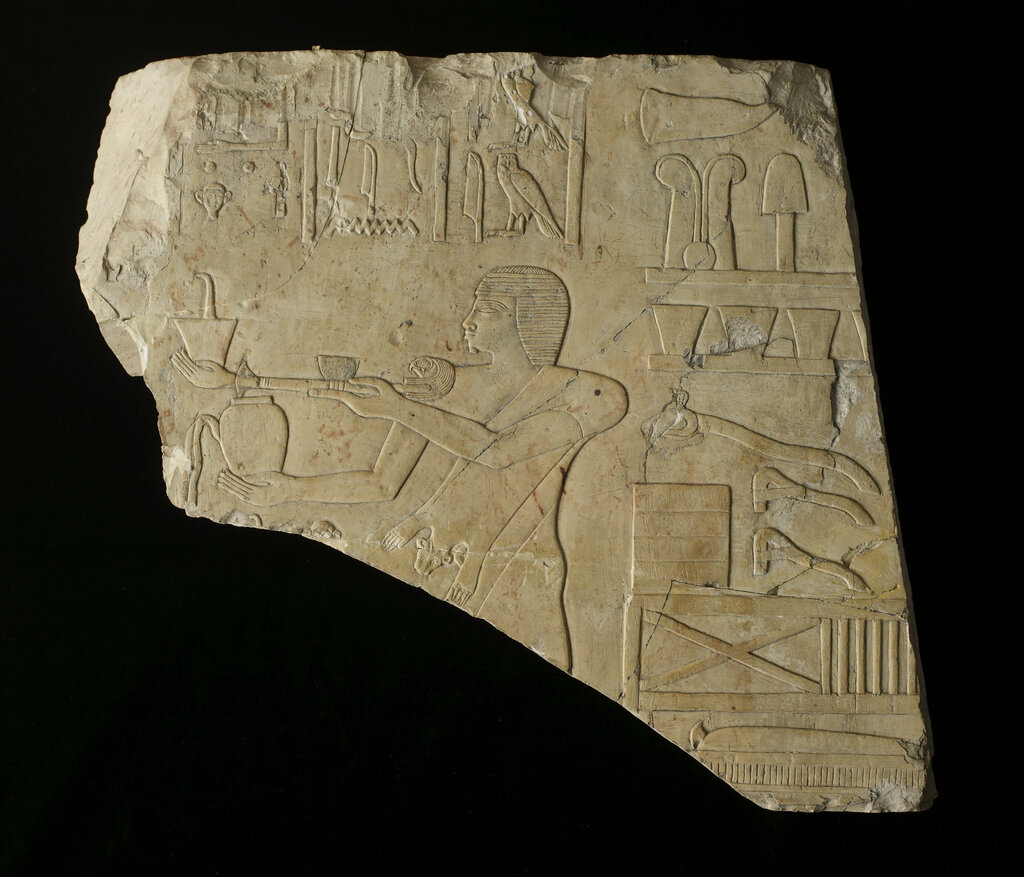
The roots of ceremonial magic stretch back to the ancient world. Priests in Egypt and Greece performed intricate rites in their temples, practicing a form of magic called theurgy, or "god-work." These early rituals laid the groundwork for many Western magical traditions.
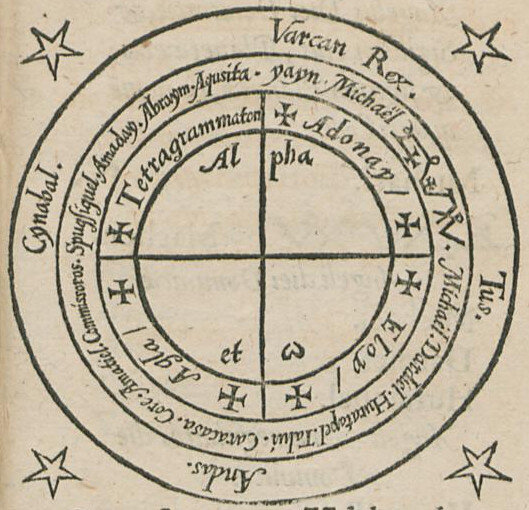
During the Renaissance in Europe, interest in these ancient practices surged. Scholars rediscovered classical texts, leading to the development of Hermeticism and Christian Qabalah. This period also saw the creation of famous grimoires, or textbooks of magic, like the Key of Solomon. These books contained detailed instructions for summoning spirits and performing magical operations.
The tradition was revived again in the late 19th century with the rise of esoteric orders like the Hermetic Order of the Golden Dawn. This highly influential group systematized magical knowledge from various sources into a coherent curriculum, shaping nearly all modern ceremonial magic.
The Heart of the Ritual
Rituals are the cornerstone of ceremonial magic. Each element of a ceremony is rich with symbolism and designed to focus the magician's mind and will. Key components often include a special location, specific tools, and carefully worded incantations.
The magician's primary tool is a focused and disciplined consciousness. All physical tools are simply aids to achieve this state.
The magic circle is one of the most well-known elements. It isn't meant to trap a spirit, but to create a sacred space, a temporary temple that stands between the physical and spiritual worlds. It defines the working area and provides psychological and spiritual protection.
Magicians also use a variety of tools, each with specific symbolic associations. These aren't inherently magical but are consecrated and used to help direct intention.
| Tool | Element | Purpose |
|---|---|---|
| Wand | Fire/Air | To direct will and invoke forces |
| Cup | Water | Represents intuition and receptivity |
| Sword | Air/Fire | To banish unwanted energies and enforce will |
| Pentacle | Earth | Represents manifestation and the material world |
The actions performed in a ritual are also symbolic. Invocation is the act of calling a spiritual force or consciousness into the magician, to experience its qualities directly. Evocation, on the other hand, is calling a spirit to appear externally within the magic circle, often for communication or to request its aid.
How is it Different?
Ceremonial magic is often contrasted with folk magic or witchcraft. While there can be overlap, the distinction usually comes down to approach and source material.
Folk magic (or witchcraft) is more about the natural world and the Priest and Priestess are the leaders and parents of their coven and act as mediums, healers and teachers.
Folk magic tends to be more practical, intuitive, and earth-based. It often uses simple tools found in nature or the home and is passed down through local traditions. Ceremonial magic is typically more academic and eclectic. It draws from complex, often scholarly sources like the Qabalah, astrology, and ancient grimoires, emphasizing intricate rituals and a hierarchical understanding of the cosmos.
Ultimately, ceremonial magic is a path of self-discipline and spiritual exploration. It uses the power of symbol, ritual, and focused intent to navigate the inner and outer worlds.
What is the primary purpose of ceremonial magic as described in the text?
Which of the following best describes the main function of a magic circle in a ceremony?