Cerebral Cortex Functions
Cerebral Cortex Overview
The Brain's Outer Layer
The cerebral cortex is the outermost layer of your brain, a thin sheet of neural tissue that's responsible for most of our higher-level abilities. If you've ever seen a picture of a brain, the wrinkly, folded surface you're looking at is the cortex. These folds and grooves are a clever solution to a packing problem: they dramatically increase the surface area of the cortex, allowing more neurons to fit inside the skull.
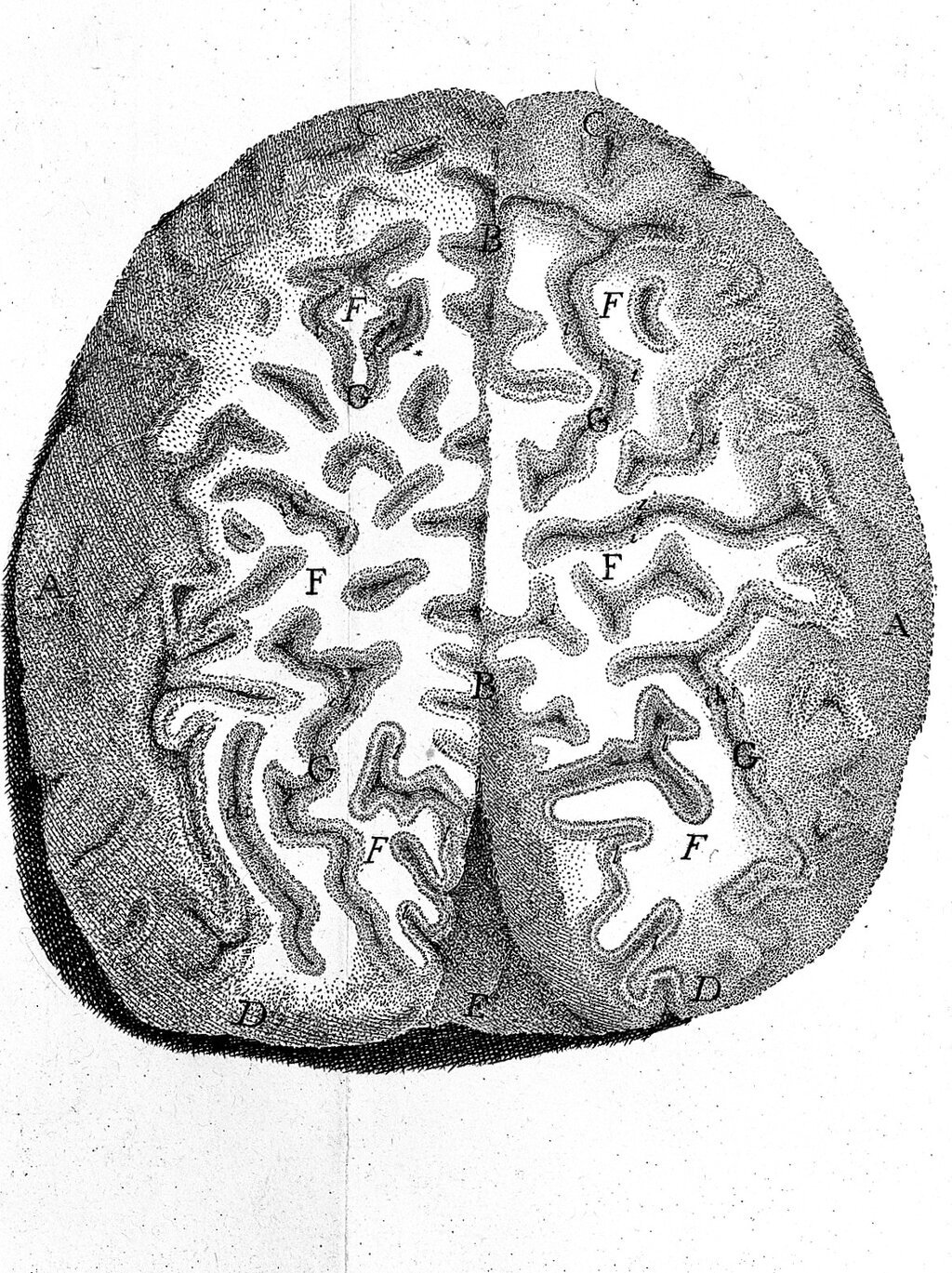
Think of it as the brain's executive suite. It processes information from your senses, initiates voluntary movements, and is the seat of your thoughts, language, and memory. Without it, we wouldn't be able to perform the complex cognitive tasks that define our experience.
The cerebral cortex is part of the cerebrum and is involved with almost all higher functions of the brain.
Hemispheres and Lobes
The cortex isn't one solid piece. It's divided right down the middle into two halves: the left and right cerebral hemispheres. A deep groove called the longitudinal fissure separates them. While they look like mirror images, they have specialized functions and communicate with each other through a thick bundle of nerve fibers called the corpus callosum.
Each hemisphere is further divided into four primary sections, known as lobes. These lobes are general areas, not rigidly separate compartments, and they work together seamlessly.
| Lobe | General Location |
|---|---|
| Frontal | At the front of the brain, behind the forehead. |
| Parietal | Near the top and back of the head. |
| Temporal | On the sides of the head, near the temples. |
| Occipital | At the very back of the brain. |
The Six Layers
If you were to look at a slice of the cerebral cortex under a microscope, you'd see that it's not a uniform mass. It's organized into six distinct layers, stacked on top of one another like layers of a cake. This structure is called the neocortex, which makes up about 90% of the cerebral cortex in humans.
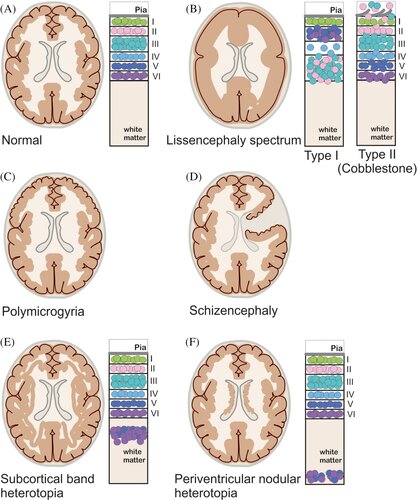
These layers, numbered I to VI from the outermost to the innermost, are not identical. Each layer has a different density of nerve cells and a unique mix of cell types. They also have different patterns of connections.
- Layers I, II, and III are primarily involved in making connections between different parts of the cortex.
- Layer IV is the main receiving station for information coming from our senses (like sight, sound, and touch).
- Layers V and VI are the primary output layers, sending commands out from the cortex to other parts of the brain and the body.
This layered organization is crucial for processing information in a systematic way. Sensory input arrives in one layer, gets processed and passed to other layers for more complex analysis, and finally results in an output command sent from yet another layer. It's a highly organized and efficient system for handling the constant flow of information.
This layered architecture allows the cortex to perform sophisticated computations by routing information up and down the stack, enabling everything from recognizing a face to understanding a sentence.
Now, let's test your understanding of the cerebral cortex.
What is the primary advantage of the extensive folds and grooves on the surface of the cerebral cortex?
Which structure serves as the primary communication bridge between the left and right cerebral hemispheres?