Celtic Pagan Weekly Practices
Introduction to Celtic Paganism
Ancient Roots, Modern Path
Celtic Paganism is a modern spiritual path inspired by the beliefs of the ancient Celtic peoples. These weren't one unified group, but a collection of tribes spread across Europe, from Ireland to Turkey, over two thousand years ago. Because they passed down their traditions orally, no single sacred text survived. What we know today comes from a mix of archaeology, accounts from Greek and Roman writers, and medieval literature from Ireland and Wales, which recorded older myths.
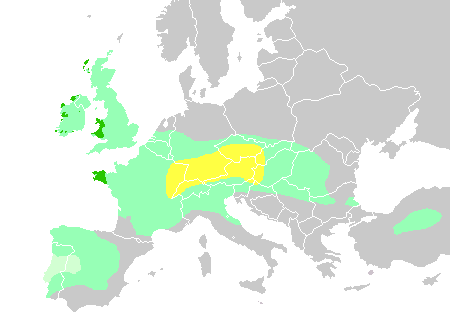
Modern Celtic Paganism, sometimes called Celtic Reconstructionism, isn't about perfectly recreating the past. It's a living faith that draws on historical sources to build a spiritual framework relevant to the present day. Practitioners piece together an understanding of the old gods, values, and worldview to inform their lives.
This path is about listening to the echoes of the past to find meaning in the now.
A World Alive with Spirit
At the heart of Celtic Paganism is the belief that the world is alive with spirit. This worldview can be understood through a few core ideas.
Polytheism: The belief in and worship of multiple gods and goddesses. These deities are not distant, all-powerful beings but complex figures associated with aspects of nature, human society, and skills like smithing or poetry.
Animism: The idea that all things, from rivers and mountains to trees and stones, possess a spiritual essence. This fosters a deep respect for the environment, seeing it not as a resource to be used, but as a community of living beings.
The Otherworld: An invisible realm that exists alongside our own, inhabited by gods, spirits, and ancestors. The barrier between these worlds is thin, especially at potent times of the year, allowing for interaction and influence.
Honoring ancestors is also a vital practice. They are seen as the foundation of one's lineage and a source of guidance and wisdom. They connect the individual to a deep and personal history, grounding them in a long chain of being.
Living with the Land
For Celtic Pagans, nature isn't just a backdrop for life; it is the source of spiritual connection and insight. The divine is not separate from the earth but woven into its very fabric. Deities are often tied to specific places, like a river goddess who embodies the water that flows through a valley, or a god of the forest who protects its inhabitants.
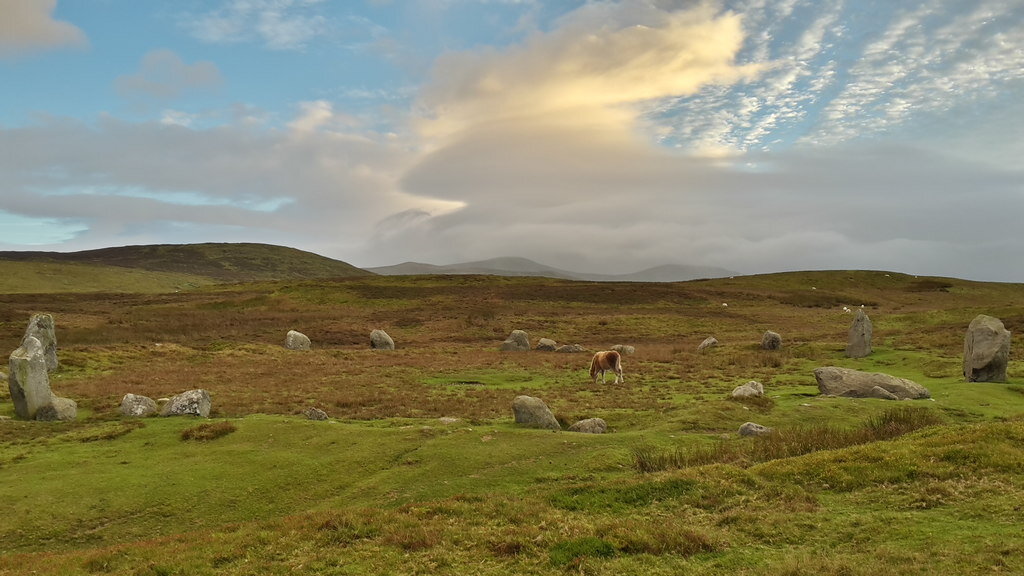
This leads to a spirituality centered on place and season. Living in tune with the cycles of the year, from the dark of winter to the long days of summer, is a fundamental part of the practice. It’s about paying attention to the local ecosystem, celebrating the changes in the land, and understanding your place within it.
This connection fosters core values like honor, reciprocity, and integrity. If the world is a community of spirits, you have a responsibility to act respectfully within it. This means keeping your word, maintaining balance in your relationships, and striving to live in a way that contributes to the well-being of the whole.
What is the primary goal of modern Celtic Paganism, often called Celtic Reconstructionism?
According to the text, why is there no single, unified sacred text for Celtic Paganism?