Cellular Respiration Fundamentals
Introduction to Redox Reactions
The Electron Dance
Many chemical reactions that power our bodies are like a simple trade. One molecule gives something away, and another accepts it. The currency being exchanged is the electron. This constant give-and-take of electrons is called a redox reaction, and it’s fundamental to how cells get and use energy.
Redox is a contraction of 'reduction and oxidation' and refers to reactions in which one molecule or ion is oxidised and the other reduced.
The terms can be a little confusing at first, but a simple mnemonic makes it easy: OIL RIG.
- Oxidation Is Loss (of electrons)
- Reduction Is Gain (of electrons)
When a molecule loses one or more electrons, it is oxidized. When a molecule gains one or more electrons, it is reduced. You can't have one without the other. If an electron is lost, something else has to gain it.
In this exchange, the particle that loses an electron becomes more positively charged, while the one that gains an electron becomes more negatively charged. Think of it as passing a tiny bit of negative energy from one molecule to another.
Agents of Change
In every redox reaction, there are two key players with specific roles: the oxidizing agent and the reducing agent.
-
A reducing agent is the electron donor. It's the substance that gives its electron away, causing the other substance to be reduced. In the process, the reducing agent itself gets oxidized.
-
An oxidizing agent is the electron acceptor. It's the substance that takes the electron, causing the other substance to be oxidized. In the process, the oxidizing agent itself gets reduced.
This might seem backwards, but just remember that the agent is named for what it does to the other molecule.
The reducing agent is oxidized. The oxidizing agent is reduced.
Redox in Biology
So why is this electron shuffling so important? Because the movement of electrons is a way to transfer energy. When you eat food, your body breaks down molecules like glucose. Through a series of carefully controlled redox reactions, the energy stored in the chemical bonds of glucose is released and captured.
This energy is then used to power everything you do, from thinking to moving to simply staying warm. Redox reactions are the engine of life, converting the energy from food into a form your cells can use.
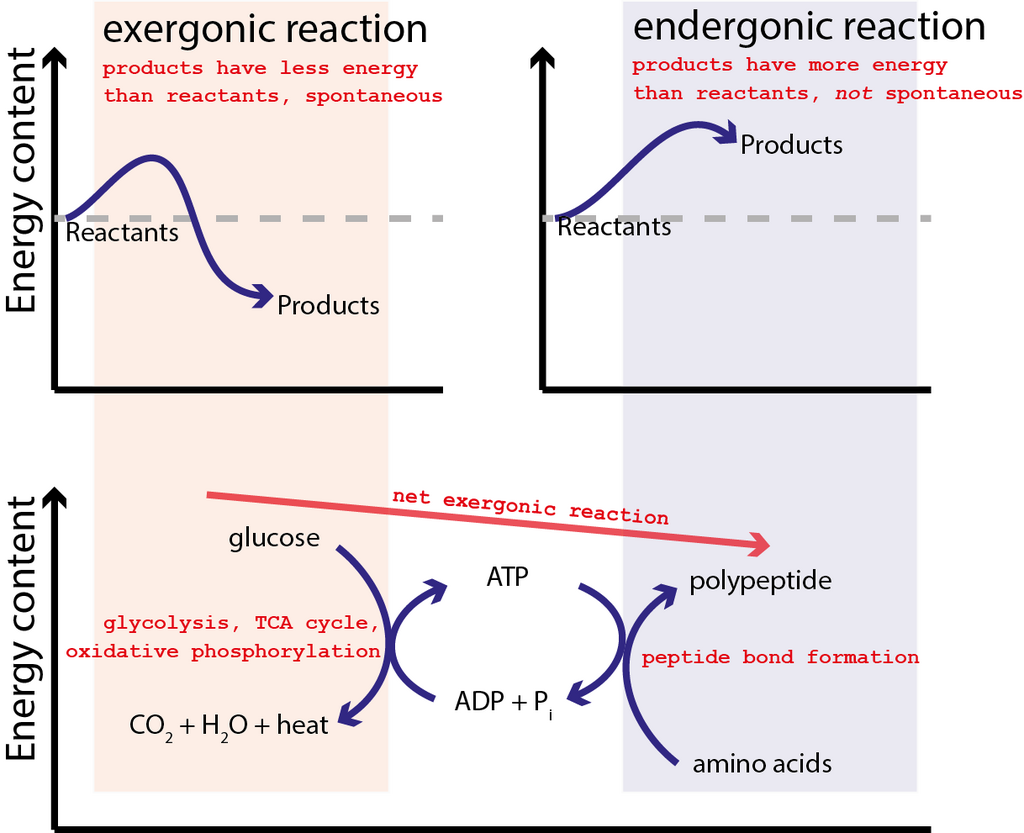
In the upcoming sections, we'll see exactly how this happens. For now, just focus on the core idea: oxidation is losing electrons, and reduction is gaining them. This simple exchange is the key to cellular energy.
According to the mnemonic OIL RIG, reduction is the...
When a neutral atom is oxidized, what happens to its charge?