Cello Maintenance Game Adventure
Introduction to Cello Maintenance
Your Cello's Best Friend
A cello isn't just an instrument; it's a partner in your musical journey. Like any valuable partner, it needs care and attention. Consistent maintenance might not be as glamorous as playing a concerto, but it's the secret to preserving your cello's beautiful sound and ensuring it lasts a lifetime. Think of it as a simple routine that protects your investment and deepens your connection to the instrument.
The Humidity Factor
Your cello is made mostly of wood, and wood is sensitive to its environment. It breathes, expanding when it's humid and contracting when it's dry. Drastic or prolonged changes in humidity can cause serious problems.
In very dry conditions, the wood can shrink and crack, leading to expensive repairs. If it's too humid, the wood can swell, which might weaken the glue holding the cello together or even invite mold. The goal is to keep the environment stable.
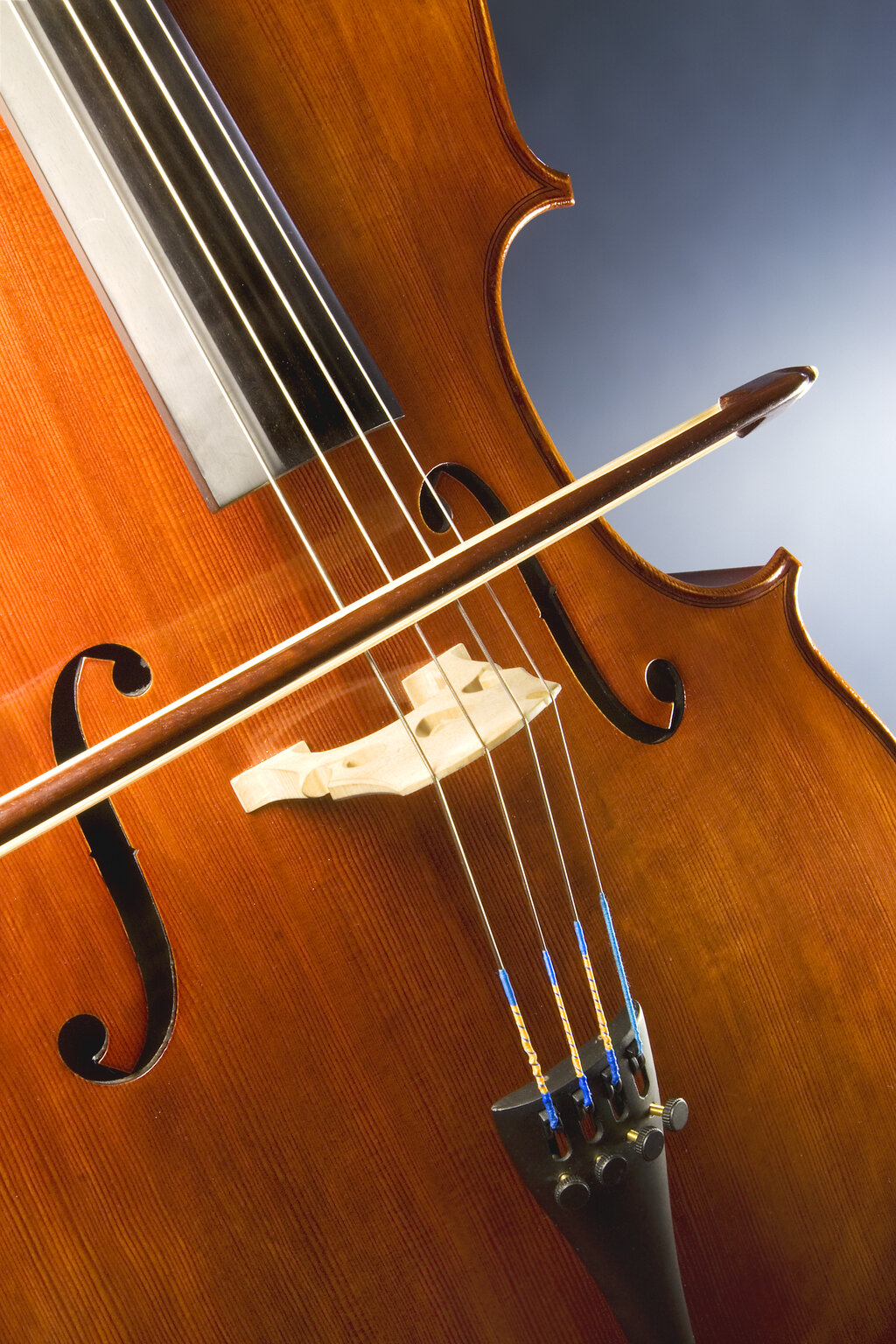
The ideal humidity for a cello is between 40% and 60%. A simple tool called a hygrometer can measure the moisture in the air. You can keep one in your cello case or in the room where you store it. If you live in a dry climate or have indoor heating, an in-case humidifier (often called a "dampit") is a wise investment. It's a small sponge in a rubber tube that you soak in water and place inside the cello's f-holes to release moisture slowly and safely.
Keeping It Clean
Every time you play, two things get left behind on your cello: rosin dust from the bow and oils from your hands. While rosin is essential for making sound, its fine powder can build up and, over time, become a sticky mess that's hard to remove and can damage the varnish. The oils from your skin can also degrade the finish.
The best habit a cellist can have is to wipe down their instrument after every single practice session.
The process is simple. You just need two soft, dry cloths (microfiber cloths work perfectly). Use one cloth to gently wipe the rosin dust off the strings, the fingerboard, and the body of the cello, especially around the bridge. Use the second cloth to wipe down any other areas you may have touched. Never use water, alcohol, or furniture polish on your cello. These can permanently damage the wood and varnish.
Handle with Care
Proper handling and storage are crucial for preventing accidents. When you're not playing your cello, the safest place for it is in its case. If you need to set it down for a moment, place it on its side, never on its back or front. The bridge is held in place only by the tension of the strings, and lying the cello on its back puts pressure on it, while lying it on its front risks damaging the bridge and strings.
When carrying the cello, always be aware of your surroundings, especially doorways. Avoid exposing your cello to extreme temperatures, like leaving it in a hot car or a cold basement. Think of it this way: if you wouldn't be comfortable in that temperature, neither would your cello.
Learning to hold the bow correctly is one of the most important first steps in playing the cello.
Just as you learn to hold the bow, learning to care for the instrument itself is a foundational skill. It's a sign of respect for the craft and for the beautiful object that helps you make music. Let's review what we've covered.
What is the ideal humidity range for a cello?
Why should you wipe rosin dust off your cello after every time you play?
These simple habits will keep your cello in great shape, ensuring it sounds its best for years to come.