Cell Structure and Discovery
Introduction to Cell Theory
A Hidden World
In 1665, a curious English scientist named Robert Hooke peered through a microscope he had built himself. His subject was a thin slice of cork. What he saw was a grid of tiny, empty boxes, which reminded him of the small rooms, or cellulae, where monks lived in a monastery. He called them “cells.”
Hooke wasn’t looking at living things. The cork was dead plant tissue, so he was only seeing the rigid cell walls left behind. But his simple observation, and the name he chose, kicked off a revolution in how we understand life itself.
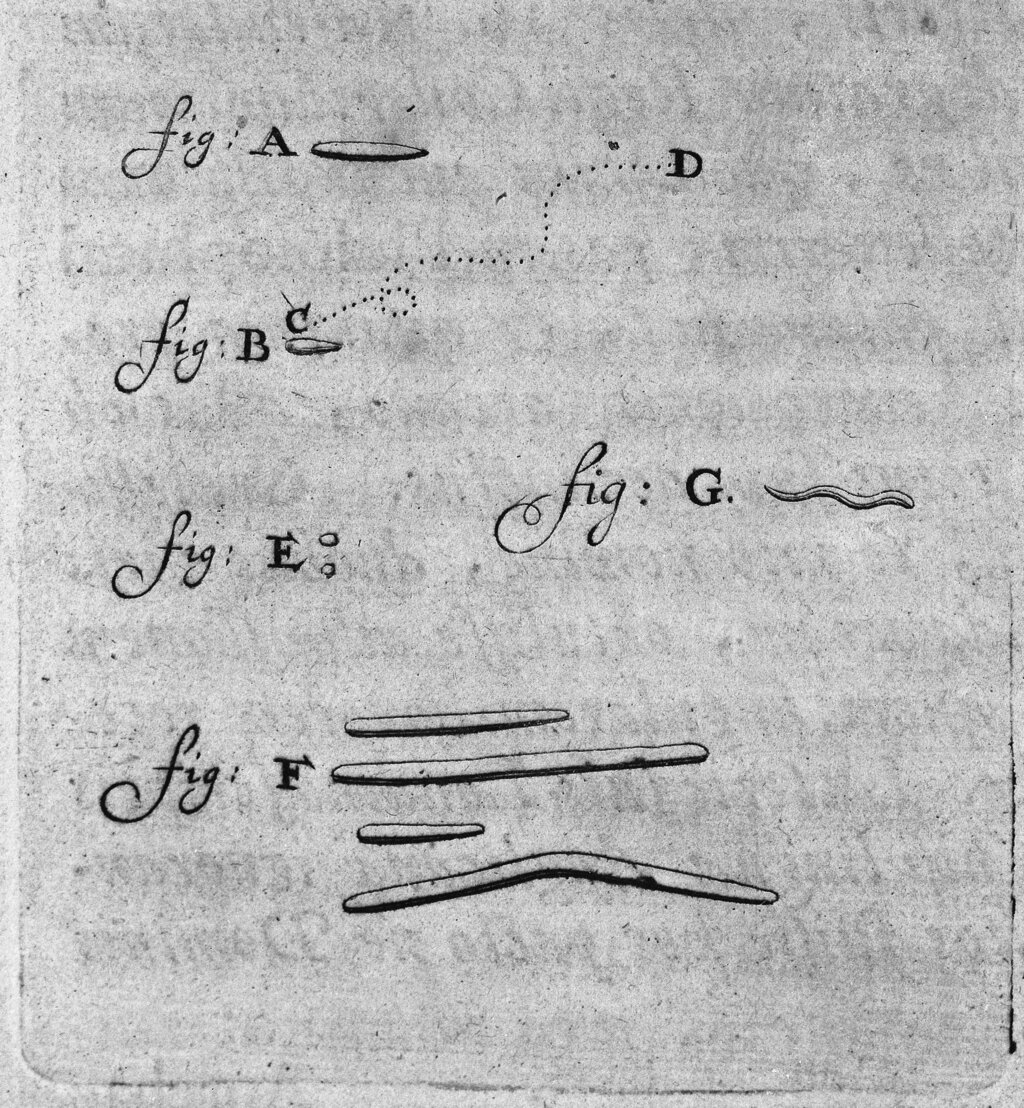
Around the same time, a Dutch merchant named Antonie van Leeuwenhoek was using his own powerful microscopes to discover a world teeming with life invisible to the naked eye. He observed single-celled organisms, which he called “animalcules,” swimming in a drop of pond water. Together, Hooke and van Leeuwenhoek opened the door to the microscopic world, but it would take another 150 years for their findings to form a central theory of biology.
The Rules of Life
By the 1800s, better microscopes allowed scientists Matthias Schleiden and Theodor Schwann to study plants and animals in more detail. They noticed something striking: despite their vast differences, all plants and animals seemed to be made of cells. Their work, combined with a later discovery by Rudolf Virchow, led to what we now call cell theory.
Cell theory is based on three simple, powerful ideas:
- All living organisms are composed of one or more cells.
- The cell is the basic unit of structure and organization in organisms.
- Cells arise from pre-existing cells.
These points might seem obvious today, but they were groundbreaking. The idea that a towering oak tree, a buzzing fly, and a human being are all constructed from the same fundamental building blocks was a profound insight. It unified the study of life.
The third point was especially important. Before Virchow, many believed in “spontaneous generation” – the idea that life could just appear from non-living matter, like maggots from rotting meat. The principle that cells only come from other cells (Omnis cellula e cellula) firmly established that life comes from life.
A Unifying Foundation
Cell theory is more than just a historical footnote; it’s the foundation of all modern biology. It explains how organisms grow and heal, by making new cells. It's central to understanding diseases like cancer, which is essentially uncontrolled cell division. And it’s the basis for genetics and evolution, as changes passed down from one cell to another drive the diversity of life on Earth.
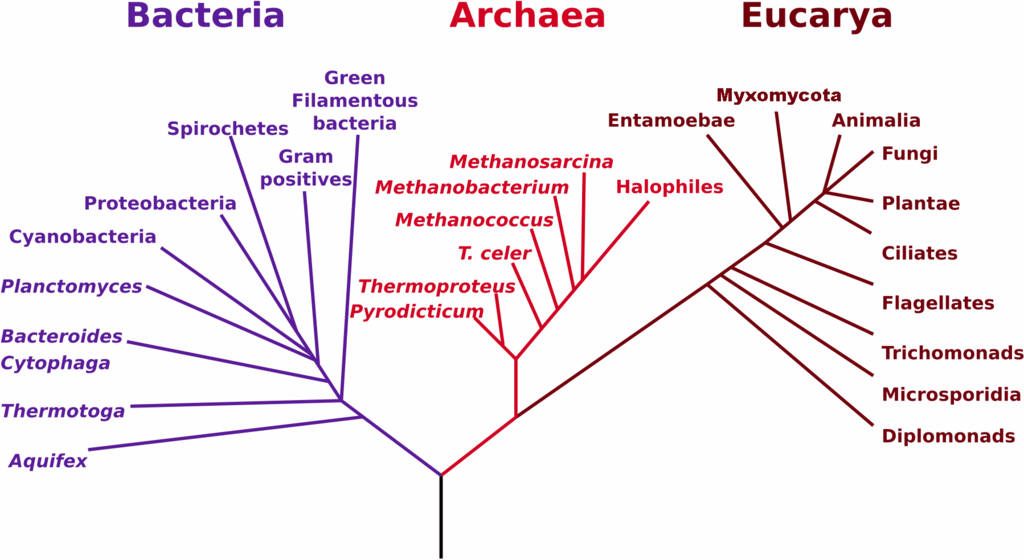
From Hooke’s empty boxes to our modern understanding of DNA and molecular machinery, the study of the cell has revealed the most fundamental secrets of life. Everything that happens in an organism, from thinking a thought to digesting a meal, happens at the cellular level.
Ready to check your understanding?
What did Robert Hooke first observe when he coined the term "cell"?
The principle "Omnis cellula e cellula" (all cells arise from pre-existing cells) was a crucial addition to cell theory because it directly refuted which popular idea?
This foundational theory unlocked a new way of seeing the world, showing us that all of life's complexity is built from the humble cell.