Cell and Gene Therapy Essentials
Introduction to Cell and Gene Therapy
Fixing the Source Code of Disease
Many medicines, like aspirin, treat the symptoms of a disease. They manage pain or reduce a fever, but they don't fix the underlying problem. Cell and gene therapies are different. They aim to repair the problem at its source, inside our very own cells.
Cell Therapy
noun
A treatment that uses living cells to repair, replace, or restore damaged tissues and organs or to fight disease.
Think of cell therapy as a living medicine. Instead of a chemical pill, doctors introduce new, healthy cells into the body. These cells can be from a donor or even from the patient's own body, just modified in a lab to be more effective. Their job is to take over for damaged cells or give the body a new function it was missing.
Gene Therapy
noun
A technique that modifies a person's genes to treat or cure disease. It may involve adding a new gene or editing an existing one.
Gene therapy goes one level deeper. Our genes are the instruction manual for our cells. If a gene has a typo, it can cause disease. Gene therapy aims to correct that typo. Scientists can introduce a correct version of a gene into cells, effectively rewriting the faulty instructions.
In short: Cell therapy adds new workers (cells) to the team. Gene therapy gives existing workers a corrected set of instructions (genes).
A Brief History
The ideas aren't brand new. The concept of cell therapy has been around for over a century, starting with the first successful blood transfusions. But the modern era began with bone marrow transplants in the 1950s. Doctors used them to treat leukemia by replacing a patient's cancerous blood-forming cells with healthy ones from a donor.
Gene therapy followed a few decades later. The first approved gene therapy trial took place in 1990. It successfully treated a four-year-old girl with a rare genetic immune disorder known as ADA-SCID, sometimes called "bubble boy disease." This milestone proved that directly altering a person's genetic code to fight disease was possible.
How They Work
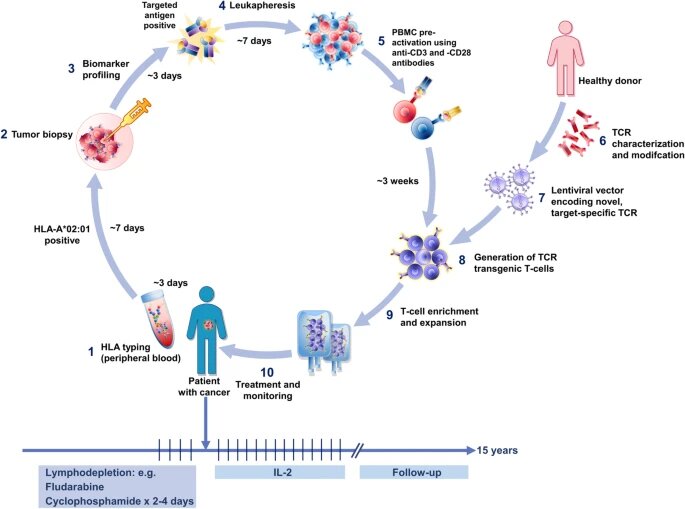
The basic mechanics of these therapies are elegant. In a common type of cell therapy, doctors start by collecting cells from a patient, such as immune cells called T-cells. In a lab, these cells are engineered to become better cancer fighters. They are multiplied into the millions and then infused back into the patient, where they hunt down and destroy tumor cells.
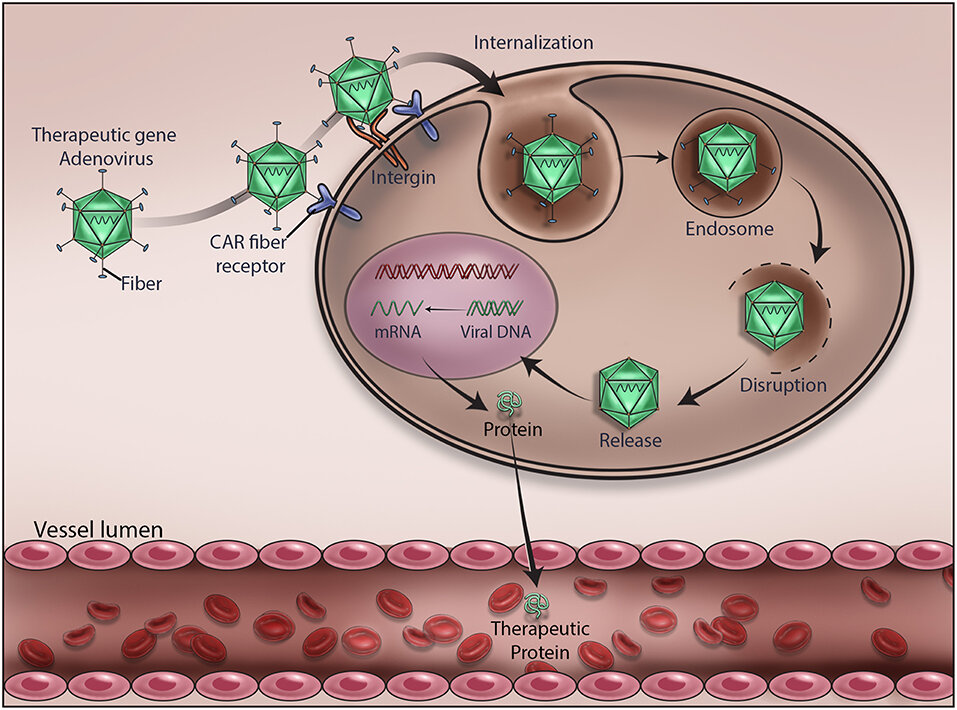
Gene therapy requires a delivery system to get the new gene into the target cells. Scientists often use a surprising tool for this: a virus. They take a virus, such as an adenovirus (a cause of the common cold), and remove its ability to cause disease. They then insert the therapeutic gene into this empty viral shell.
This modified virus, now called a vector, acts like a microscopic delivery drone. When introduced into the body, it uses its natural ability to enter cells and releases its genetic cargo. The cell then starts using the new, correct gene to make the right protein, restoring normal function.
Modern Applications
Today, cell and gene therapies are no longer just concepts. They are approved treatments for a growing list of conditions.
CAR-T cell therapy has shown remarkable success in treating certain blood cancers like leukemia and lymphoma. Stem cell therapies are used to treat blood disorders like sickle cell disease and to help patients recover from aggressive chemotherapy.
Gene therapies are now available for inherited blindness, spinal muscular atrophy (a severe neurological disorder in infants), and hemophilia. These treatments are often life-changing, offering hope where little existed before.
Think you've got it? Let's check your understanding.
What is the primary goal of cell and gene therapies that distinguishes them from medicines like aspirin?
In the context of gene therapy, what is a 'vector'?
Cell and gene therapies represent a powerful shift in medicine, moving from managing symptoms to addressing the root causes of disease. By harnessing the power of our own biology, they are opening up new frontiers in treatment.