Celestial Patterns: Understanding Constellations
Introduction to Constellations
Connecting the Dots in the Sky
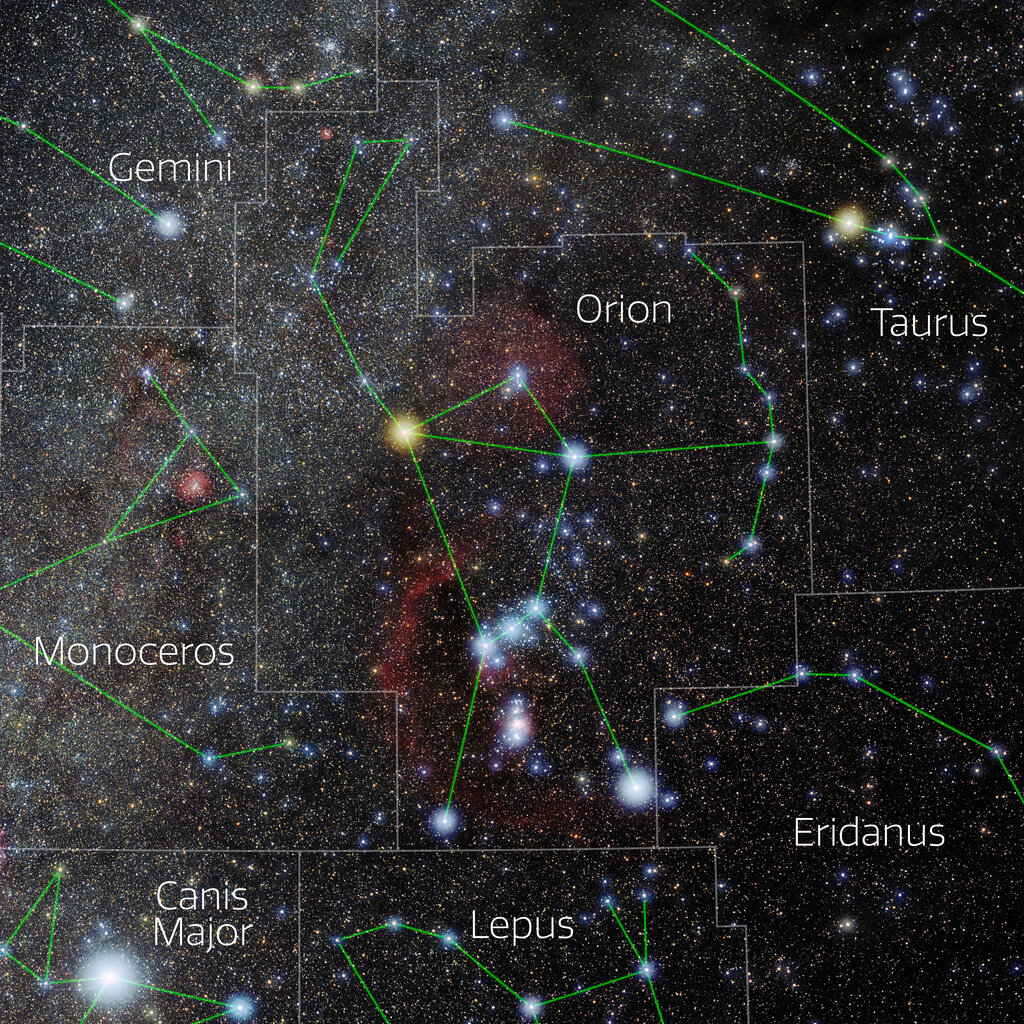
For thousands of years, people have looked up at the night sky and seen more than just scattered points of light. They saw shapes and patterns, connecting the dots to form images of animals, heroes, and mythical beasts. These patterns are called constellations.
From our perspective on Earth, the stars in a constellation look like they're on the same flat canvas. But this is an illusion of perspective. The stars that make up a pattern might be incredibly far from each other in space. One star could be relatively close to us, while another in the same constellation could be hundreds of light-years farther away.
Ancient Guides and Cosmic Stories
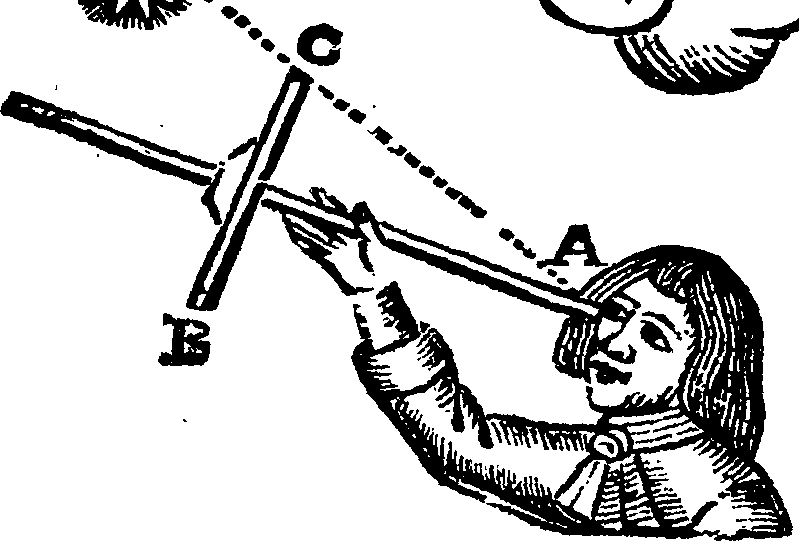
Long before GPS or even compasses, the stars were humanity's map. Sailors crossing vast oceans and travelers navigating deserts used the fixed patterns of constellations to guide their way. By recognizing these familiar shapes, they could determine direction and keep their bearings.
Constellations were also the pages of a celestial storybook. Cultures all over the world developed their own unique myths and legends tied to the stars. These stories weren't just for entertainment; they were a way to pass down cultural values, history, and important knowledge about the seasons. Farmers knew when to plant or harvest based on which constellations were visible in the sky.
Making It Official
For centuries, there was no official list of constellations. Different cultures had different patterns, and even within the same tradition, the boundaries were often fuzzy. This created confusion for astronomers who needed a consistent way to map the sky and locate celestial objects.
To solve this, the International Astronomical Union (IAU) stepped in. In the 1920s, this global organization of professional astronomers officially divided the entire sky into a set of 88 constellations with precise boundaries. Think of it like drawing country borders on a world map. Now, every star, galaxy, and nebula in the sky belongs to exactly one of these 88 constellations.
The IAU's 88 constellations cover the entire celestial sphere, leaving no gaps or overlaps. This system provides a universal map for astronomers worldwide.
Many of these official constellations are based on the ancient Greek patterns, but the list also includes formations seen from the Southern Hemisphere, which were cataloged by European explorers in the 16th and 17th centuries. This modern system honors the past while providing a clear, scientific framework for exploring the cosmos.
Ready to check your understanding?
What is the actual spatial relationship between stars that form a constellation as seen from Earth?
Which organization is responsible for officially defining the 88 modern constellations and their boundaries?
These patterns are our link to the ancient observers who first mapped them, and they remain an essential tool for understanding our place in the universe.