CCTV Systems Explained
Introduction to CCTV
What is CCTV?
Closed-Circuit Television, or CCTV, is a system that lets you keep an eye on what’s happening in a specific place. The key is in the name: "closed-circuit." Unlike broadcast television that sends signals out for anyone to receive, a CCTV system sends its footage to a limited number of monitors.
The primary purpose is surveillance. This isn't just about catching criminals, though that's a big part of it. CCTV systems are used to monitor traffic, ensure safety in public places, oversee industrial processes, and protect property. They act as a deterrent and provide a recorded visual account of events.
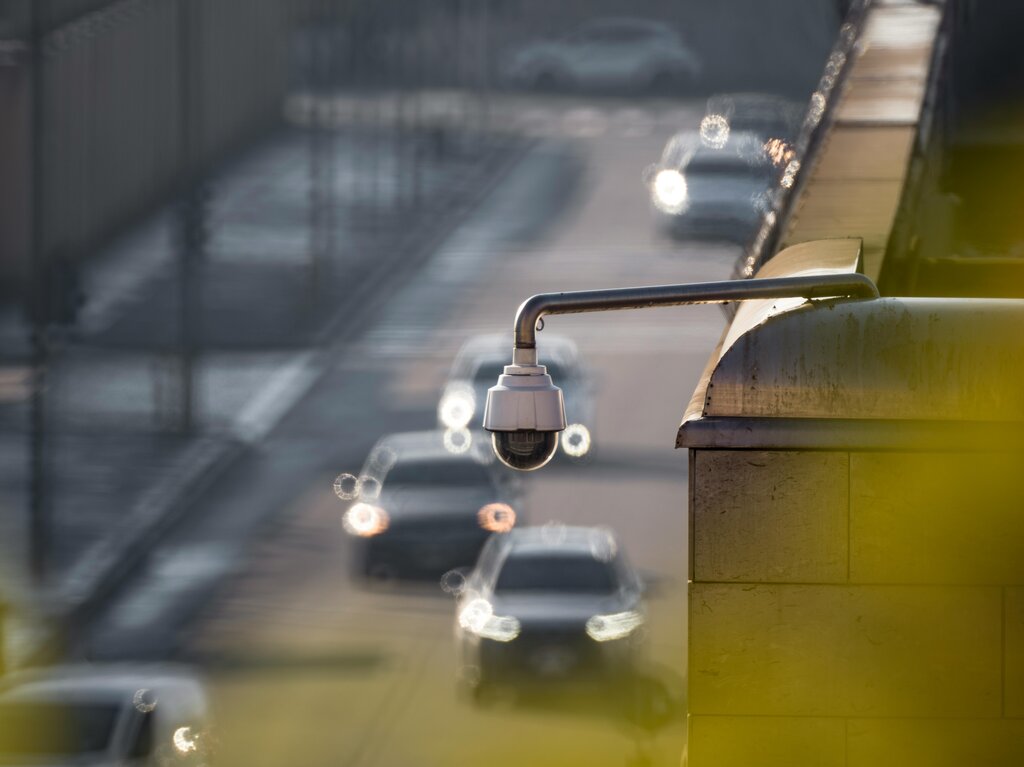
The Core Components
Every basic CCTV system, from a simple setup at a small shop to a complex network in an airport, relies on three fundamental components working together.
- Cameras: These are the eyes of the system. They capture visual information and convert it into a video signal.
- Recorder: This device receives the video signal from the cameras and stores it. This allows you to review footage from the past. It's often a Digital Video Recorder (DVR) or a Network Video Recorder (NVR).
- Monitor: This is the screen where you can view the live feed from the cameras or play back recorded footage.
These parts form a simple, continuous loop. The camera sees, the recorder stores, and the monitor displays.
Speaking the Language
When discussing CCTV, you'll run into some specific terminology. Understanding these key terms helps you understand the capabilities and quality of a system.
Resolution
noun
The level of detail an image holds. It's measured in pixels (like 1920x1080, also known as 1080p or Full HD). Higher resolution means a clearer, more detailed picture.
Higher resolution is crucial when you need to identify faces or other small details from a distance.
Frame Rate
noun
The number of individual images, or frames, that a camera captures per second. It's measured in frames per second (fps). A higher frame rate results in smoother, more fluid-looking video.
Think of it like a flipbook. A book with more pages (frames) creates a much smoother animation when you flip through it. Standard video is often 24-30 fps, which appears smooth to the human eye.
Field of View
noun
The extent of the observable area that a camera can see at any given moment. It is typically measured in degrees. A wide field of view captures a larger area, while a narrow one focuses on a smaller area in more detail.
These are just a few of the basic terms, but they are the most important ones for understanding a camera's performance. As you can see, CCTV cameras come in many shapes and sizes, each designed for a different environment or task.
Now, let's review what you've learned about the fundamentals of CCTV.
What does the term "closed-circuit" in CCTV signify?
Which of the following are the three fundamental components of a basic CCTV system?
Understanding these core concepts is the first step to grasping how surveillance technology works.