CCTV Camera Fundamentals
Introduction to CCTV Systems
What is a Closed Circuit?
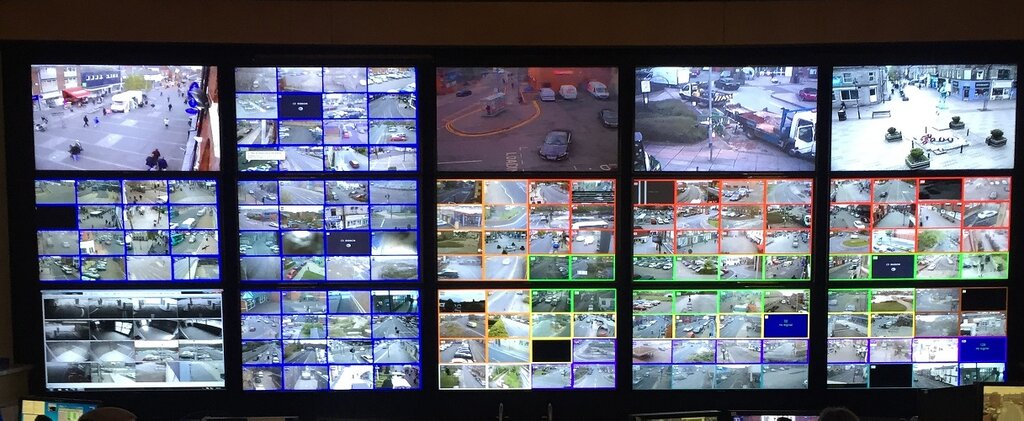
CCTV stands for Closed-Circuit Television. The key word here is "closed." Unlike broadcast television, which sends signals far and wide for anyone to pick up, a CCTV system transmits its feed to a specific, limited set of monitors.
Think of it like the difference between a public announcement over a loudspeaker and a private phone call. One is for everyone; the other is for a specific recipient.
This closed-loop nature is what makes CCTV a powerful tool for surveillance and security. The primary goal isn't entertainment; it's monitoring. Video cameras capture footage, and that footage is sent directly to a designated place for viewing and recording, without being broadcast over the open airwaves.
CCTV vs. Broadcast TV
The fundamental difference between these two technologies lies in how the video signal is distributed. Broadcast television is a one-to-many system. A television station sends out a single, powerful signal intended for mass reception by the general public.
CCTV, however, is a point-to-point or point-to-multipoint system. The signal travels from a camera through a private transmission medium—historically a coaxial cable, though now often over a dedicated network—to a specific receiving device, like a monitor or a recorder. The public can't tune in.
| Feature | Broadcast Television | Closed-Circuit Television (CCTV) |
|---|---|---|
| Signal Path | Public airwaves or cable/satellite | Private, wired or wireless network |
| Audience | General public | Limited, authorized personnel |
| Primary Use | Entertainment, news, information | Security, surveillance, monitoring |
| Content | Professionally produced shows | Live or recorded video feeds |
Everyday Applications
Once specialized technology, CCTV is now a common feature of modern life. Its applications are all about observation, safety, and security.
You'll find CCTV systems in places like:
- Retail and Banking: To deter theft and fraud, and to provide evidence if a crime occurs.
- Public Safety: In city centers, parks, and on public transit to monitor for public safety and help manage crowds.
- Traffic Management: On highways and at intersections to monitor traffic flow, spot accidents, and manage congestion.
- Industrial Sites: To oversee manufacturing processes, monitor equipment for faults, and ensure worker safety in hazardous areas.
- Homes and Businesses: For private security, allowing property owners to monitor their premises remotely.
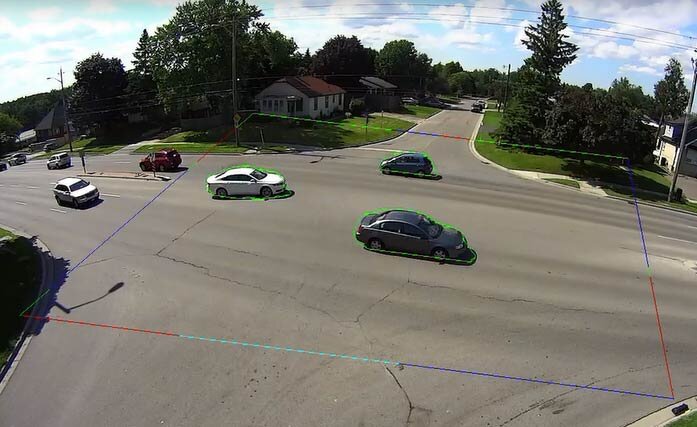
At its core, a CCTV system operates on a simple principle: capture video in one location and display it in another. The basic setup involves a camera, a transmission medium (like a cable or wireless link), and a monitor. The camera picks up the visual information, the link carries the signal, and the monitor displays the image for a person or a recording device.
While modern systems can be incredibly complex, with features like night vision, motion detection, and remote access, they all build on this fundamental idea of a closed, private video circuit.
What does the "Closed-Circuit" in Closed-Circuit Television (CCTV) primarily signify?
What is the fundamental difference between how CCTV and broadcast television distribute their signals?