CCNA Automation and Programmability Essentials
Network Programmability Basics
The Old Way of Networking
Not long ago, managing a computer network was a lot like being a telephone operator from the black-and-white movie era. To make a change, a network engineer had to manually connect to each device—every router, every switch—one by one. They would type in specific commands using a command-line interface, or CLI. It was a hands-on, device-by-device process.
Imagine setting up a security update across a network with hundreds of devices. The engineer would log into the first device, type the commands, log out, and then repeat the process for the second device. Then the third. Then the three hundredth. This approach was not just tedious; it was slow and prone to human error. A single typo could cause a network outage, and ensuring every device had the exact same configuration was a constant challenge.
This traditional model couldn't keep up. As networks grew more complex and businesses needed to adapt faster, the manual, box-by-box approach became a major bottleneck.
A Smarter Approach
Network programmability changes the game entirely. Instead of configuring individual devices, we treat the entire network as a single, programmable system. The core idea is to separate the network's brain (the control plane) from its body (the data plane). The data plane is the hardware that actually forwards traffic, while the control plane makes the decisions about where the traffic should go.
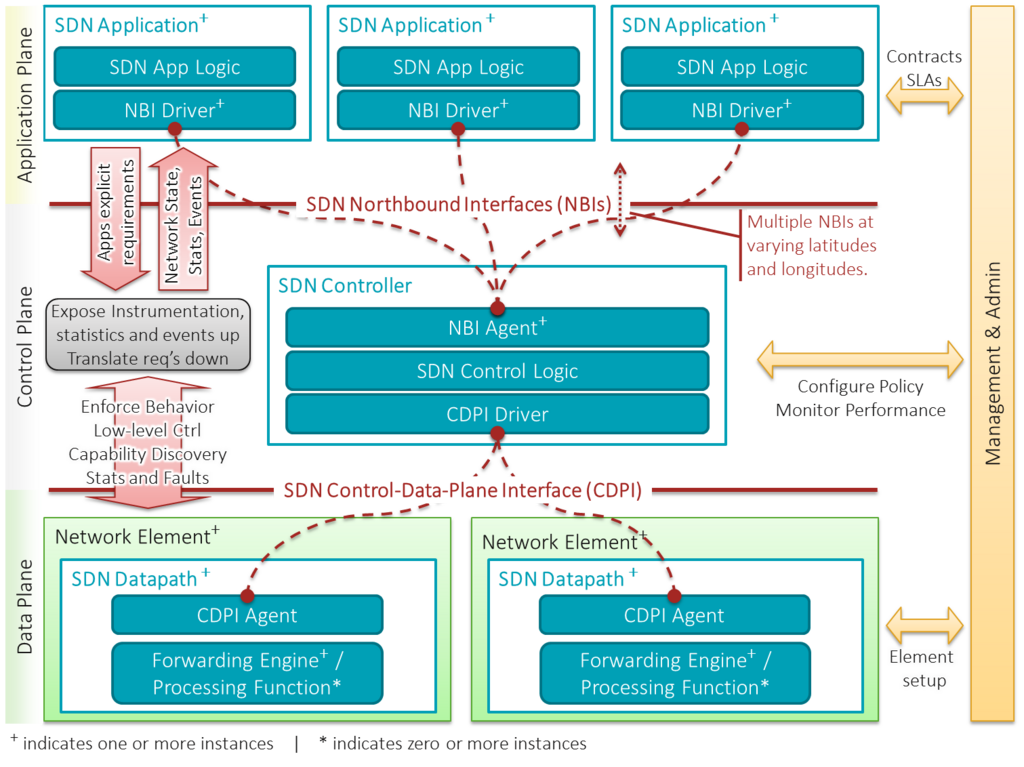
By centralizing the control plane, we can manage and configure the network from one place using software. This is the essence of network programmability: using code to tell the network what to do. Instead of manually typing commands on 300 different devices, an engineer can write a single script that pushes the new configuration to all of them at once. The network configuration becomes code, which can be versioned, tested, and deployed just like any other piece of software.
A more organized, centralized approach to managing IP assets (the logical network) is essential to reduce the dangers of human error for large and complex networks.
The Power of Automation
This shift unlocks the power of automation. When you can control your network with code, you can automate repetitive tasks, respond to changes instantly, and manage massive, complex systems with ease. The benefits are transformative.
| Benefit | Traditional Management | Programmable Network |
|---|---|---|
| Speed | Slow and manual. Changes take hours or days. | Fast and automated. Changes are deployed in minutes. |
| Consistency | Prone to human error and configuration drift. | High. Scripts ensure every device is configured identically. |
| Scalability | Poor. Managing more devices means hiring more people. | Excellent. The same script can manage ten devices or ten thousand. |
| Agility | Rigid. Responding to business needs is a slow process. | Flexible. The network can be reconfigured on the fly to support new apps. |
Automation frees up network engineers from tedious, repetitive work. Instead of spending their days manually configuring ports, they can focus on designing better, more resilient networks. It allows organizations to build networks that are not just functional, but are also agile, secure, and aligned with business goals.
Ready to test your understanding of these foundational concepts? Let's see what you've learned.
What was the primary method for configuring network devices in a traditional, non-programmable network?
In the context of network programmability, which component is responsible for making decisions about where traffic should go?
Understanding this transition from manual tasks to automated systems is the first step in mastering modern networking.