CBT for Stress and Burnout
Understanding Stress
What Is Stress?
Stress is your body's natural response to a demand or challenge. When you encounter a potentially difficult situation, your body goes through a series of changes to help you face it. The thing that causes this reaction is called a stressor.
stressor
noun
Any event, experience, or environmental stimulus that causes stress in an individual.
Stressors can be anything from a looming project deadline to a sudden traffic jam. They can even be positive events, like getting married or starting a new job. Your body doesn't differentiate between good and bad changes; it just reacts to the need to adapt.
The Body's Alarm System
When you perceive a threat, your nervous system kicks into high gear. This is often called the "fight-or-flight" response. It's an ancient survival mechanism that prepares you to either confront the danger or flee to safety.
Your brain's hypothalamus signals your adrenal glands to release a surge of hormones, primarily cortisol and adrenaline. These hormones act like an alarm system, triggering a cascade of physiological changes designed for immediate action.
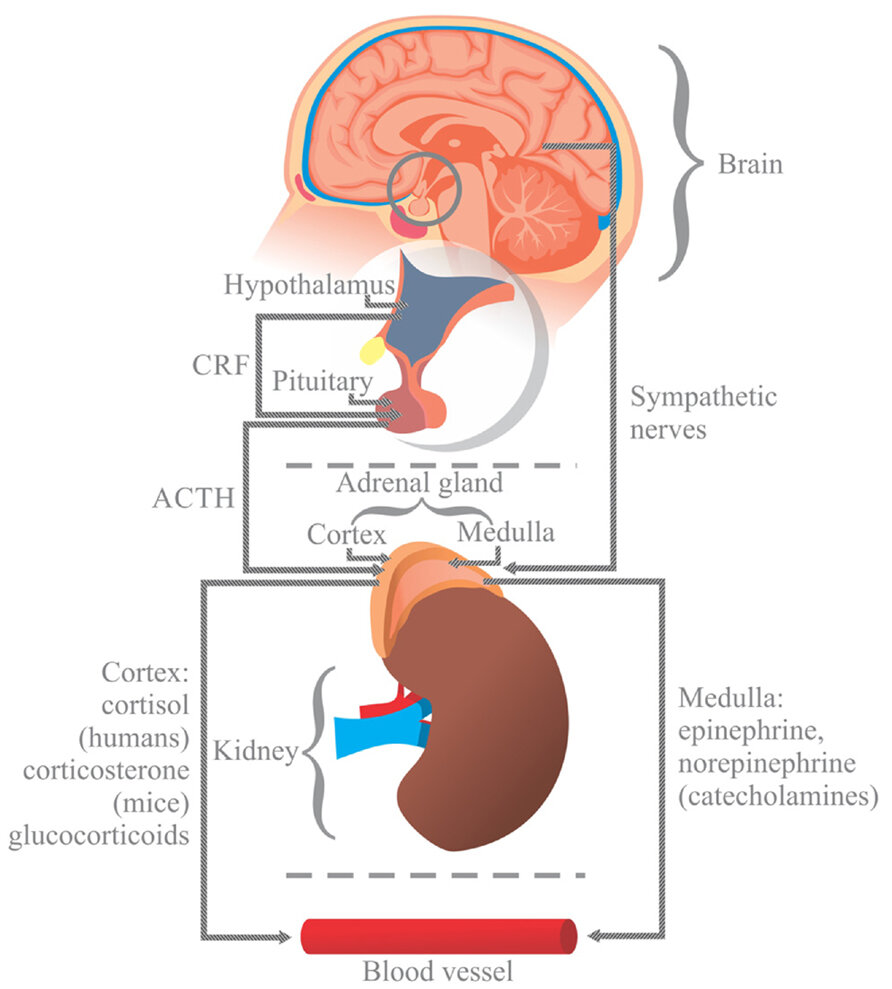
This chemical rush causes your heart to pound, your breathing to quicken, and your muscles to tense up. Blood is diverted away from functions like digestion and toward your major muscle groups, giving you a burst of energy and strength. Your senses become sharper, helping you stay alert and focused on the challenge at hand. It’s an incredibly effective system for handling short-term threats.
A Sprint vs. a Marathon
Not all stress is the same. The key difference lies in how long it lasts. We can separate stress into two main types: acute and chronic.
Acute stress is the short-term variety. It’s the reaction you feel when you slam on the brakes to avoid an accident or get nervous before a presentation. It comes on quickly and, once the stressor is gone, your body returns to its normal state. In small doses, acute stress can be exciting and even helpful, pushing you to perform your best.
Chronic stress is the marathon. This is long-term, persistent stress that continues for weeks, months, or even years. It occurs when the source of stress is constant and you don't get a chance to recover. Your body’s alarm system stays on, day in and day out.
| Feature | Acute Stress (Sprint) | Chronic Stress (Marathon) |
|---|---|---|
| Duration | Short-term, brief | Long-term, constant |
| Onset | Sudden | Gradual or prolonged |
| Example | A single difficult exam | Ongoing financial problems |
| Effect | Can be energizing | Draining and harmful |
While the fight-or-flight response is brilliant for sprints, it's damaging during a marathon. A constant flood of stress hormones can disrupt nearly all of your body's processes, leading to serious health issues over time.
Stress in the Workplace
The modern workplace can be a significant source of chronic stress. Unlike our ancestors who faced physical threats that would quickly pass, our stressors are often psychological and persistent.
Common workplace stressors include:
- Heavy Workload: Feeling like you have too much to do and not enough time to do it.
- Lack of Control: Having little say over your schedule, assignments, or how you do your work.
- Poor Relationships: Dealing with difficult bosses, uncooperative colleagues, or workplace conflict.
- Role Ambiguity: Being unclear about your job responsibilities or what's expected of you.
- Job Insecurity: Worrying about your position or the future of the company.
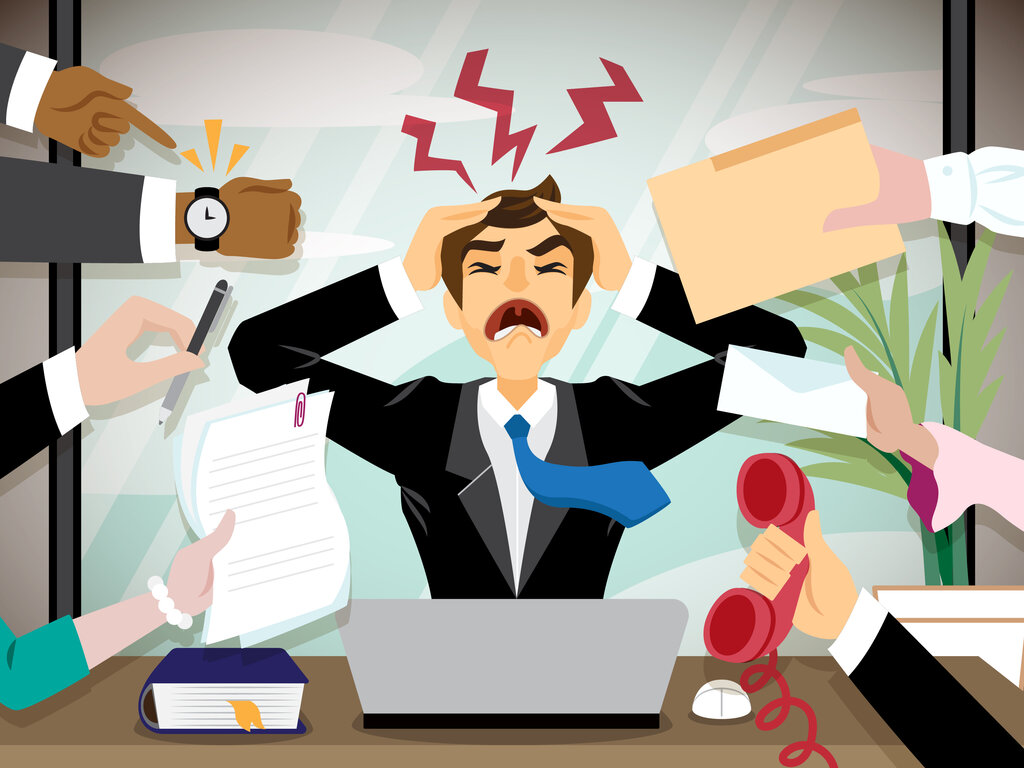
When these pressures are relentless, they can lead to mental and emotional strain. You might find yourself feeling irritable, anxious, or unable to concentrate. Your motivation might dip, and you could struggle to enjoy your work or your time outside of it. This prolonged state of emotional exhaustion, cynicism, and a reduced sense of personal accomplishment is often known as burnout.
Now, let's check your understanding of these core concepts.
What is the primary function of the body's "fight-or-flight" response?
The thing that causes a stress reaction is called a ________.