CBT for Stress and Burnout
Understanding Stress and Burnout
The Difference Between Stress and Burnout
Stress is a normal part of life. It’s your body's reaction to a challenge or demand. In short bursts, stress can be helpful. It’s what gives you a surge of focus to meet a deadline or the burst of adrenaline to swerve out of an accident. This is called acute stress.
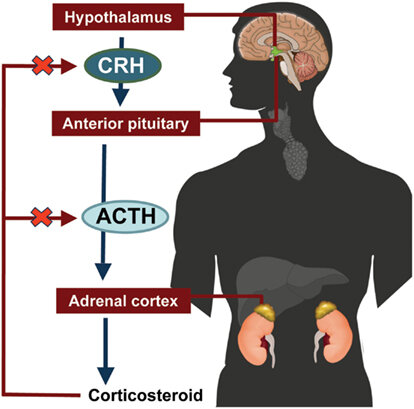
But when that feeling doesn’t go away, it becomes chronic stress. Imagine your body’s alarm system is constantly on. This long-term activation of the stress response system can disrupt almost all your body's processes and put you at increased risk for numerous health problems.
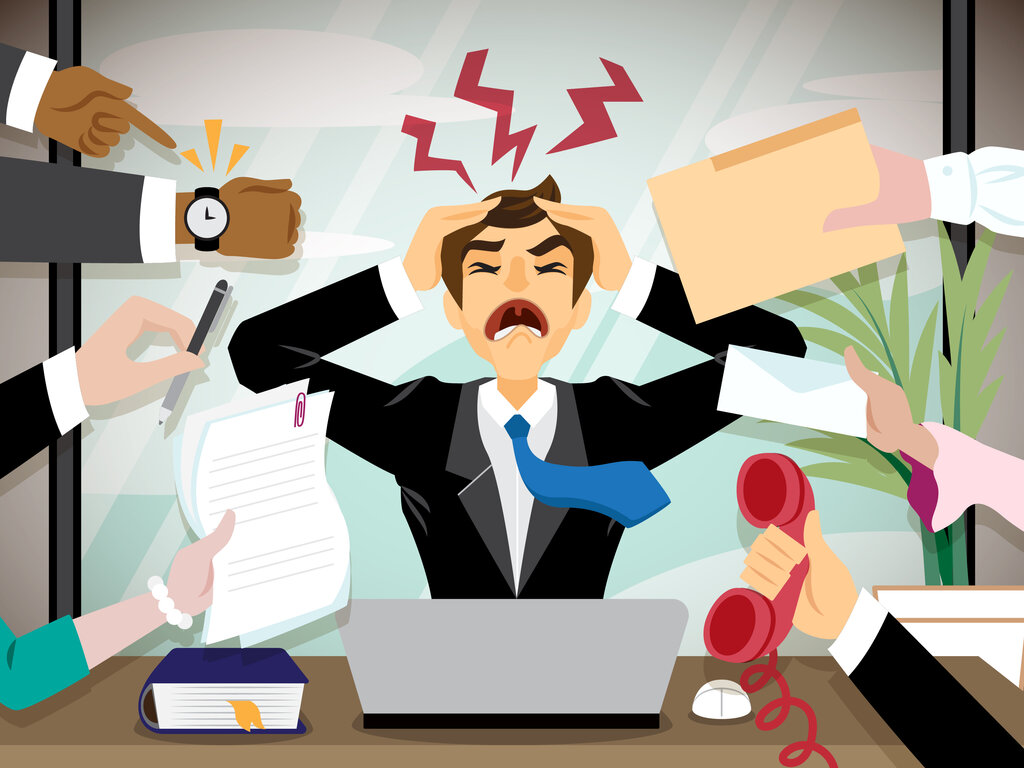
Work burnout is a specific type of work-related stress. It’s a state of physical or emotional exhaustion that also involves a sense of reduced accomplishment and loss of personal identity. It's not just about having a few bad days; it's the feeling of being completely depleted, all the time.
burnout
noun
A state of emotional, physical, and mental exhaustion caused by excessive and prolonged stress.
When experiencing burnout, one may feel overwhelmed, emotionally drained, and unable to meet constant demands.
Spotting the Signs
Recognizing burnout isn't always straightforward, as it can creep in slowly. The symptoms often manifest in both physical and emotional ways. You might notice changes in your energy levels, your mood, and even your ability to get through a normal workday.
Here are some common signs to watch for:
| Physical Symptoms | Psychological Symptoms |
|---|---|
| Feeling tired and drained most of the time | Sense of failure and self-doubt |
| Frequent headaches or muscle pain | Feeling helpless, trapped, and defeated |
| Change in appetite or sleep habits | Detachment, feeling alone in the world |
| Lowered immunity, frequent illnesses | Loss of motivation |
| Increasingly cynical and negative outlook | |
| Decreased satisfaction and sense of accomplishment |
Left unchecked, burnout can have a serious impact on your health, leading to conditions like high blood pressure, heart disease, and depression. At work, it erodes productivity. You might find it hard to concentrate, become more irritable with colleagues, or struggle to find any joy in your accomplishments.
Where Burnout Comes From
Burnout isn't just a result of working long hours. Its roots are often found in the workplace environment and in our personal habits. Understanding these factors is the first step toward addressing them.
Common workplace triggers include an unmanageable workload, a lack of social support, unclear job expectations, and feeling a lack of control over your work.
Personal habits also play a significant role. A tendency toward perfectionism, a pessimistic view of yourself and the world, or the need to be in control at all times can make you more susceptible. Likewise, a lack of supportive relationships or a failure to balance work with the rest of your life can drain your emotional reserves, paving the way for chronic stress.
Ready to check your understanding?
What is the main difference between acute stress and chronic stress?
Which of the following best defines work burnout?
Recognizing the signs and causes of stress and burnout is a crucial first step. By understanding what they are and how they affect you, you can begin to take action to protect your well-being.