Causal AI Demystified
Introduction to Causal AI
Beyond Pattern Matching
Most of what we call Artificial Intelligence is incredibly good at one thing: finding patterns. A traditional AI model might notice that when ice cream sales go up, so do the number of shark attacks. It sees a strong correlation, a relationship where two things move together.
Based on this correlation, the model might predict that if we sell more ice cream next summer, shark attacks will increase. But this conclusion is wrong, and potentially dangerous.
Selling ice cream doesn't cause sharks to attack people. There's a hidden factor, a confounding variable, that influences both: warm weather. When it's hot, more people buy ice cream, and more people go swimming in the ocean, which leads to more encounters with sharks. The AI has correctly identified a pattern, but it has completely misunderstood the reason behind it. This is the classic trap of confusing correlation with causation.
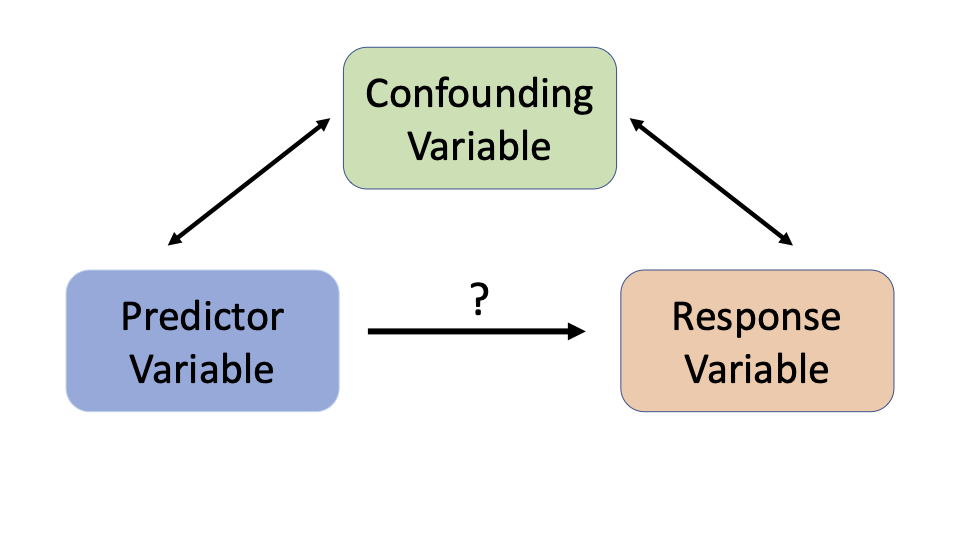
Traditional AI is great at predicting what will happen based on past data. Causal AI is a leap forward. It's designed to understand why things happen.
Understanding Cause and Effect
Causal AI
noun
A subfield of artificial intelligence that focuses on identifying and modeling cause-and-effect relationships within data.
Instead of just looking at correlations, Causal AI builds models that represent the underlying mechanisms of a system. It asks questions like, "If I change this one thing, what will be the effect?" This is a fundamentally different approach from just making predictions based on observed patterns.
| Traditional AI | Causal AI |
|---|---|
| Learns correlations | Learns causal relationships |
| Answers "What is likely to happen?" | Answers "Why did this happen?" |
| Good for prediction | Good for intervention and decision-making |
| Can be a "black box" | Often more transparent and interpretable |
Imagine a doctor using an AI to help a patient. A traditional model might predict the patient has a high risk of heart disease because it sees a correlation between low income and heart problems. A Causal AI would dig deeper to find the actual causes, such as access to healthy food or time for exercise, which might be linked to income. This provides a clear path for intervention.
Smarter, Safer AI
Building AI that understands causality has huge benefits. First, these models are far more interpretable. Because they map out cause-and-effect links, we can look inside the model and understand its reasoning. This builds trust and allows us to make better-informed decisions based on the AI's output.
Second, they are more robust. A model based on spurious correlations is brittle; it can fail spectacularly if conditions change. An AI that understands that hot weather, not ice cream sales, leads to shark attacks will continue to make sensible predictions even during an unexpected ice cream shortage. It has learned a fundamental truth about the world, not just a temporary pattern.
Finally, Causal AI is a powerful tool for promoting fairness. It can help us uncover and address biases in our data. By modeling the causal pathways, we can check if our AI is using sensitive attributes like race or gender to make decisions, even indirectly. This helps ensure that automated systems don't perpetuate harmful societal biases.
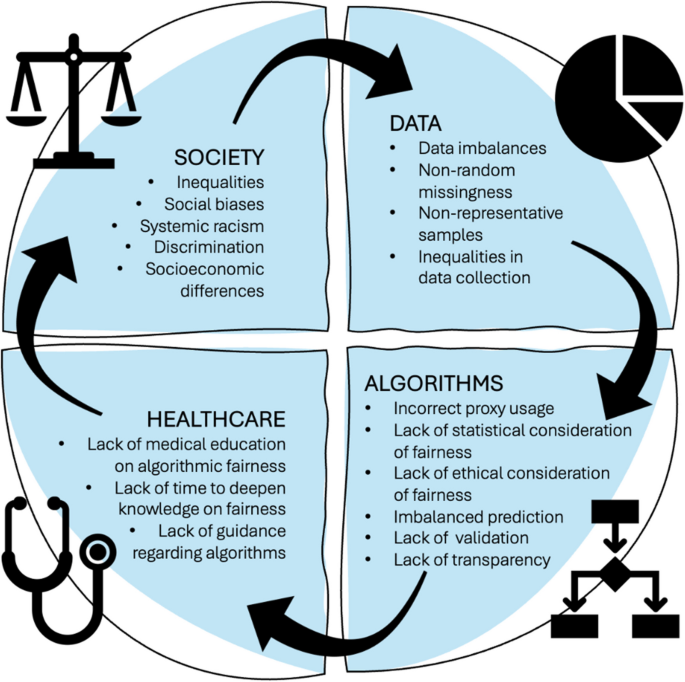
Moving from correlation to causation allows us to build AI that doesn't just predict the future, but helps us shape it for the better.
The example of rising ice cream sales and increased shark attacks happening at the same time illustrates which key concept?
What is the primary goal of Causal AI that distinguishes it from traditional AI?