Causal AI and Python Implementation
Introduction to Causal AI
Beyond Predictions
Imagine it's a hot summer. Ice cream sales are soaring, and so are the number of shark attacks. A traditional AI model looking at this data might spot a strong connection: when ice cream sales go up, shark attacks go up. It might conclude that selling ice cream causes shark attacks.
This is a classic mix-up of correlation and causation. The AI is good at spotting patterns, but it doesn't understand the underlying reason for them. In reality, a third factor—hot weather—causes both more people to buy ice cream and more people to go swimming, which leads to more shark encounters.
This is where Causal AI comes in. It’s a branch of artificial intelligence designed to understand the why behind the data. It aims to figure out true cause-and-effect relationships, moving beyond simple pattern matching.
Causal AI is a part of artificial intelligence that studies cause-and-effect relationships in information.
The Limits of Correlation
Most traditional AI and machine learning models are masters of correlation. They can sift through enormous datasets to find variables that move together. This is incredibly useful for making predictions. For example, a model might predict that a customer who buys a certain product is also likely to buy another. This is great for recommendations.
But these models can't tell you why that connection exists. If you wanted to increase sales of the second product, would promoting the first one actually work? Maybe, or maybe not. A correlation-based model can’t confidently answer that. It doesn't know if one thing causes the other, or if they're both caused by something else entirely, like our hot weather example.
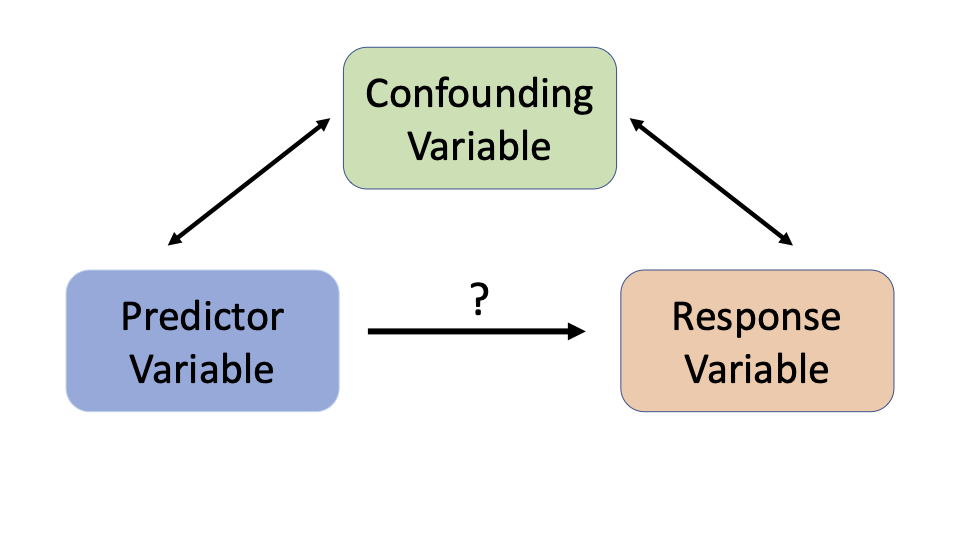
This limitation is a big deal. Without understanding causality, we can make poor decisions. Banning ice cream to stop shark attacks is silly, but businesses make similar, if less dramatic, mistakes all the time based on correlations that don't hold up.
Causal reasoning gives AI a more powerful lens. Instead of just seeing that two things happen together, it tries to determine if changing one will actually cause a change in the other. This allows us to ask "what if?" questions. What if we raise the price of our product? What if we show this ad to a different audience? Causal AI helps us predict the outcomes of our actions and interventions.
Causal AI does not merely predict outcomes; it suggests actionable steps after understanding the root problem.
Real-World Impact
Understanding cause and effect is crucial in many fields. Here are a few ways Causal AI is being applied:
Healthcare: When testing a new drug, researchers need to know if the drug itself is causing patients to get better, or if other factors (like age, diet, or lifestyle) are influencing the results. Causal AI can help isolate the true effect of the treatment.
Business and Marketing: A company wants to know if a new advertising campaign is actually driving sales. Sales might go up after the campaign launches, but was it because of the ads, a holiday, or a competitor's stumble? Causal models can help untangle these factors to measure the campaign's true impact.
Policy Making: Governments can use Causal AI to evaluate the potential effects of new policies. For instance, what would be the real impact of a carbon tax on emissions, versus its impact on the economy? Causal inference helps provide clearer answers to these complex questions.
By focusing on why things happen, Causal AI provides a deeper, more reliable understanding of the world. It allows us to move from simply predicting the future to actively and intelligently shaping it.
Let's check your understanding of these core concepts.
A traditional AI model observes that as ice cream sales increase, so do shark attacks. Based purely on this strong correlation, what is the most likely (but incorrect) conclusion the model might draw?
What is the primary limitation of most traditional machine learning models that Causal AI aims to address?
This shift from correlation to causation is a major step forward for artificial intelligence, making it a more powerful and trustworthy tool for decision-making.