Cattle Rearing Essentials
Introduction to Cattle Rearing
The Basics of Raising Cattle
Cattle rearing is a cornerstone of agriculture, providing two of the world's primary food sources: beef and milk. It's the process of breeding, feeding, and managing cattle for production. Beyond the dinner table, cattle also provide leather and other byproducts, making them a significant contributor to local and global economies.
The journey from a newborn calf to a product on the shelf is a carefully managed process. Farmers who raise cattle are not just animal caretakers; they are business managers, biologists, and stewards of the land. They make daily decisions that affect the health of their animals, the profitability of their farm, and the sustainability of their environment.
Types of Cattle Operations
Most beef cattle operations can be broken down into three specialized stages. Each stage has a different focus, and it's common for a single animal to pass through all three types of farms during its life. Think of it as a production line, where each step builds upon the last.
Cow-Calf
noun
The first stage of beef production, where a permanent herd of cows is kept to produce calves for sale.
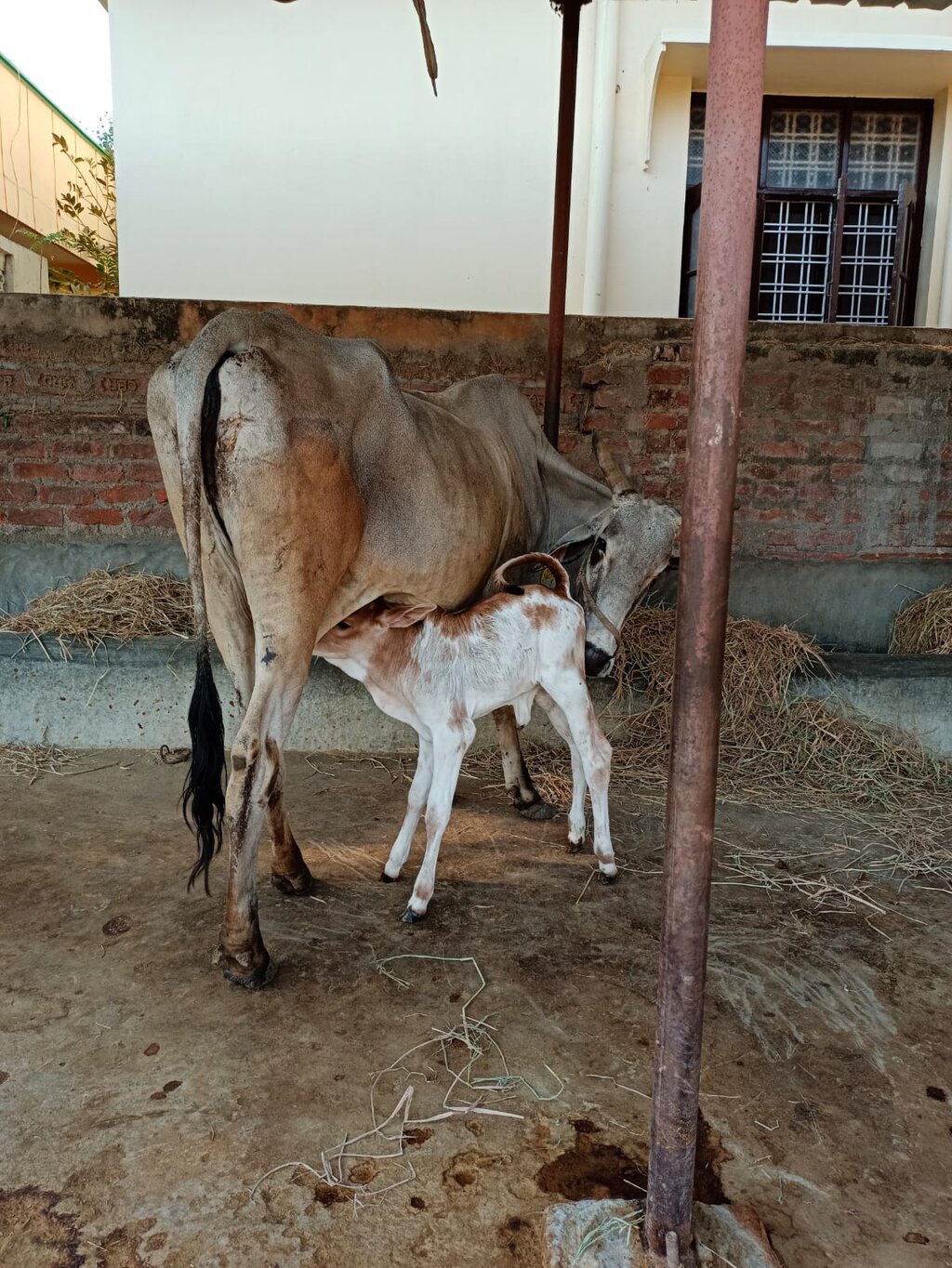
Cow-calf farms are the starting point. These operations maintain a herd of adult female cattle (cows) to produce calves each year. The calves stay with their mothers, typically grazing on pasture, until they are weaned at about 6 to 10 months old. The main product of a cow-calf farm is the weaned calf, which is then sold to the next stage of production.
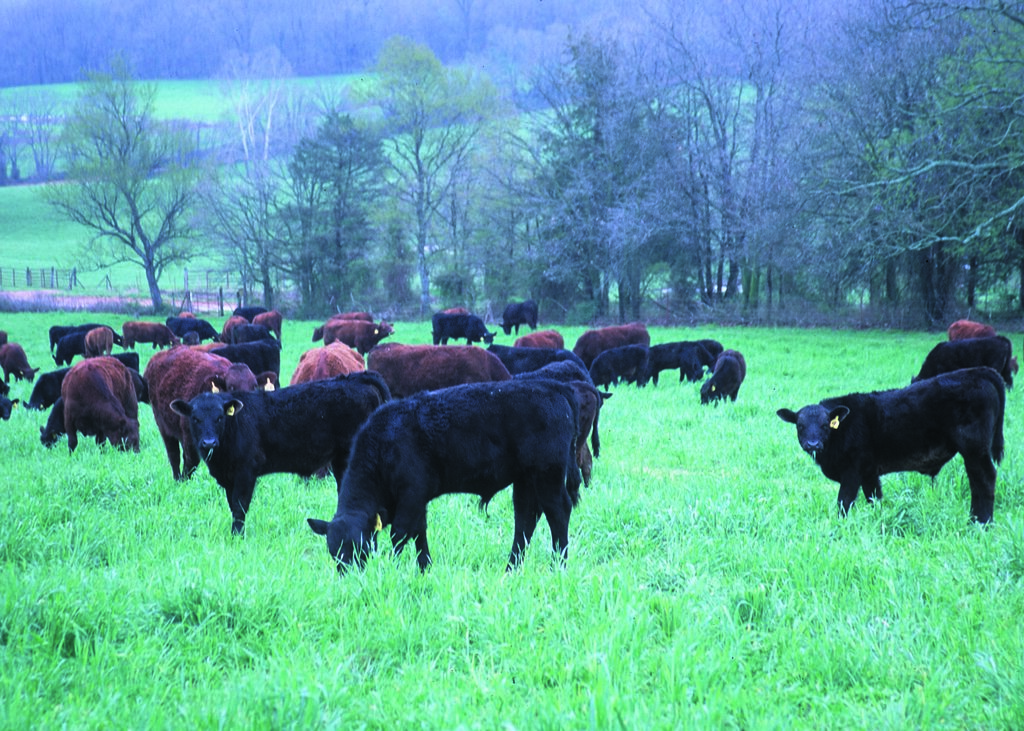
Next are stocker or backgrounding operations. These farms buy the weaned calves from cow-calf producers. The primary goal is to help the young cattle gain weight by grazing on pasture, forage, or other roughage. This is a growth phase where the animal's frame and muscle develop before moving to the final stage. Cattle might spend several months to a year in a stocker operation.
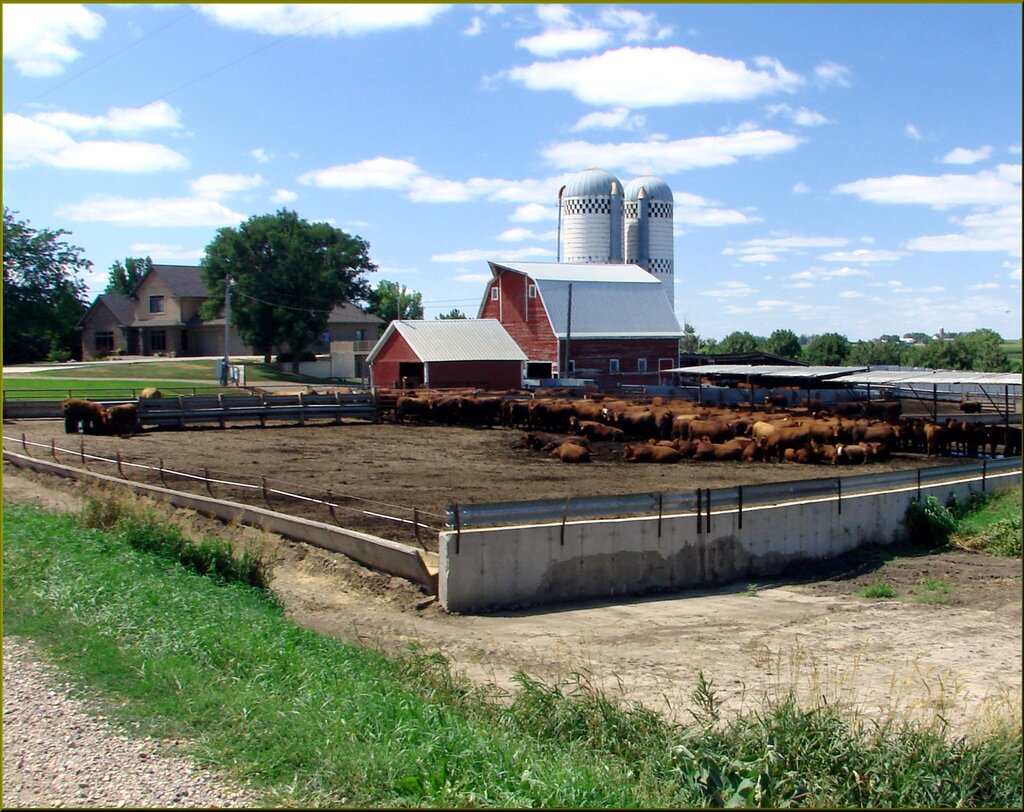
The final stage is the feedlot, also known as a finishing operation. Here, cattle are housed in pens and fed a high-energy diet to help them reach their ideal market weight quickly and efficiently. The focus is on adding weight and ensuring the beef will be tender and flavorful. Most of their time in a feedlot is relatively short, usually around 4 to 6 months.
These three stages work together to form the beef production chain.
| Operation Type | Primary Goal | Main Forage/Feed Source | Product Sold |
|---|---|---|---|
| Cow-Calf | Produce calves | Pasture and forage | Weaned calves |
| Stocker | Grow cattle cheaply | Pasture and roughage | Yearling cattle |
| Feedlot | Finish cattle for market | High-energy grain diet | Market-ready cattle |
Goals and Hurdles
Every cattle farmer aims to run a successful operation, but success is a balancing act. The main objective is profitability, which means raising healthy animals efficiently. This involves managing costs for feed, veterinary care, and labor while keeping an eye on market prices, which can fluctuate dramatically.
Beyond finances, farmers face many challenges. Weather is a constant variable; a drought can ruin pastures and drive up feed costs, while a harsh winter can stress the animals. Disease outbreaks are another major concern that requires careful monitoring and prevention. Finally, modern farmers are increasingly focused on sustainability, working to manage their land in a way that preserves resources for the future.
Effective cattle rearing isn't just about raising animals; it's about managing a complex system of biology, economics, and environmental science.
Cattle Welfare and Ethics
A successful operation depends on healthy, well-cared-for animals. Understanding cattle behavior is fundamental. Cattle are herd animals, which means they are social and feel more secure in groups. Farmers use this knowledge to handle them in low-stress ways, which is not only better for the animal but also safer for the handler and results in a higher-quality product.
Animal welfare is a top priority. This involves providing for the animal's basic needs: consistent access to fresh food and water, appropriate shelter from extreme weather, and prompt medical care when needed. It’s an ethical obligation to treat livestock humanely throughout their lives.
The conversation around ethics in livestock farming is ongoing. It covers everything from how animals are housed and handled to the environmental impact of farming. Responsible farmers are committed to practices that ensure their animals lead healthy lives and are treated with respect.
Let's review the main types of cattle operations.
Now, let's check your understanding of these concepts.
What is the primary function of a feedlot in the beef production chain?
Which type of operation serves as the starting point in the beef production process by producing calves each year?
Understanding these foundational concepts—from the different types of operations to the importance of animal welfare—is the first step in appreciating the complex and vital role of cattle rearing in our world.