Cattle Price Discovery and the Beef Supply Chain
Historical Cattle Marketing
From Trail Drives to Rail Cars
After the Civil War, the United States faced a strange problem. In Texas, millions of longhorn cattle roamed wild, their numbers having exploded during the war years. Meanwhile, in the rapidly growing cities of the North and East, there was a huge demand for beef, but very few cattle. The challenge was connecting the supply with the demand across a vast continent.
The first solution was the cattle drive. Cowboys on horseback would round up herds of longhorns and drive them hundreds of miles north from Texas to railheads in Kansas and Missouri. These journeys were long, dangerous, and have become legendary. Famous routes like the Chisholm Trail and the Great Western Cattle Trail became arteries of commerce, moving beef on the hoof to points where it could be shipped eastward.
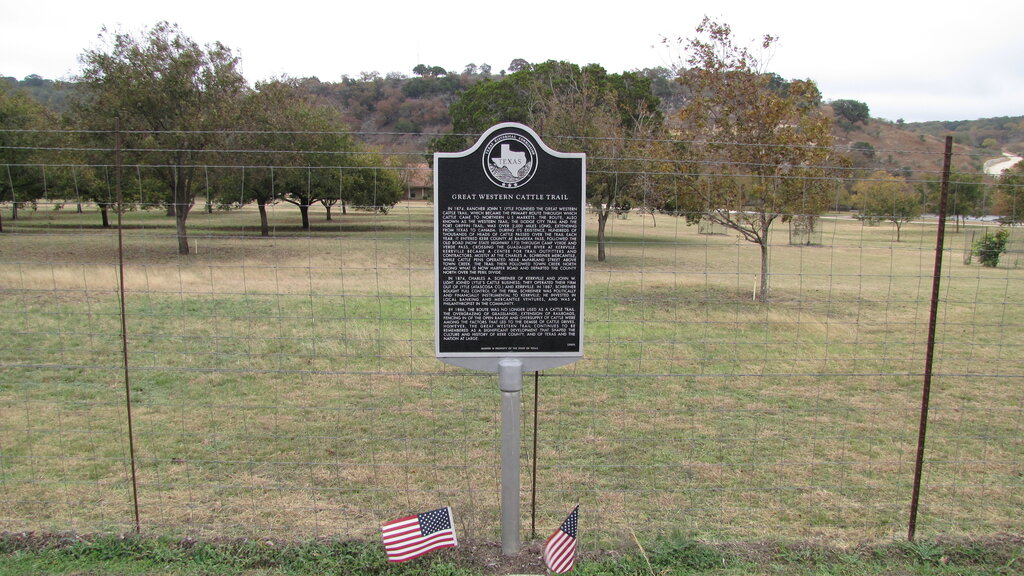
The era of the great cattle drives, however, was relatively short-lived. The real game-changer was the expansion of the railroad. As tracks pushed further west and south into Texas, the need for long, arduous drives diminished. Ranchers could now transport their cattle to market faster and more efficiently than ever before. This technological leap didn't just end the cowboy's long ride; it laid the groundwork for a massive, industrialized meatpacking industry.
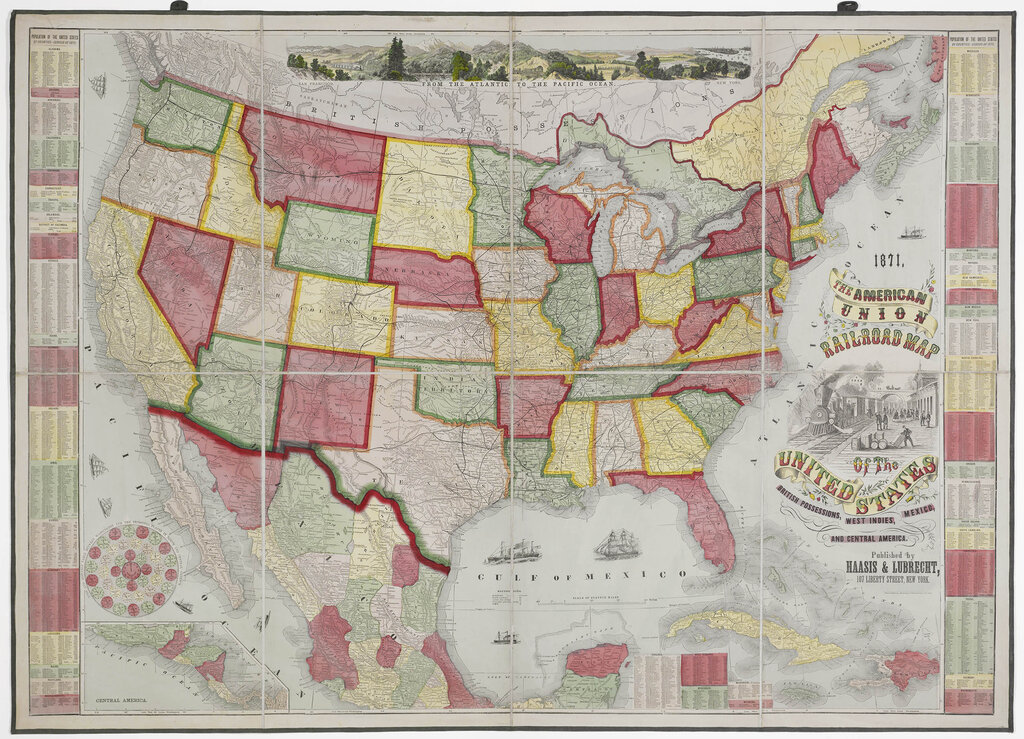
The Rise of the Stockyards
With railroads able to move vast numbers of cattle, new centralized points of sale were needed. This led to the rise of the great American stockyards. These weren't just pens to hold cattle; they were massive, bustling hubs of commerce. Buyers from packing companies, ranchers, and railroad men all converged in these cities-within-cities.
The most famous of these was the Union Stock Yards in Chicago, which opened in 1865. For nearly a century, it was the epicenter of the American meat industry. On a single day, tens of thousands of cattle, hogs, and sheep could be sold and processed there. Its sheer scale was a marvel of the industrial age, complete with its own hotels, saloons, and a bank. Chicago became, as the poet Carl Sandburg called it, the "Hog Butcher for the World."
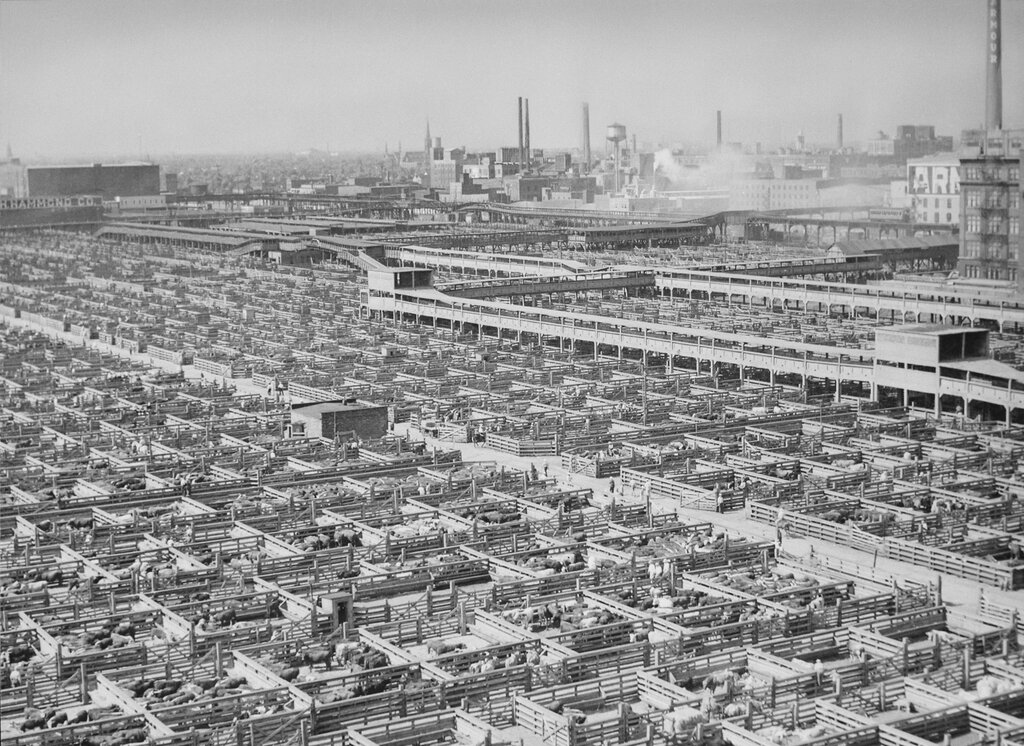
Other cities also became major stockyard centers. Places like Kansas City, Omaha, and Fort Worth developed their own massive stockyards, each serving as a critical link in the beef supply chain. Fort Worth, for instance, became a major transit point for cattle moving from Texas ranches to other parts of the country.
The stockyards centralized the cattle market, connecting thousands of individual ranchers with a handful of powerful meatpacking companies. This concentration of power would shape the industry for decades.
Industrialization's Impact
The combination of railroads and centralized stockyards transformed cattle marketing into a modern industry. Alongside these developments, other technological innovations played a key role. The invention of the refrigerated railroad car (the "reefer") in the late 1870s was particularly important.
Before the reefer car, cattle had to be shipped live to eastern cities for slaughter. This was inefficient and costly. With refrigeration, meatpackers in Chicago and other Midwestern cities could slaughter the animals, process the meat, and ship the dressed beef directly to markets across the country. This led to the rise of huge, vertically integrated meatpacking companies like Swift and Armour, who controlled everything from the stockyards to the refrigerated rail cars to the wholesale butcher shops.
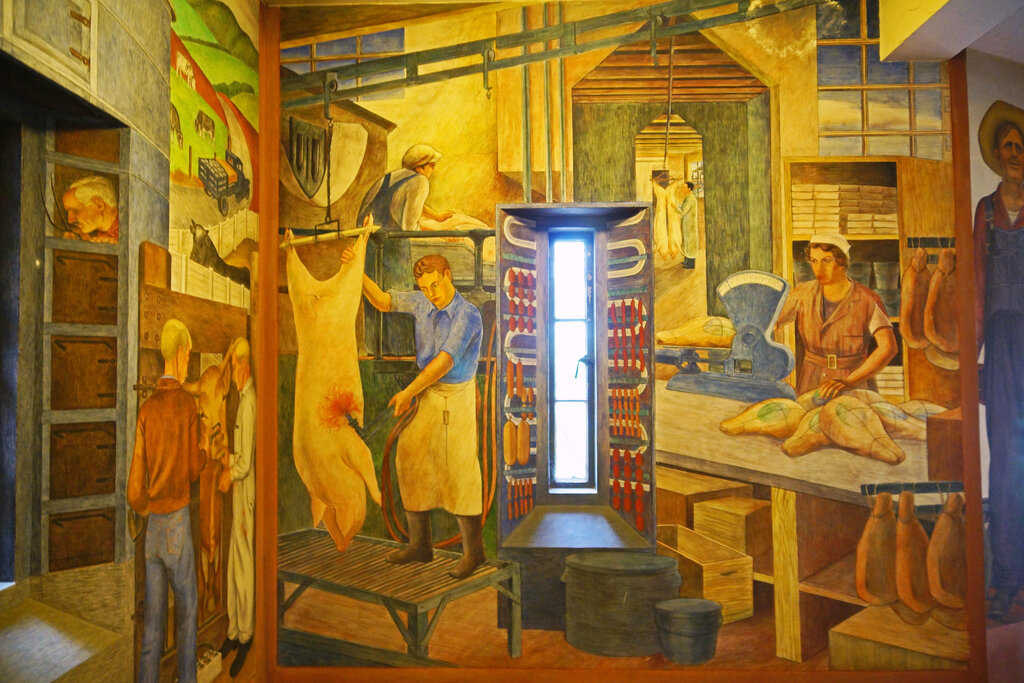
By the mid-20th century, the system was firmly in place. Cattle were raised on ranches, shipped by rail or, increasingly, by truck to central stockyards, sold to large packing companies, and then distributed as processed beef to consumers nationwide. The era of the open-range cattle drive had given way to a complex, industrialized system that fed a growing nation.
Let's check your understanding of this historical shift.
What was the primary challenge in the U.S. cattle market immediately following the Civil War?
Which city became the most famous center for the American meat industry, earning the nickname "Hog Butcher for the World"?
This period of trail drives, railroads, and massive stockyards laid the foundation for the beef industry we know today, creating a national market from what was once a series of local ones.