Catholic Theology of the Body Explained
Introduction to Theology of the Body
A New Vision for the Body
Between 1979 and 1984, Pope John Paul II delivered a series of 129 talks during his Wednesday audiences in Rome. These lectures, collectively known as the Theology of the Body, offered a profound vision of what it means to be human. It wasn't just a response to a single issue, but a comprehensive look at the human person, love, sexuality, and marriage.
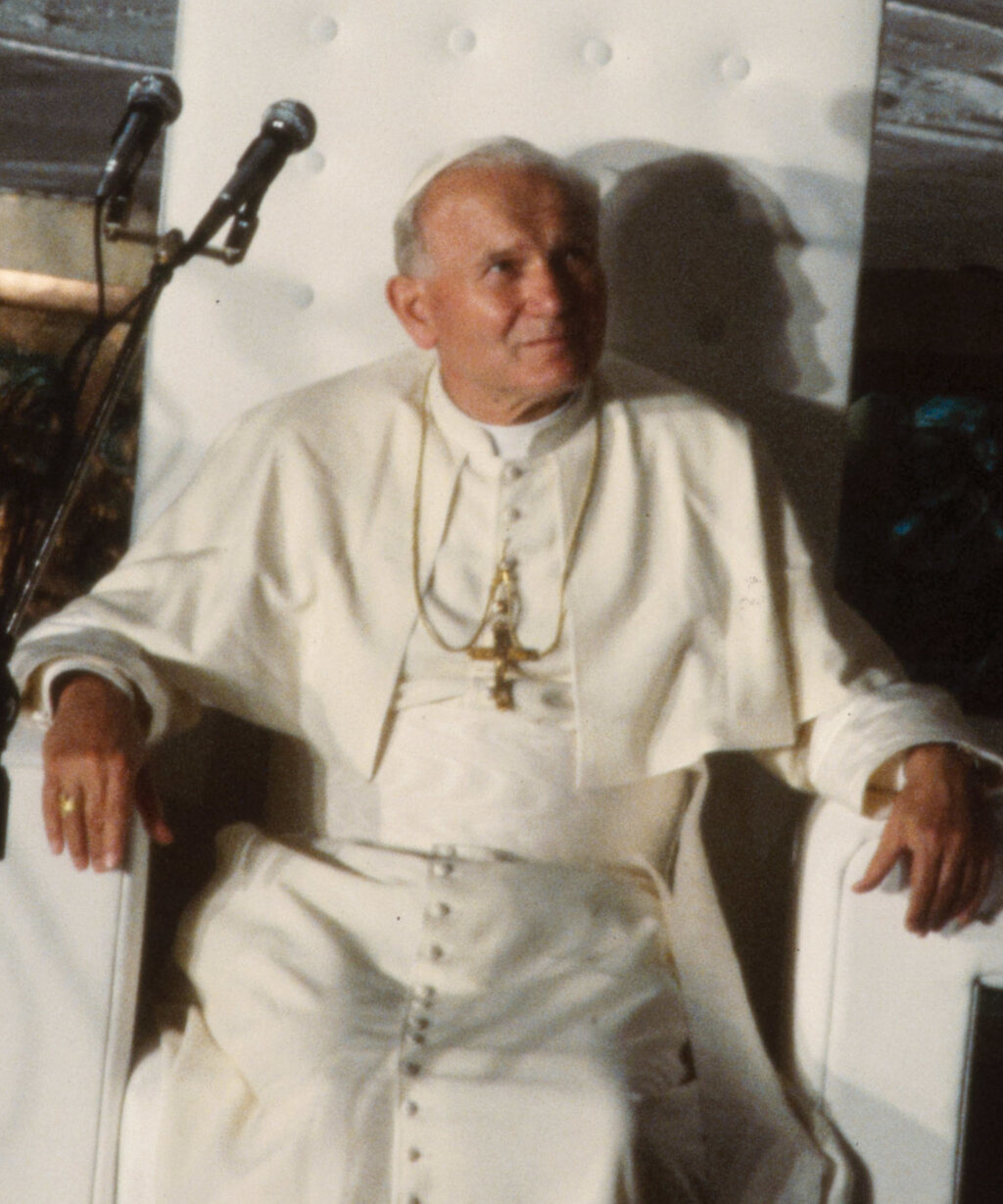
These teachings emerged during a period of significant cultural change, particularly following the sexual revolution of the 1960s. Rather than simply condemning modern trends, John Paul II sought to present a positive, compelling argument for the Catholic Church's teachings on sexuality and human life. He went back to the beginning, asking fundamental questions: What does it mean to be a man or a woman? Why did God create us this way? What is the purpose of our bodies?
An Adequate Anthropology
At the heart of the Theology of the Body is the Pope's desire to establish what he called an "adequate anthropology." This is a full and complete understanding of the human person, created in the image of God. He argued that to understand ourselves, we must look at the whole picture: body, soul, and spirit.
anthropology
noun
The study of human beings and their ancestors through time in relation to physical character, environmental and social relations, and culture.
In this view, the body is not just a biological shell for the soul. Instead, the body reveals profound truths about who we are. It has a "language" of its own. Through our bodies, we can express love, give of ourselves, and reflect the very nature of God, who is a communion of love in the Trinity. This concept is often called the "spousal meaning of the body"—the body's power to express love precisely in its capacity of being a gift to another.
The human body includes right from the beginning... the capacity of expressing love: that love precisely in which the person becomes a gift and—by means of this gift—fulfills the very meaning of his being and existence.
A Journey in Three Parts
John Paul II structured his teachings by looking at the human person at three key points in salvation history. He wanted to understand who we were in the beginning, who we are now, and who we will be in the end.
| Theme | Focus | Key Question |
|---|---|---|
| Original Man | Before the Fall (Genesis) | Who were we meant to be? |
| Historical Man | After the Fall, redeemed by Christ | Who are we now in our earthly lives? |
| Eschatological Man | The future Resurrection | Who are we destined to be in heaven? |
First, he examined Original Man, exploring the state of Adam and Eve before sin. He reflected on their experiences of original solitude, original unity, and original nakedness, where the body was a pure expression of the person without shame.
Next, he turned to Historical Man, the state we find ourselves in now. This is humanity after the fall but also after Christ's redemption. We live in a world marked by the tension between sin, which distorts our vision of the body, and grace, which helps us to live out the truth of our creation.
Finally, he looked ahead to Eschatological Man. This part considers our ultimate destiny in the resurrection. He explored what life and the body will be like in heaven, where we will be united with God in the "marriage of the Lamb."
Together, these three parts create a complete arc, providing a foundation for understanding Christian morality not as a list of rules, but as a response to the great dignity of the human person.
Let's review these foundational concepts.
What is the Theology of the Body?
According to Pope John Paul II's teaching, the concept of "Original Man" refers to which state of humanity?