Catalan Language Basics A1
Catalan Alphabet and Pronunciation
The Catalan Alphabet
The Catalan alphabet is based on the Latin script, so it will look familiar if you know English or other Romance languages like Spanish or French. It has 26 standard letters, but includes a few special characters and combinations that create unique sounds.
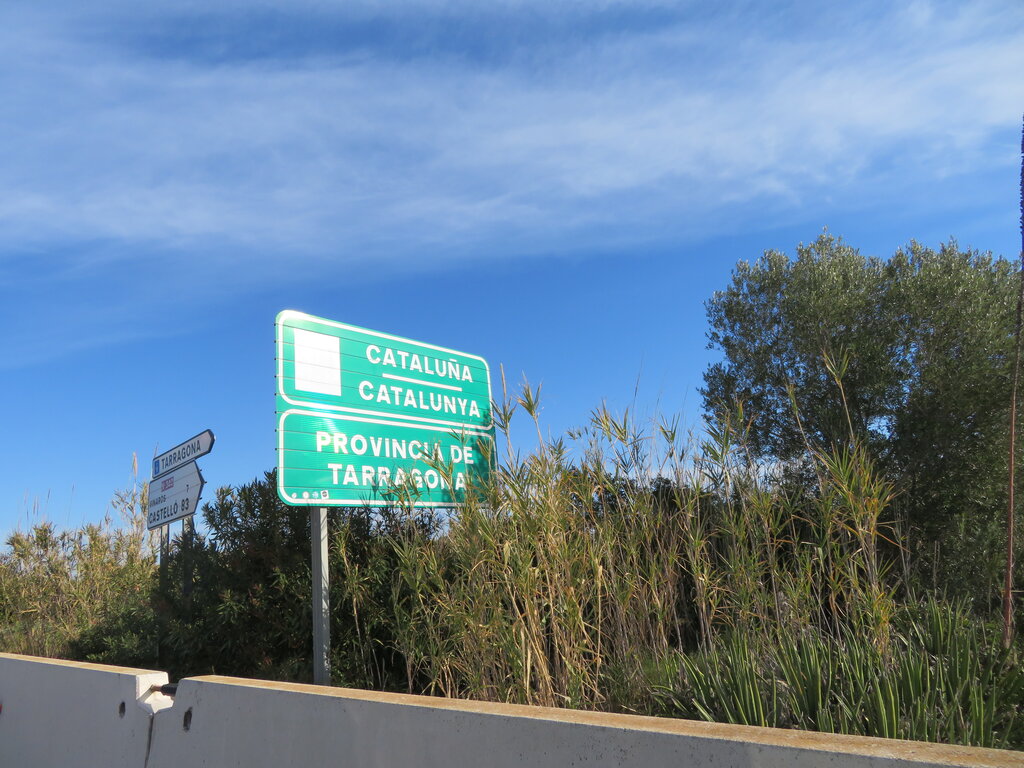
One of the most distinctive characters is the ce trencada (broken C), written as Ç. You'll also see several common letter pairs, called digraphs, that function as single sounds. These include ll, ny, gu, and qu. We'll explore how to pronounce these a little later.
Pronouncing Vowels
Catalan has five written vowels (a, e, i, o, u), but they can represent seven different sounds. The vowels a, i, and u are straightforward and consistent. A sounds like the 'a' in "father." I sounds like the 'ee' in "feet." U sounds like the 'oo' in "boot."
The vowels e and o are a bit trickier. Each one has two distinct pronunciations: an "open" sound and a "closed" sound. Think of the difference between the 'e' in "bed" (open) and the 'a' in "gate" (closed). Or the 'o' in "cot" (open) and the 'o' in "boat" (closed).
Don't worry about memorizing when to use each sound right away. The context of a word usually makes it clear, and you'll get a feel for it with practice.
Accent Marks
Like many languages, Catalan uses accent marks on vowels. These marks do two things: they show which syllable to stress in a word, and they tell you whether the e or o is open or closed.
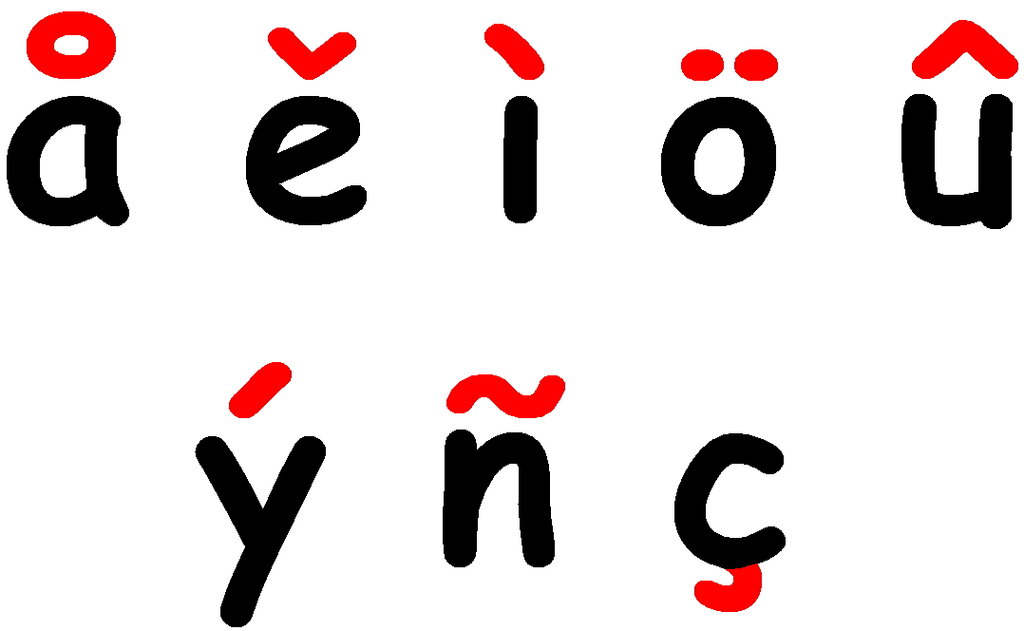
There are two types of accent marks:
- **Grave accent (
**: This can appear ona,e, ando. When you seeèorò`, it signals an open vowel sound. - Acute accent (
´): This can appear on all five vowels. When you seeéoró, it signals a closed vowel sound.
| Vowel | Pronunciation | Example Word | Meaning |
|---|---|---|---|
| a, à | like 'a' in "father" | casa | house |
| é | like 'a' in "gate" | més | more |
| è | like 'e' in "bed" | cafè | coffee |
| i, í | like 'ee' in "feet" | llibre | book |
| ó | like 'o' in "boat" | aixó | this |
| ò | like 'o' in "cot" | però | but |
| u, ú | like 'oo' in "boot" | lluna | moon |
Notice that the unaccented e and o can be either open or closed, depending on the word. The accents just remove the ambiguity.
Consonants and Digraphs
Most Catalan consonants sound similar to their English counterparts, but a few have specific rules. Certain letter combinations, or digraphs, also have their own unique pronunciation.
Here are the key ones to know:
| Letter(s) | Pronunciation Rule | Example |
|---|---|---|
| c | Before 'a', 'o', 'u', it's a hard 'k' sound. Before 'e', 'i', it's a soft 's' sound. | casa (k-), cel (s-) |
| ç | Always sounds like 's'. | plaça |
| g | Before 'a', 'o', 'u', it's a hard 'g' sound. Before 'e', 'i', it's like the 's' in "pleasure". | gat (hard g), gent (soft g) |
| j | Like the 's' in "pleasure". | jove |
| ll | A distinct sound made by pressing your tongue against the roof of your mouth. It sounds like "l-l". | calle |
| l·l | This is a "geminate L," pronounced as two separate 'l' sounds. | col·legi |
| ny | Like the 'ny' in "canyon" or the Spanish 'ñ'. | Catanya |
| qu | Before 'e', 'i', it sounds like 'k'. | que |
| x | Often sounds like 'sh', especially at the beginning of a word. | xocolata |
Finally, Catalan has diphthongs, which are two vowels that blend together to make a single sound within a syllable. Common examples are au (like "ow" in "cow"), eu, and iu. When you see two vowels next to each other, try to glide from the first to the second smoothly.
Ready to test what you've learned?
What is the Catalan name for the special character 'Ç'?
While Catalan has five written vowels (a, e, i, o, u), how many distinct vowel sounds do they represent?
Getting comfortable with these sounds is the first step toward speaking and understanding Catalan. Practice them out loud whenever you can.