Catalan in Mallorca
Introduction to Mallorcan Catalan
The Catalan of Mallorca
Off the eastern coast of Spain lie the Balearic Islands, a sunny archipelago in the Mediterranean. The largest of these islands is Mallorca, a place known not just for its stunning beaches but also for its distinct dialect of the Catalan language: Mallorquí.
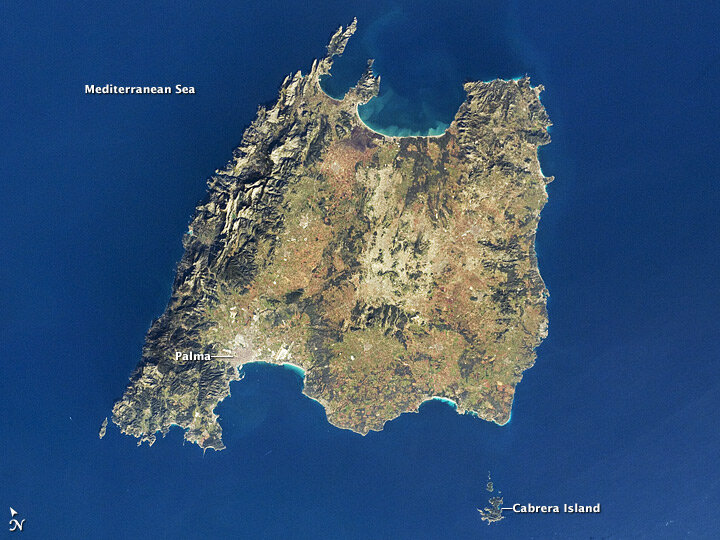
Mallorquí is not a separate language from Catalan but one of its most prominent dialects. Its story begins in the 13th century with a significant historical event. In 1229, King James I of Aragon conquered Mallorca, ending centuries of Moorish rule. This event, known as the Reconquista in this region, set the stage for a major cultural and linguistic shift.
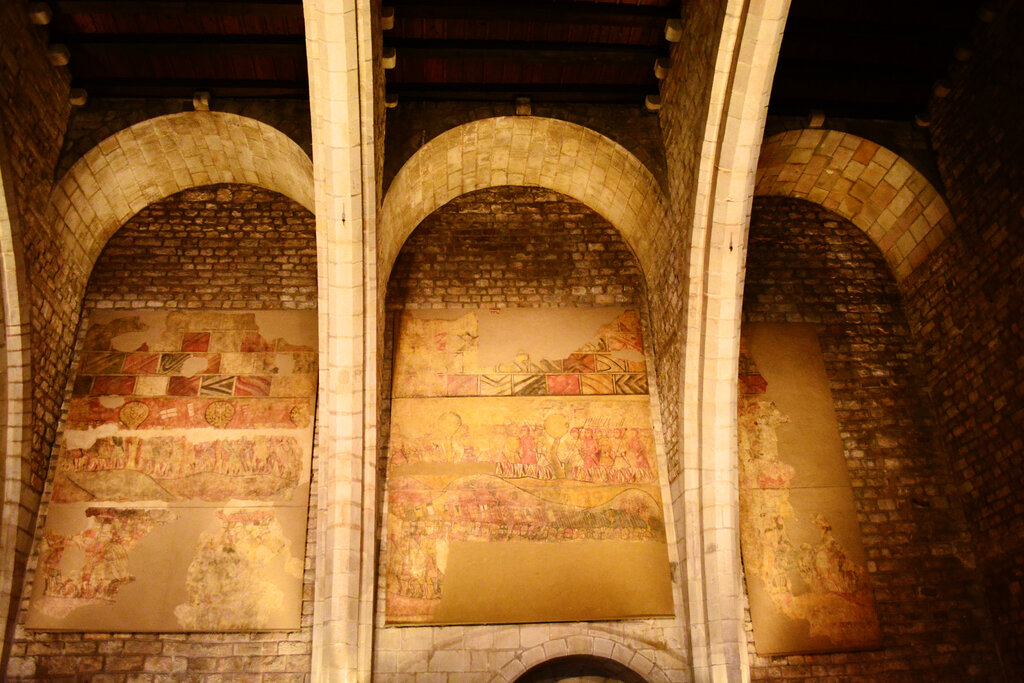
Following the conquest, the island was repopulated, primarily by settlers from Catalonia. These newcomers brought their language, Old Catalan, with them. This transplantation of language is the root of modern Mallorquí. The Catalan spoken on the island today is a direct descendant of the language spoken by those medieval settlers.
An Island's Influence
For centuries, the sea that connected Mallorca to the mainland also isolated it. This relative isolation had a profound effect on the language. While Catalan on the mainland continued to evolve, Mallorquí developed on its own trajectory. As a result, it preserved some features of Old Catalan that have since disappeared from other dialects. Think of it like a linguistic time capsule, holding onto echoes of the past.
This preservation of older forms is a key characteristic of many island dialects around the world, not just Mallorquí.
At the same time, Mallorquí also developed its own unique innovations and vocabulary, influenced by local life, maritime culture, and contact with other Mediterranean languages. This blend of conserved history and local flavor is what makes the dialect so distinctive.
A Branch on the Family Tree
So, where does Mallorquí fit into the bigger picture? Catalan is a Romance language, meaning it evolved from the Vulgar Latin spoken by the Romans. It's a sister language to Spanish, French, Italian, and Portuguese. Linguists divide Catalan into two main dialectal blocks: Western and Eastern. Mallorquí belongs to the Eastern block.
Within the Eastern block, Mallorquí is part of a subgroup called Balearic Catalan. This group includes the dialects spoken on the neighboring islands: Menorquí in Menorca and Eivissenc in Ibiza and Formentera. While they share many features, each island's dialect has its own distinct character. The term català de les Illes (Catalan of the Islands) is often used to refer to the group as a whole.
What historical event led to the establishment of the Catalan language in Mallorca?
Mallorquí is considered a 'linguistic time capsule' because it preserved features of Old Catalan that have disappeared from mainland dialects.
Understanding Mallorquí's origins gives us a window into the history of Mallorca itself, showing how language is shaped by migration, geography, and time.