Carpet Beetle Prevention
Carpet Beetle Identification
Meet the Adult Carpet Beetle
Adult carpet beetles are small, oval-shaped insects, usually no bigger than a pinhead. They range in size from about 1/16 to 1/8 of an inch. Their appearance can vary quite a bit depending on the species. The most common type, the varied carpet beetle, has a mottled pattern of white, brown, and black scales on its back, giving it a somewhat speckled look.
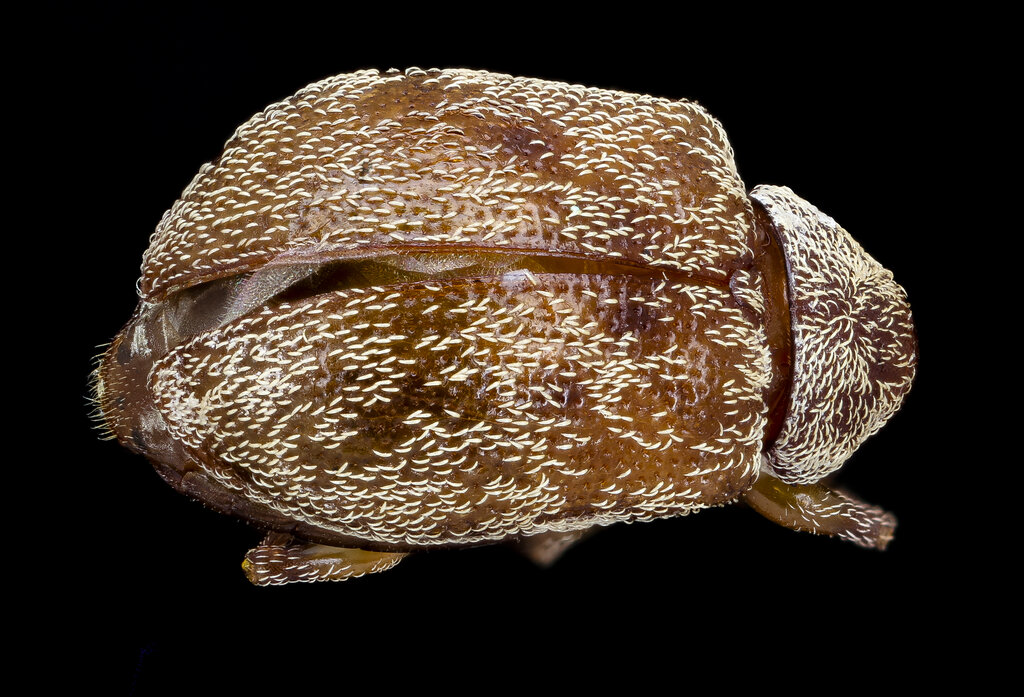
Other species, like the black carpet beetle, are solid black and more elongated. Despite their name, you're more likely to find adult carpet beetles near windows or lights. They are attracted to sunlight and feed on pollen and nectar. The adults themselves don't cause damage inside your home; their primary goal is to reproduce.
The Real Culprit: Larvae
The real damage is done by the carpet beetle in its larval stage. Carpet beetle larvae are the ones that feed on natural fibers found throughout your home. They are about 1/4 inch long and often described as carrot-shaped or worm-like, wider at one end and tapering at the other.
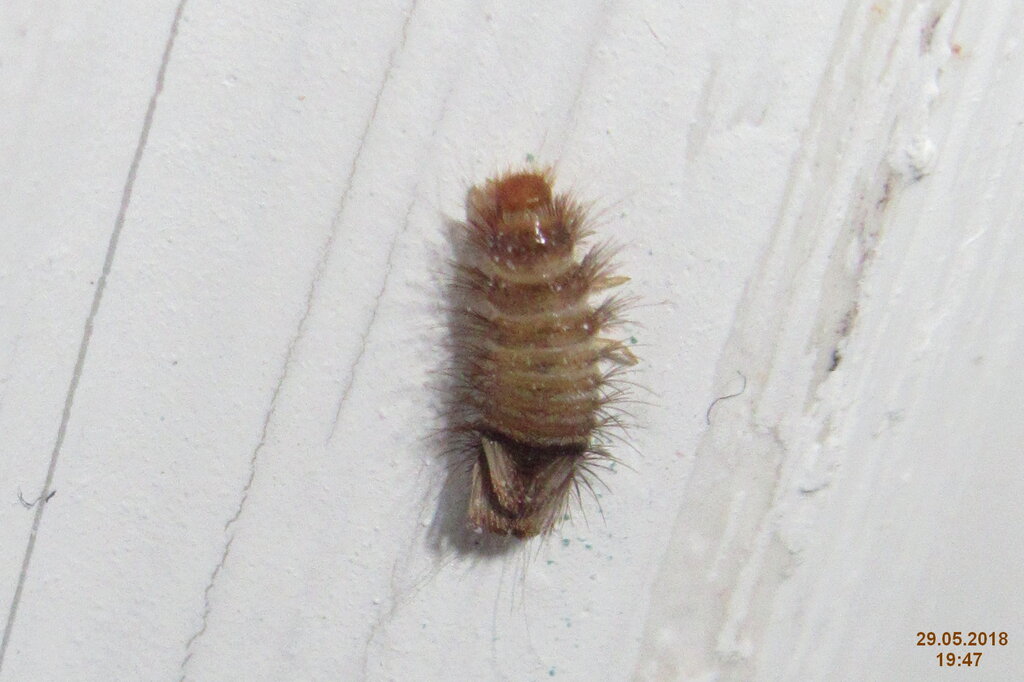
These larvae are covered in tufts of bristly hairs, which can be irritating to the skin if handled. They are light-avoidant and prefer to live and feed in dark, undisturbed areas. This includes closets, under furniture, along the edges of carpets, and inside stored clothing. Their diet consists of keratin, a protein found in animal-based materials like wool, silk, fur, feathers, and leather.
The Four Life Stages
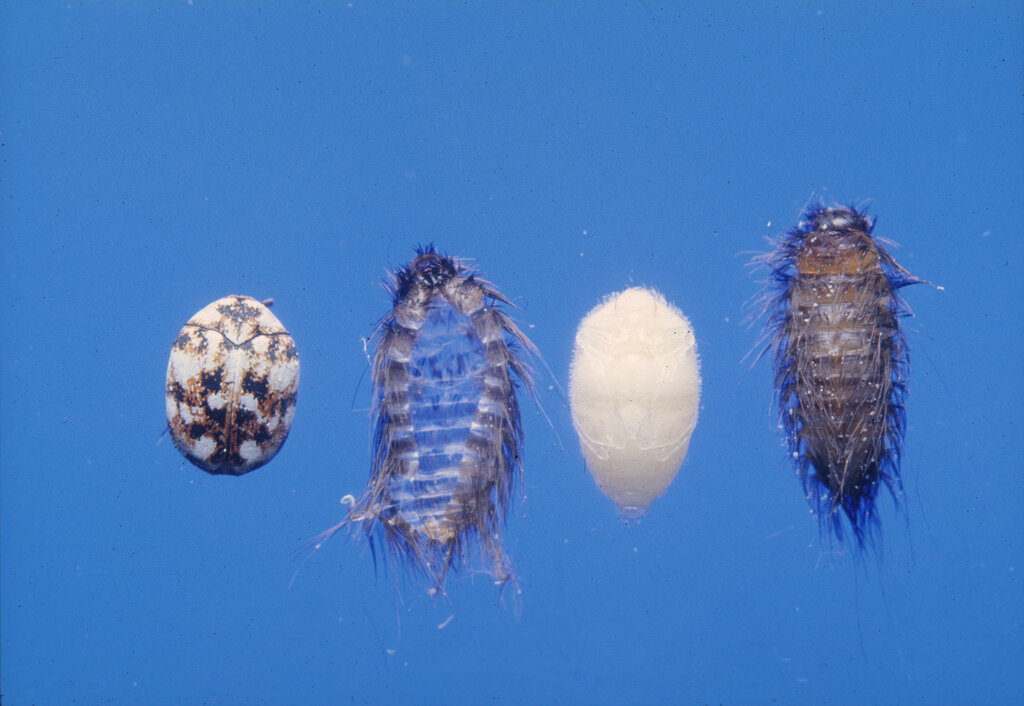
Like many insects, carpet beetles go through complete metamorphosis, which involves four distinct stages. Understanding this cycle helps in identifying an infestation at any point.
-
Egg: Adult females lay 50-100 tiny, white eggs near a food source, such as a woolen rug or a bag of pet food. These eggs are difficult to see with the naked eye and hatch within a couple of weeks.
-
Larva: This is the longest and most destructive stage. Larvae can live for several months to over a year, depending on the environment and food availability. They molt several times as they grow, leaving behind their shed skins.
-
Pupa: Once the larva is mature, it pupates. It transforms into an adult within a protective casing. This stage typically lasts for a couple of weeks.
-
Adult: The adult beetle emerges from the pupa. It lives for only a few weeks, with the sole purpose of mating and laying eggs to start the cycle anew.
Signs of an Infestation
Because carpet beetles are small and their larvae hide in dark places, you're more likely to see the evidence they leave behind than the pests themselves. Here are the key signs to look for:
- Damaged fabrics: Look for small, irregular holes chewed in items made of wool, silk, felt, or fur. The damage is often concentrated in one area, unlike the scattered holes left by moths.
- Shed skins: As larvae grow, they shed their skins. These empty, light-brown, bristly casings are often found in areas where larvae are feeding, such as drawers, closets, and under furniture. Finding these is a clear indicator of an active infestation.
- Fecal pellets: Larvae leave behind tiny fecal pellets, similar in size to a grain of salt and typically the color of the fabric they have been eating.
- Live insects: You might spot adult beetles near windowsills or light fixtures, especially in the spring. Finding larvae requires a more thorough search in hidden spots.
Discovering the papery, shed skins of larvae is often the first and most certain sign that carpet beetles are present in your home.
Now that you can identify carpet beetles and the signs they leave behind, let's review the key terms.
Ready to test your knowledge?
The primary damage to household items like wool rugs and silk clothing is caused by which stage of the carpet beetle life cycle?
Which of the following is the most definitive sign of an active carpet beetle infestation?
Recognizing carpet beetles and their larvae is the first critical step. By knowing what to look for, you can catch an infestation early before significant damage occurs.