Carpentry and Sewing Essentials
Introduction to Carpentry Tools
The Carpenter's Toolkit
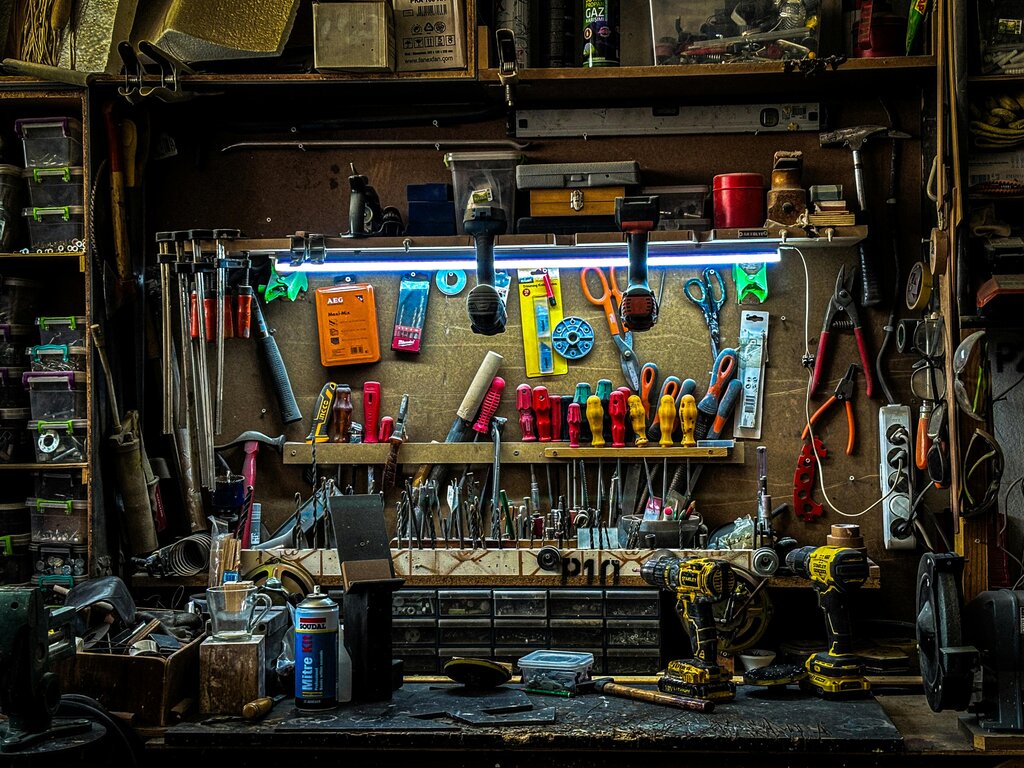
Every craft relies on a specific set of tools, and carpentry is a perfect example. A skilled woodworker doesn't just own tools; they understand them. Knowing how each tool works, how to hold it, and how to care for it is the foundation of building anything well. We'll start with the essentials that you'll find in any workshop.
Essential Hand Tools
Before power tools became common, everything was built by hand. The tools from that era are still fundamental to woodworking today. They offer control and a connection to the material that machines can't always replicate.
Let’s start with three hand tools you can't work without: the hammer, the saw, and the chisel.
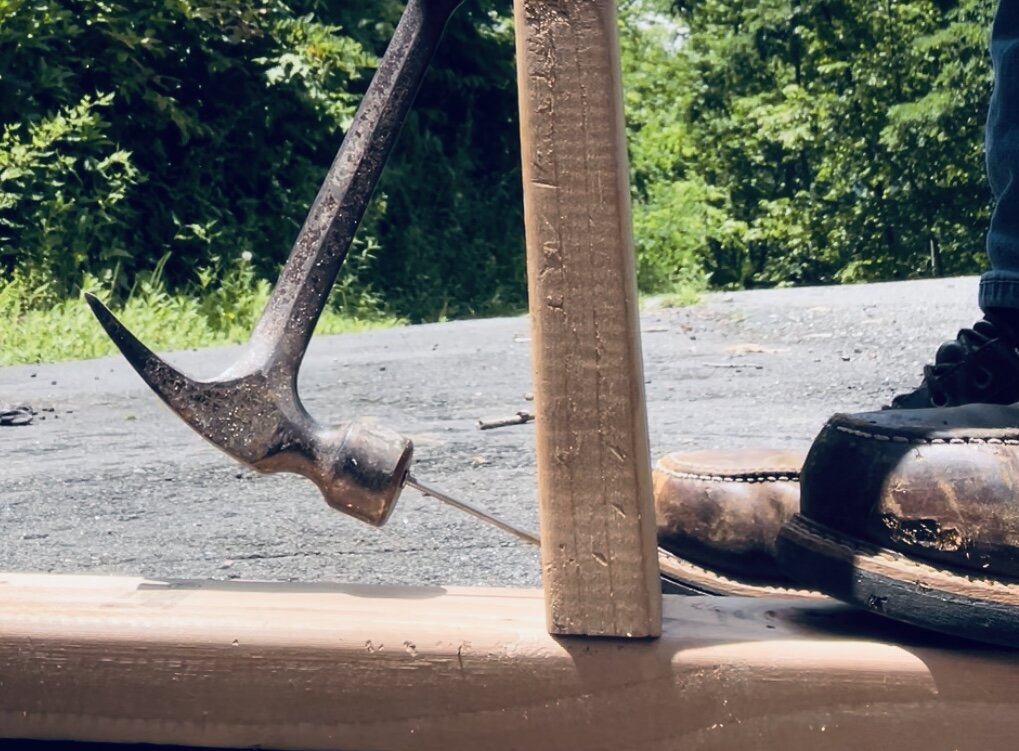
The most recognizable tool is the claw hammer. It has two jobs. The flat face drives nails into wood, while the V-shaped claw on the other side provides leverage to pull them out. When you swing a hammer, aim for a firm, square strike on the nail head. Let the weight of the hammer do most of the work.
Next up is the handsaw. Saws are designed for cutting, but not all saws cut the same way. The two basic types are the rip saw and the crosscut saw.
A rip saw cuts with the grain of the wood, like splitting a log. Its teeth are shaped like tiny chisels to scoop out wood fibers. A crosscut saw cuts across the grain. Its teeth are angled like small knives to sever the wood fibers cleanly. Using the right saw for the job makes cutting easier and produces a cleaner result.
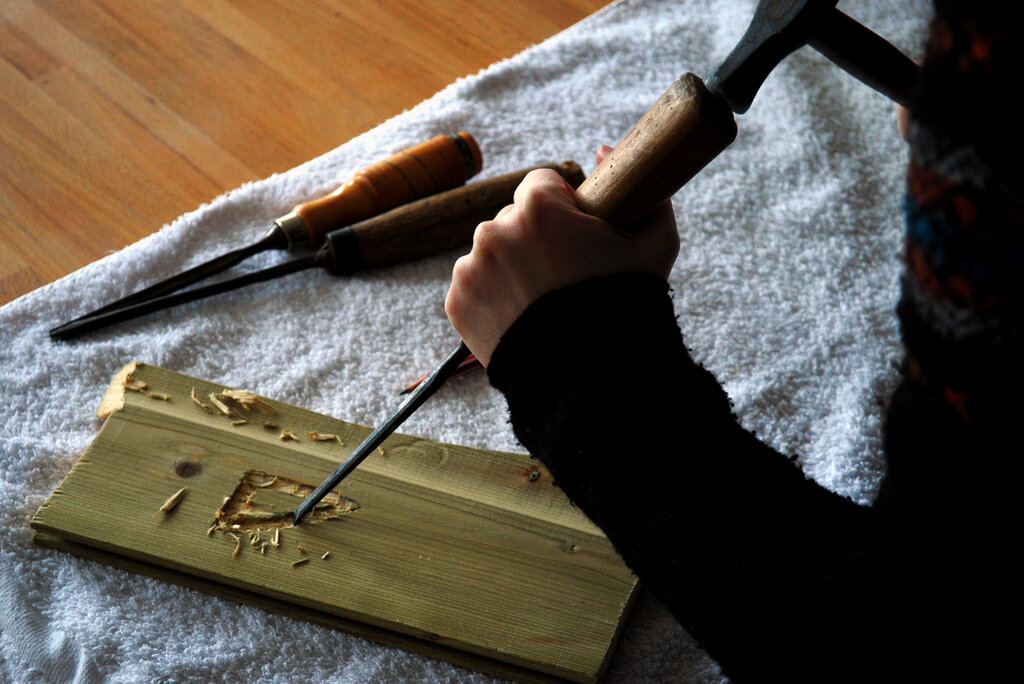
Finally, the chisel is used for carving and shaping wood, often to create joints. A chisel must be extremely sharp to work properly. You typically tap the end of its handle with a wooden mallet, not a metal hammer, to avoid damaging the tool. Chisels give you fine control for detailed work, like cleaning out the corners of a recess.
Measuring and Marking
Woodworking demands precision. An error of even a millimeter can throw off an entire project. That's why measuring and marking tools are just as important as cutting tools. The old saying is, "measure twice, cut once."
Your apprenticeship involves a deep dive into the tools used: you'll learn the names, uses, and histories of traditional implements like kanna (planes) and nomi (chisels), and develop a disciplined approach to tool care — especially sharpening, which is essential.
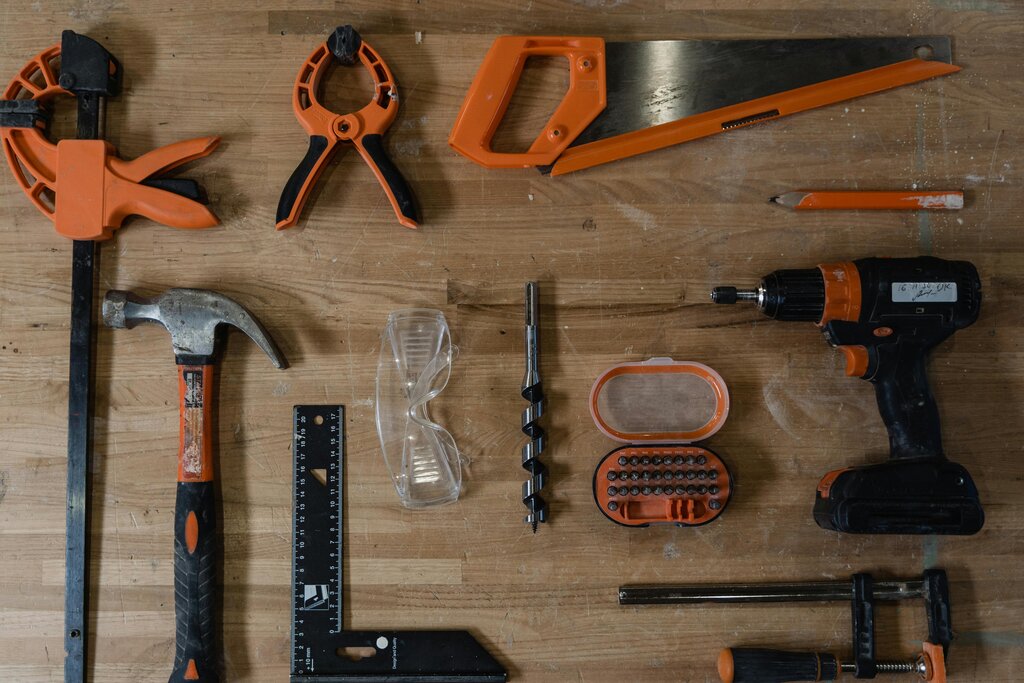
A tape measure is essential for measuring length. Look for one with a sturdy, lockable tape and clear markings. A hook at the end of the tape is designed to grab the edge of a board for easy one-person measuring.
To draw straight, square lines, you need a square. A combination square is a versatile choice. It helps you draw lines at perfect 90-degree and 45-degree angles to an edge. This ensures your cuts are straight and your joints fit together perfectly.
Power Tools
Power tools do the same jobs as hand tools, but they do them much faster and with less physical effort. They are fantastic for bigger projects, but they also require more attention to safety.
Torque
noun
A twisting force that tends to cause rotation. In a drill, higher torque means more power to drive screws into dense material.
The cordless drill is one of the most versatile power tools. Its main jobs are drilling holes and driving screws. Drills come with adjustable settings for speed and torque, which lets you adapt to different materials and screw sizes.
The circular saw is the power tool equivalent of a handsaw. It's a handheld saw with a spinning circular blade that can make fast, straight cuts in lumber and sheet goods. It’s excellent for quickly breaking down large pieces of wood into manageable sizes. The blade can be tilted to make beveled cuts at different angles.
Safety and Maintenance
Your tools are an investment, and taking care of them is crucial. It's also the key to working safely.
Keep your tools clean. Wipe down metal surfaces to prevent rust, and clear sawdust from motors to prevent overheating. Most importantly, keep your cutting edges sharp. A dull saw or chisel is dangerous because it requires more force to use, increasing the chance it will slip.
When using any tool, but especially power tools, always wear safety glasses. Pay attention to where your hands are, and never disable safety features like blade guards. A safe workshop is an efficient workshop.
Well-maintained tools are safer, easier to use, and produce better results.
What are the two primary functions of a claw hammer?
When would a woodworker choose a rip saw over a crosscut saw?
With these basic tools and a focus on safety, you're ready to start building. Understanding what each tool does is the first step toward mastering the craft of carpentry.